
Why Puppy Biting Is So Common: What It Means and How Pet Parents Should Respond

If you’ve recently welcomed a puppy home, chances are you’ve already experienced those sharp little teeth in action. Puppy biting is one of the most common concerns among new pet parents, but it’s also one of the most misunderstood behaviours. From teething discomfort to curiosity and excitement, there are several natural reasons behind this phase. Understanding why puppies bite so much - and how to respond correctly - can make this stage easier for both you and your furry companion.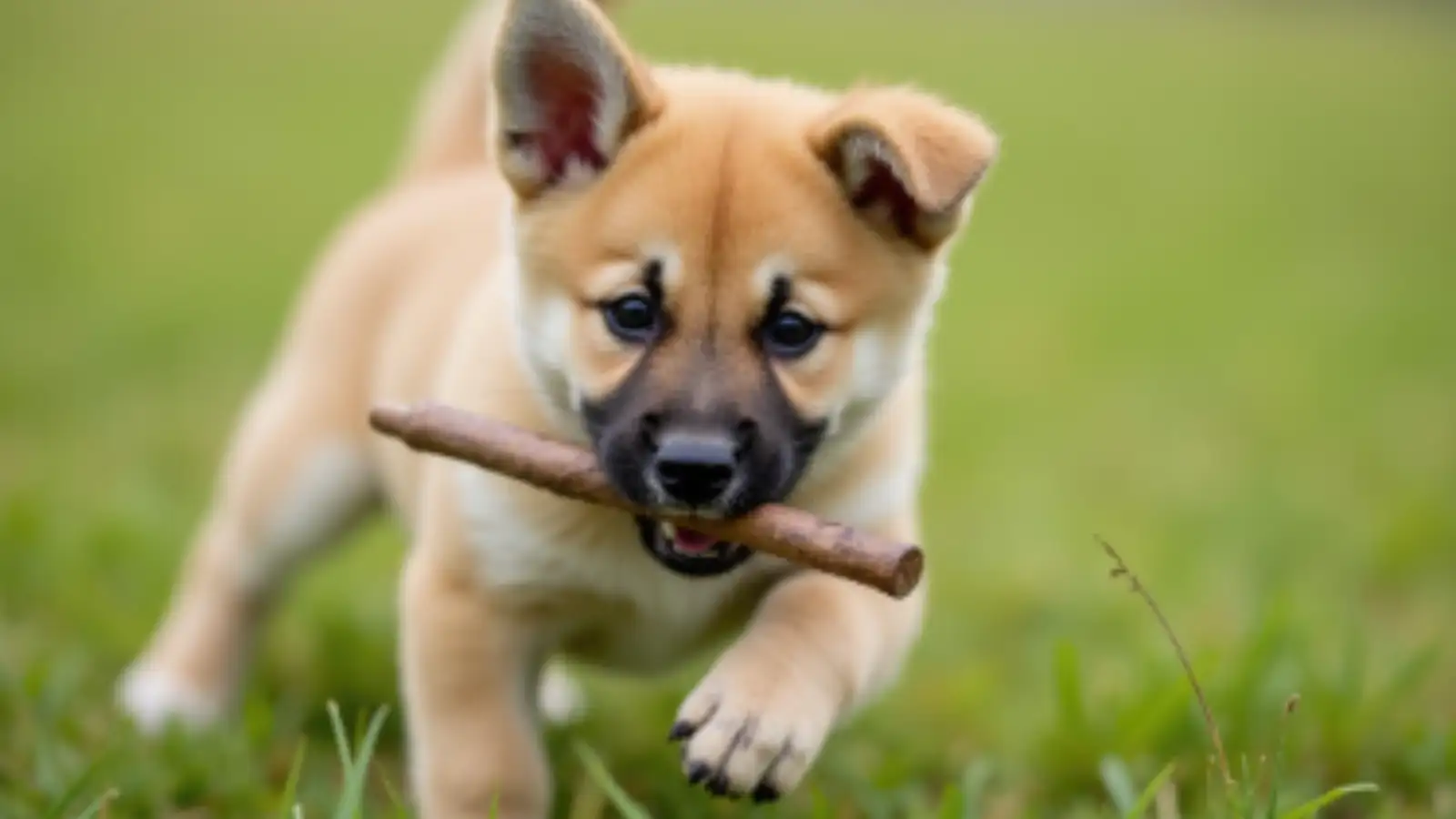
Key reasons puppies chew and bite include:
This behaviour is normal and plays an important role in healthy development.
While it may feel overwhelming, this phase is temporary and completely natural.
In most cases, puppy biting is not aggression - it’s communication and learning in progress.
1. Meet Your Puppy’s Basic Needs
A hungry, overtired, or bored puppy is far more likely to bite. Ensure your pup has:
2. Stop Interaction Immediately
If your puppy bites:
This teaches your puppy that biting makes fun and attention disappear.
3. Redirect to Chew Toys
Always keep appropriate chew toys within reach. Redirecting puppy biting to toys helps satisfy the urge to chew while protecting your hands.
4. Use the “Ouch” Method
If a nip happens:
Over time, your puppy learns that gentle play continues, but biting ends the fun.
This method also encourages self-control and helps puppies develop healthier ways to communicate.
Early intervention can prevent long-term behavioural issues.
Key Takeaways for Pet Parents
Raising a puppy comes with challenges, but understanding behaviours like puppy biting helps strengthen the bond you share. With patience, structure, and positive guidance, this phase will pass - leaving you with a well-mannered and confident dog.
Celebrate life with your pets, explore health and nutrition insights, decode behaviour patterns, and master training essentials with Times Pets - your trusted companion in every tail-wagging journey.
Why Do Puppies Bite and Chew Everything?
Puppies experience the world through their mouths. Much like human babies, chewing and puppy biting help them explore textures, understand boundaries, and learn how their teeth work.Key reasons puppies chew and bite include:
- Exploration: Puppies use their mouths to investigate new objects, people, and environments.
- Teething relief: Chewing helps soothe sore gums as adult teeth begin to emerge.
- Learning bite control: Through gentle biting, puppies learn how much pressure is acceptable during play.
- Attention-seeking behaviour: Biting can be a puppy’s way of saying, “Play with me!”
This behaviour is normal and plays an important role in healthy development.
When Does Puppy Biting Usually Start?
The most intense puppy biting phase typically occurs between four and six months of age. During this time, puppies begin losing their baby teeth and developing their permanent set. The pressure in their gums creates a strong urge to gnaw on almost anything within reach - furniture, shoes, hands, or clothing.While it may feel overwhelming, this phase is temporary and completely natural.
What Does Puppy Biting Actually Mean?
Not all bites are the same. Understanding the intention behind the behaviour can help you respond effectively.- Gentle nibbling: Often linked to playfulness or excitement
- Frequent mouthing: A sign of curiosity or boredom
- Hard biting: May indicate overstimulation, fatigue, or frustration
In most cases, puppy biting is not aggression - it’s communication and learning in progress.
How Should You Handle Puppy Biting at Home?
Managing puppy biting requires consistency, patience, and positive reinforcement rather than punishment.1. Meet Your Puppy’s Basic Needs
A hungry, overtired, or bored puppy is far more likely to bite. Ensure your pup has:
- Regular meals (some puppies may need three meals a day)
- Scheduled naps
- Plenty of physical and mental stimulation
2. Stop Interaction Immediately
If your puppy bites:
- Freeze and cross your arms
- Avoid pushing them away, as this can feel like play
- Calmly walk away to end the interaction
This teaches your puppy that biting makes fun and attention disappear.
3. Redirect to Chew Toys
Always keep appropriate chew toys within reach. Redirecting puppy biting to toys helps satisfy the urge to chew while protecting your hands.
4. Use the “Ouch” Method
If a nip happens:
- Say “OUCH” in a sharp but calm tone
- Immediately stop interacting
- Resume play only once your puppy is calm
Over time, your puppy learns that gentle play continues, but biting ends the fun.
Why Ignoring Puppy Biting Works
Behaviours that aren’t rewarded eventually fade. When puppy biting no longer gets attention - whether positive or negative - your puppy learns to seek alternative ways to engage, such as sitting calmly or bringing a toy.You may also like
- Important News for Employees: If Your First Job Salary Exceeds ₹15,000, You Will Not Be Eligible for EPS..
- Nakuul Mehta and Jankee Parekh reveal 7 tiny things children slowly stop doing that parents often don't notice
- Snakes of Florida: Common species, how to identify them, and how to stay safe
- Noida Airport: Bus, Airport Taxi, and App-Based Cab Services Available from Day One—Get the Full Update Here..
- To obtain a BharatGas commercial cylinder, you will now be required to provide a DAC number..
This method also encourages self-control and helps puppies develop healthier ways to communicate.
When Should Puppy Biting Become a Concern?
While most biting is normal, some signs require professional guidance. Seek help from a certified trainer or behaviourist if your puppy:- Growls, snaps, or bites near food or toys (resource guarding)
- Breaks skin repeatedly
- Shows aggression towards children or visitors
- Stiffens, stares, or barks before biting
Early intervention can prevent long-term behavioural issues.
Key Takeaways for Pet Parents
- Puppy biting is a natural developmental phase
- Early bite inhibition training is essential
- Redirection and consistency work better than punishment
- The right chew toys can dramatically reduce biting
- Persistent or aggressive biting needs expert support
Raising a puppy comes with challenges, but understanding behaviours like puppy biting helps strengthen the bond you share. With patience, structure, and positive guidance, this phase will pass - leaving you with a well-mannered and confident dog.
Celebrate life with your pets, explore health and nutrition insights, decode behaviour patterns, and master training essentials with Times Pets - your trusted companion in every tail-wagging journey.






More from our partners


Loving Newspoint? Download the app now
