
Ever Wonder Why Rain Smells So Good? Here's the Answer

There is something comforting about the smell that fills the air after the first drops of rain hit dry ground. Often described as fresh, earthy and calming, this scent is loved by people across the world. But the pleasant aroma isn't created by rain itself. Instead, it comes from a fascinating mix of natural compounds, soil-dwelling microbes and even plants. Here's why rain smells so pleasant.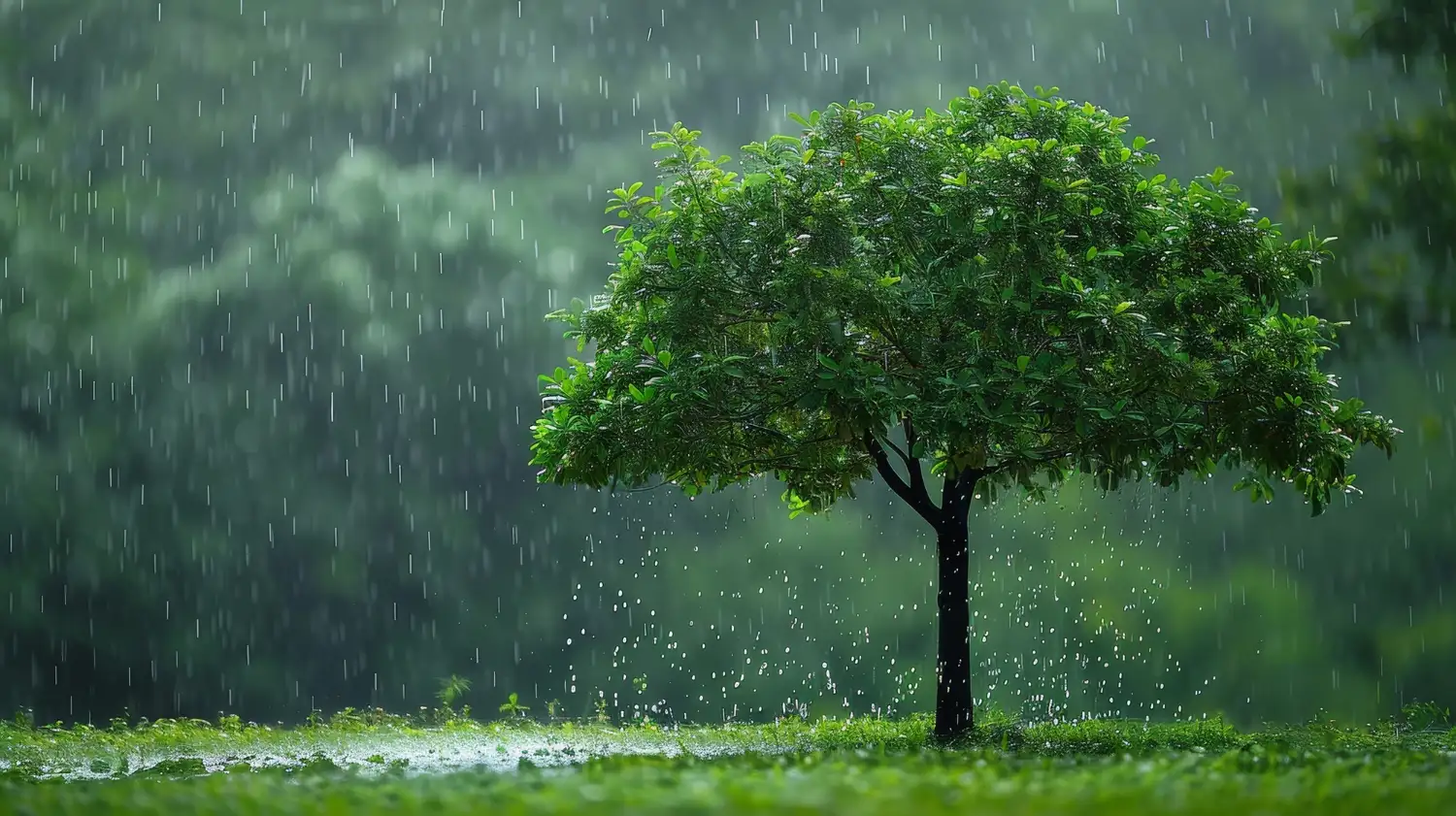
The Famous Rain Scent Has a Name
The distinctive smell after rainfall is called petrichor. The term was coined by Australian scientists in 1964 by combining the Greek words petra (stone) and ichor (the mythical fluid flowing through the veins of the gods). Petrichor refers to the earthy fragrance released when rain falls on dry soil or rocks.
Soil Bacteria Play a Big Role
One of the biggest contributors to this pleasant smell is a natural compound called geosmin. It is produced by harmless soil bacteria known as Streptomyces. During dry weather, these bacteria remain in the soil, and when rain disturbs the ground, geosmin is released into the air, creating the familiar earthy aroma.
Plants Add Their Own Fragrance
Many plants release natural oils during dry periods. These oils accumulate on rocks, leaves and soil surfaces. When rain arrives, it helps release these plant oils into the air, blending with geosmin to create the rich, fresh scent associated with rainfall.
Raindrops Help Spread the Aroma
Rain doesn't simply wash the ground. As raindrops strike porous surfaces like soil, they trap tiny air bubbles that quickly rise and burst. This process sends microscopic droplets containing geosmin and plant oils into the air, making the scent easy for us to smell, especially after light rain.
Our Nose Is Highly Sensitive to Geosmin
Humans are remarkably good at detecting geosmin. Even extremely tiny amounts can be noticed by the human nose. Scientists believe this heightened sensitivity may have helped early humans locate fresh water or recognize changes in the environment after rainfall.
The Smell Is Often Strongest After the First Rain
The first shower after a long dry spell usually produces the strongest petrichor. During dry weather, geosmin and plant oils build up on the ground. The initial rainfall releases a large amount of these compounds at once, creating the powerful earthy fragrance many people enjoy.
Weather Conditions Influence the Scent
Not every rainstorm smells the same. Light to moderate rain often produces the strongest petrichor because it releases the aromatic compounds without washing them away too quickly. Heavy downpours can dilute or suppress the scent, while humidity, wind and temperature also affect how noticeable the aroma becomes.
A Fresh Smell Linked to Nature
For many people, the scent of rain is more than just a pleasant smell, it signals cooler weather, cleaner air and the renewal of nature. Combined with the sound of rainfall and the drop in temperature, petrichor creates a sensory experience that many find relaxing and refreshing.
The pleasant smell of rain is a remarkable blend of science and nature. Compounds released by soil bacteria, oils from plants and the unique action of falling raindrops work together to create the earthy fragrance known as petrichor. The next time you enjoy the smell after a rain shower, you'll know it's the result of a fascinating natural process happening beneath your feet.
Disclaimer: The information presented in this article is based on publicly available online sources. NewsPoint has not independently verified the information or the claims mentioned.
The Famous Rain Scent Has a Name
The distinctive smell after rainfall is called petrichor. The term was coined by Australian scientists in 1964 by combining the Greek words petra (stone) and ichor (the mythical fluid flowing through the veins of the gods). Petrichor refers to the earthy fragrance released when rain falls on dry soil or rocks. Soil Bacteria Play a Big Role
One of the biggest contributors to this pleasant smell is a natural compound called geosmin. It is produced by harmless soil bacteria known as Streptomyces. During dry weather, these bacteria remain in the soil, and when rain disturbs the ground, geosmin is released into the air, creating the familiar earthy aroma.Plants Add Their Own Fragrance
Many plants release natural oils during dry periods. These oils accumulate on rocks, leaves and soil surfaces. When rain arrives, it helps release these plant oils into the air, blending with geosmin to create the rich, fresh scent associated with rainfall. Raindrops Help Spread the Aroma
Rain doesn't simply wash the ground. As raindrops strike porous surfaces like soil, they trap tiny air bubbles that quickly rise and burst. This process sends microscopic droplets containing geosmin and plant oils into the air, making the scent easy for us to smell, especially after light rain.You may also like
- From Anand to The Good Doctor: Why real doctors love these reel doctors
- Understanding Dharma: Can India's spiritual wisdom heal a fractured world?
- The Truth About Water Breaking: What the Movies Get Wrong
- Meet Ashish Kumar Verma: IIT Delhi dropout who joined Microsoft at just 19, became one of the world's youngest Google Developer Experts
- Summer shades, but only bigger
Our Nose Is Highly Sensitive to Geosmin
Humans are remarkably good at detecting geosmin. Even extremely tiny amounts can be noticed by the human nose. Scientists believe this heightened sensitivity may have helped early humans locate fresh water or recognize changes in the environment after rainfall. The Smell Is Often Strongest After the First Rain
The first shower after a long dry spell usually produces the strongest petrichor. During dry weather, geosmin and plant oils build up on the ground. The initial rainfall releases a large amount of these compounds at once, creating the powerful earthy fragrance many people enjoy. Weather Conditions Influence the Scent
Not every rainstorm smells the same. Light to moderate rain often produces the strongest petrichor because it releases the aromatic compounds without washing them away too quickly. Heavy downpours can dilute or suppress the scent, while humidity, wind and temperature also affect how noticeable the aroma becomes. A Fresh Smell Linked to Nature
For many people, the scent of rain is more than just a pleasant smell, it signals cooler weather, cleaner air and the renewal of nature. Combined with the sound of rainfall and the drop in temperature, petrichor creates a sensory experience that many find relaxing and refreshing.The pleasant smell of rain is a remarkable blend of science and nature. Compounds released by soil bacteria, oils from plants and the unique action of falling raindrops work together to create the earthy fragrance known as petrichor. The next time you enjoy the smell after a rain shower, you'll know it's the result of a fascinating natural process happening beneath your feet.
Disclaimer: The information presented in this article is based on publicly available online sources. NewsPoint has not independently verified the information or the claims mentioned.






More from our partners


Loving Newspoint? Download the app now
