
Ever Wonder Why Rain Smells So Good? Here's the Answer

There is something comforting about the smell that fills the air after the first drops of rain hit dry ground. Often described as fresh, earthy and calming, this scent is loved by people across the world. But the pleasant aroma isn't created by rain itself. Instead, it comes from a fascinating mix of natural compounds, soil-dwelling microbes and even plants. Here's why rain smells so pleasant.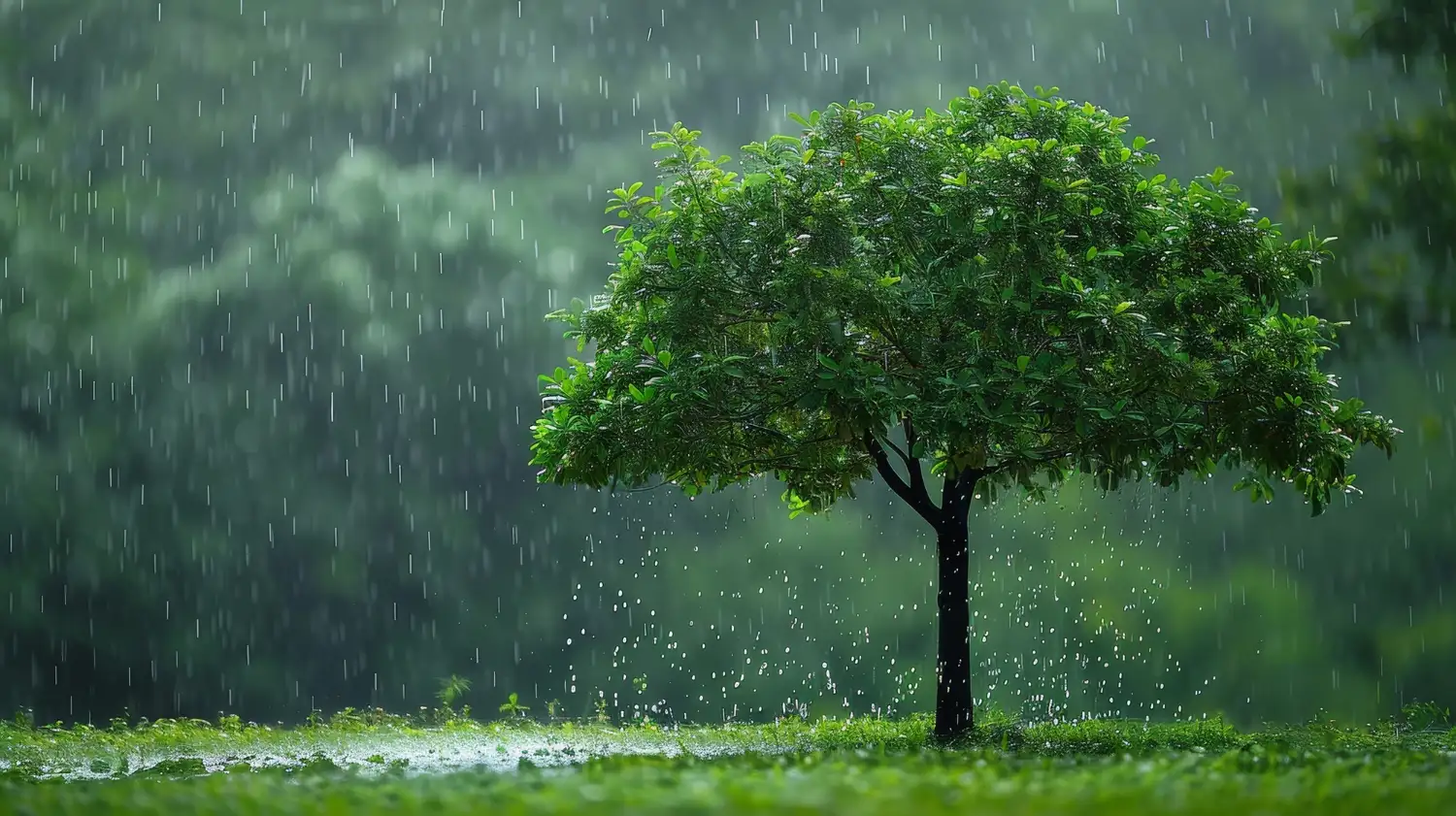
The Famous Rain Scent Has a Name
The distinctive smell after rainfall is called petrichor. The term was coined by Australian scientists in 1964 by combining the Greek words petra (stone) and ichor (the mythical fluid flowing through the veins of the gods). Petrichor refers to the earthy fragrance released when rain falls on dry soil or rocks.
Soil Bacteria Play a Big Role
One of the biggest contributors to this pleasant smell is a natural compound called geosmin. It is produced by harmless soil bacteria known as Streptomyces. During dry weather, these bacteria remain in the soil, and when rain disturbs the ground, geosmin is released into the air, creating the familiar earthy aroma.
Plants Add Their Own Fragrance
Many plants release natural oils during dry periods. These oils accumulate on rocks, leaves and soil surfaces. When rain arrives, it helps release these plant oils into the air, blending with geosmin to create the rich, fresh scent associated with rainfall.
Raindrops Help Spread the Aroma
Rain doesn't simply wash the ground. As raindrops strike porous surfaces like soil, they trap tiny air bubbles that quickly rise and burst. This process sends microscopic droplets containing geosmin and plant oils into the air, making the scent easy for us to smell, especially after light rain.
The Famous Rain Scent Has a Name
The distinctive smell after rainfall is called petrichor. The term was coined by Australian scientists in 1964 by combining the Greek words petra (stone) and ichor (the mythical fluid flowing through the veins of the gods). Petrichor refers to the earthy fragrance released when rain falls on dry soil or rocks. Soil Bacteria Play a Big Role
One of the biggest contributors to this pleasant smell is a natural compound called geosmin. It is produced by harmless soil bacteria known as Streptomyces. During dry weather, these bacteria remain in the soil, and when rain disturbs the ground, geosmin is released into the air, creating the familiar earthy aroma.Plants Add Their Own Fragrance
Many plants release natural oils during dry periods. These oils accumulate on rocks, leaves and soil surfaces. When rain arrives, it helps release these plant oils into the air, blending with geosmin to create the rich, fresh scent associated with rainfall. Raindrops Help Spread the Aroma
Rain doesn't simply wash the ground. As raindrops strike porous surfaces like soil, they trap tiny air bubbles that quickly rise and burst. This process sends microscopic droplets containing geosmin and plant oils into the air, making the scent easy for us to smell, especially after light rain.Next Story