
Why Do Rivers Change Their Course? Fascinating Facts You Should Know

Rivers may seem permanent, but they are constantly changing. Over years, decades, or even centuries, many rivers gradually shift their paths, carving new channels and abandoning old ones. Some changes happen slowly through natural erosion, while others occur suddenly during major floods. These shifts have shaped landscapes, influenced civilizations, and continue to transform the Earth today. Here's why rivers don't always stay in the same place.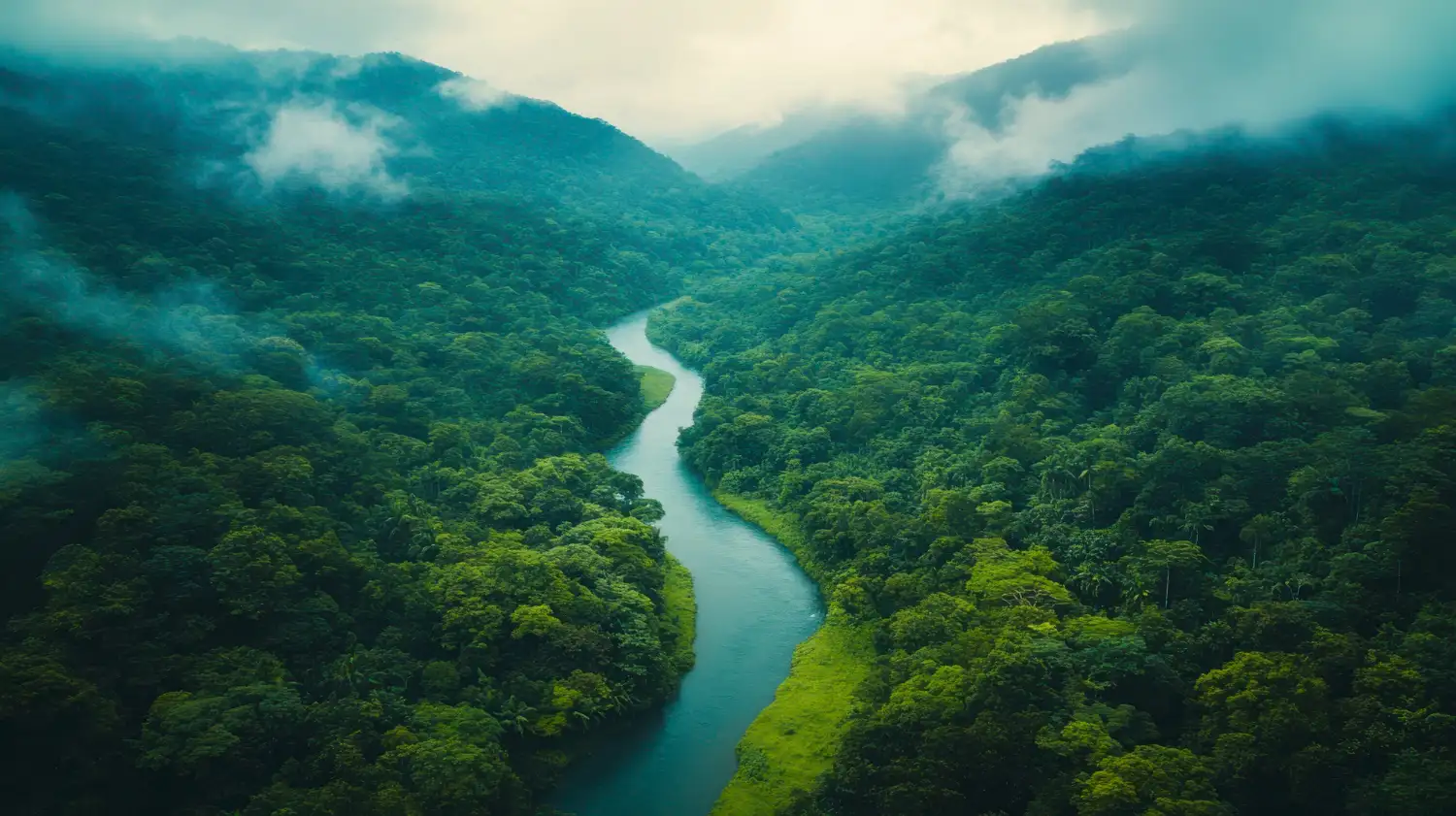
Rivers Are Always Shaping the Land
A river is more than flowing water, it is a powerful force that continuously reshapes the ground beneath it. As water moves downstream, it erodes soil, sand, and rock from some areas while depositing sediment in others. This ongoing process slowly alters the river's channel, causing it to migrate across the landscape over time.
Erosion Wears Away River Banks
One of the biggest reasons rivers change course is erosion. Fast-moving water wears away the outer banks of bends, gradually making the curves larger. At the same time, slower-moving water on the inside of bends deposits sediment. This combination causes the river to slowly shift sideways, creating winding channels known as meanders.
Sediment Builds New Pathways
Rivers carry enormous amounts of sand, silt, gravel, and clay. When the flow slows, these materials settle on the riverbed or along the banks. Over time, sediment can partially block sections of a channel, making it easier for the river to establish a new channel where flowing conditions become more favorable.
Floods Can Trigger Sudden Changes
While many changes occur gradually, major floods can dramatically alter a river in just hours or days. During extreme floods, water may overflow its banks and cut through lower ground nearby, creating an entirely new channel. This process, called an avulsion, allows the river to abandon part of its former course.
Rivers Are Always Shaping the Land
A river is more than flowing water, it is a powerful force that continuously reshapes the ground beneath it. As water moves downstream, it erodes soil, sand, and rock from some areas while depositing sediment in others. This ongoing process slowly alters the river's channel, causing it to migrate across the landscape over time. Erosion Wears Away River Banks
One of the biggest reasons rivers change course is erosion. Fast-moving water wears away the outer banks of bends, gradually making the curves larger. At the same time, slower-moving water on the inside of bends deposits sediment. This combination causes the river to slowly shift sideways, creating winding channels known as meanders.Sediment Builds New Pathways
Rivers carry enormous amounts of sand, silt, gravel, and clay. When the flow slows, these materials settle on the riverbed or along the banks. Over time, sediment can partially block sections of a channel, making it easier for the river to establish a new channel where flowing conditions become more favorable. Floods Can Trigger Sudden Changes
While many changes occur gradually, major floods can dramatically alter a river in just hours or days. During extreme floods, water may overflow its banks and cut through lower ground nearby, creating an entirely new channel. This process, called an avulsion, allows the river to abandon part of its former course.Next Story