
Why Does Food Taste Better With Salt? The Science of Seasoning

Salt is one of the simplest ingredients in cooking, yet a small amount can transform the flavour of an otherwise ordinary dish. From soups and curries to salads, breads and desserts, salt does more than make food taste salty. It can enhance other flavours, balance bitterness and help ingredients taste more distinct. But what exactly happens when salt meets our taste buds?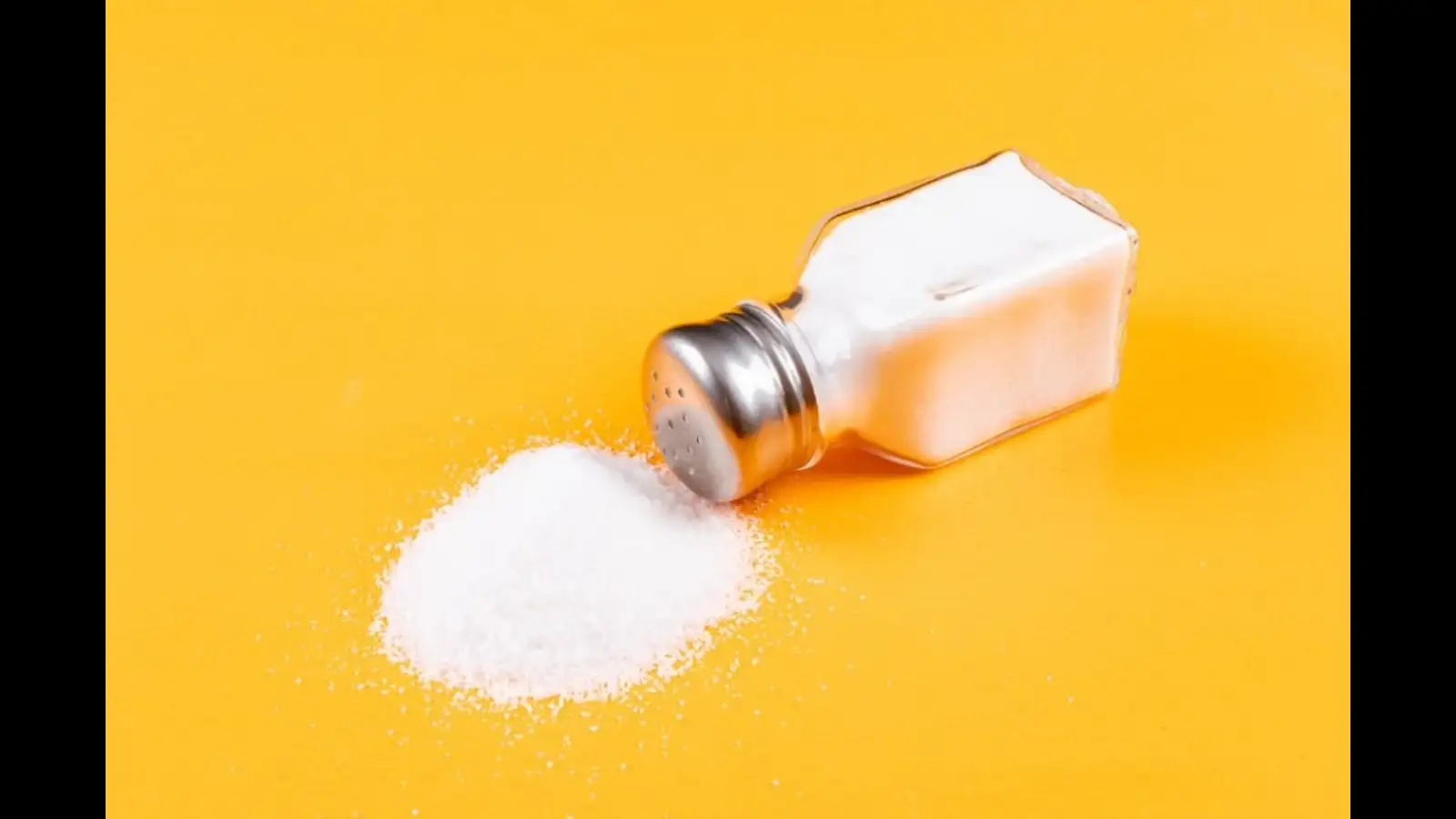
Salt does not simply add saltiness. Used in the right amount, it can enhance desirable flavours, reduce the perception of bitterness and improve overall balance, making it one of the most powerful basic ingredients in cooking.
1. Salt Enhances Flavour
The primary reason salt makes food more enjoyable is its ability to enhance the perception of other flavours. Sodium ions interact with taste receptors and influence how the brain interprets the overall taste of food. Proper seasoning can make ingredients such as vegetables, meat, grains and spices seem more flavourful without necessarily making the dish taste noticeably salty.2. It Can Reduce the Perception of Bitterness
Salt can suppress the perception of bitterness in certain foods. This is one reason a carefully measured amount of salt can improve the taste of vegetables, leafy greens and some sauces. It does not completely eliminate bitterness, but it can make bitter notes less prominent, allowing other flavours to stand out.3. Salt Helps Balance Flavours
Good cooking is often about balance rather than simply adding more flavour. Salt can help bring together sweet, sour, bitter and savoury notes. When a dish tastes flat or lacks definition, a small amount of salt may make its existing flavours seem clearer and more balanced.4. It Strengthens the Taste of Savoury Foods
Salt is particularly important in foods with savoury or umami flavours. It can increase the perceived intensity of these flavours, which is why ingredients such as mushrooms, tomatoes, cheese, meat and broths often benefit from appropriate seasoning. Salt does not create umami itself; instead, it can make the overall savoury experience more pronounced.You may also like
- Forget the stress of a job and start your own business: The government is offering ₹5 lakh, with relief on interest and guarantees..
- EPFO New Update: UAN will no longer be activated on the portal; these services have shifted to the UMANG app—what is the complete process?
- PPF vs SSY: Which scheme is best for your daughter's future, and where will you get massive returns? Full calculation..
- Jackie Shroff's love for plants is more than a celebrity hobby: How the actor became one of Bollywood's most recognisable green enthusiasts
- Angelina Jolie's unusual parenting choice: In 2016, she revealed her six children were learning Khmer, Vietnamese, German, Arabic and sign language
5. Salt Changes More Than Taste
Salt also plays important roles in cooking beyond its direct effect on taste. It can influence texture, moisture and food preservation. For example, salt can draw water from certain ingredients through osmosis and affects the behaviour of proteins in foods such as meat and dough. In fermentation and preservation, its ability to influence microbial growth has also made it an important culinary ingredient for centuries.6. Timing Can Affect the Result
When salt is added can influence how evenly it is distributed and how it interacts with food. Salting during cooking often allows the seasoning to become integrated throughout a dish, while finishing with a small amount of salt can provide a more noticeable burst of flavour on the surface. The best approach depends on the food and cooking method.7. Too Much Salt Can Have the Opposite Effect
More salt does not automatically mean better flavour. Once the concentration becomes too high, saltiness can overpower the other characteristics of a dish. Excessive dietary sodium is also associated with increased blood pressure in many people, so flavour enhancement should be based on appropriate seasoning rather than simply adding more salt.8. Why Even Sweet Foods Sometimes Need Salt
Salt is not limited to savoury cooking. Small quantities are commonly used in cakes, cookies, caramel, chocolate and other desserts because they can balance sweetness and make certain flavour notes more noticeable. The goal is usually not to make the dessert taste salty, but to create a more rounded flavour profile.The Science Behind a Simple Pinch
Salt works because flavour is a combination of taste, aroma and sensory perception. By influencing taste receptors and the way other taste qualities are perceived, sodium chloride can make food seem more vivid and balanced. That is why a carefully measured pinch of salt can sometimes make the difference between food that tastes ordinary and food that tastes complete.Salt does not simply add saltiness. Used in the right amount, it can enhance desirable flavours, reduce the perception of bitterness and improve overall balance, making it one of the most powerful basic ingredients in cooking.






Loving Newspoint? Download the app now
