
Did You Know Samosas Are Banned In This Country? Here’s Why

Samosas are a beloved snack throughout South Asia. Whether it’s India, Pakistan, Bangladesh, or Nepal, samosas served hot with tea are considered an all-time favorite. Over the years, this crispy, golden triangle filled with spicy potatoes, peas, and sometimes meat has also become popular across Europe, the Americas, and the Middle East.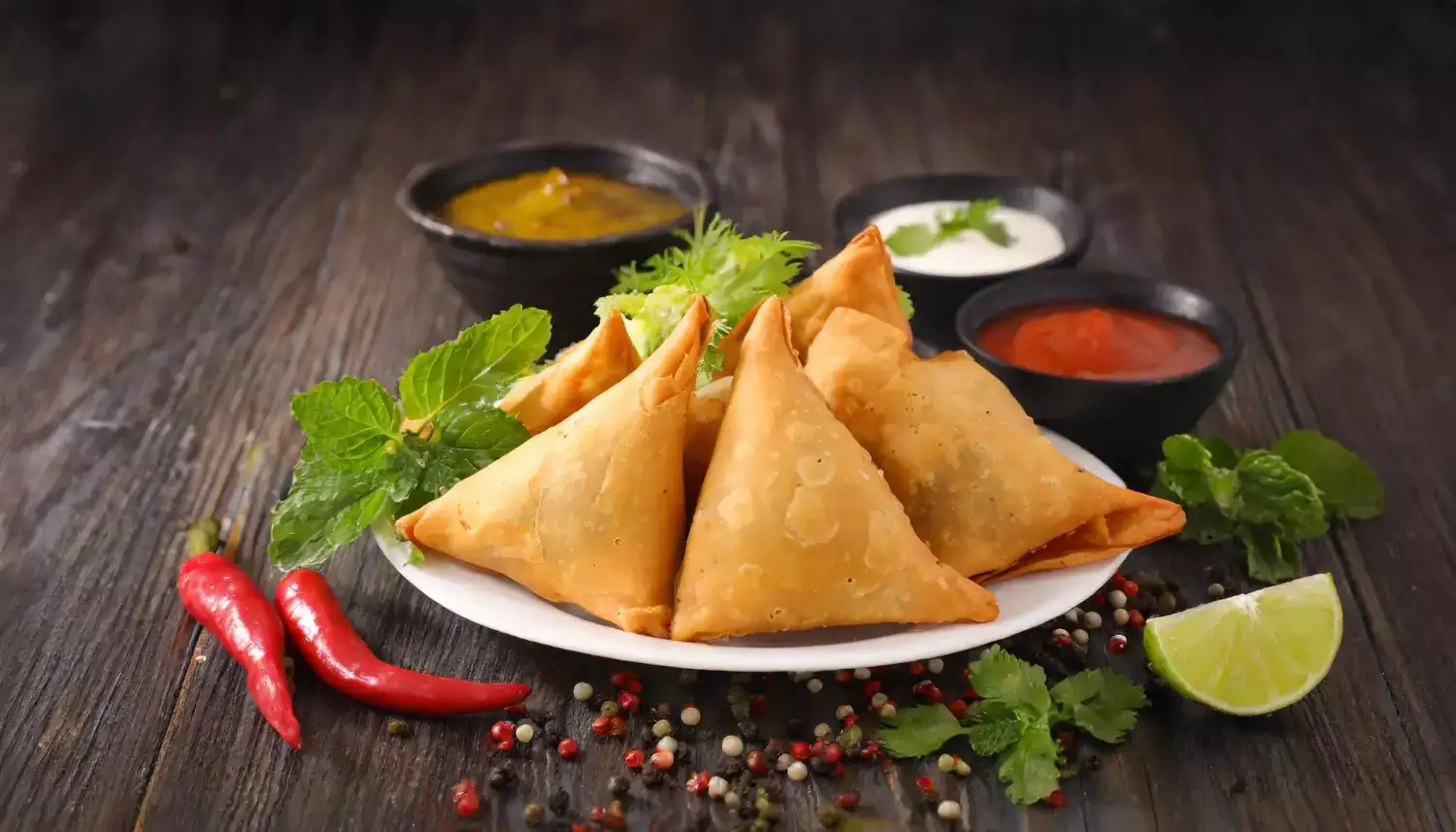
However, did you know that there is one country in the world where samosas are banned? That country is Somalia.
In 2011, Somalia’s hardline extremist group Al-Shabaab, which has ties to Al-Qaeda and controls parts of Somalia, banned samosas. This militant group declared that samosas were “too Western,” and anyone caught making or eating them could face punishment. Locally known as “sambusas,” these snacks were outlawed under the group’s strict interpretation of Islamic law.
Though the group did not officially issue a detailed explanation, several media reports claimed that the triangular shape of samosas was offensive to the militants, as they believed it resembled the Christian Holy Trinity. This alleged symbolism was considered inappropriate and “un-Islamic,” leading to the outright ban.
The history of the samosa, however, is far richer and more multicultural than these claims suggest. The snack is believed to have originated in Egypt before spreading to Libya, the Middle East, and Iran. Arab traders brought it to India around the 10th century. Iranian historian Abolfazi Behaki mentioned the snack in his book Tarikh-e-Behaki. In fact, according to poet and musician Amir Khusro, samosas were a favorite in the Mughal court during the 13th century.
While most of the world continues to enjoy samosas as a culinary delight, in Somalia, this treat became the target of extremist ideology. The ban highlights how even something as simple as food can be caught in the crossfire of politics and religious fundamentalism.
However, did you know that there is one country in the world where samosas are banned? That country is Somalia.
In 2011, Somalia’s hardline extremist group Al-Shabaab, which has ties to Al-Qaeda and controls parts of Somalia, banned samosas. This militant group declared that samosas were “too Western,” and anyone caught making or eating them could face punishment. Locally known as “sambusas,” these snacks were outlawed under the group’s strict interpretation of Islamic law.
You may also like
- Irregular periods accompanied by acne and hair loss? Could it be PCOS?
- When Rajdhani Express stopped in Assam: The unusual encounter that held up India's one of the superfast trains
- Karan Johar to Bring R.N. Kao's Spy Story to the Big Screen in August 2028
- Nagaland Film Angh Enters Oscar 2027 Race After Winning TIFF Platform Award
- Inside Uzbekistan's new landmark housing one of the world's oldest Qurans
Though the group did not officially issue a detailed explanation, several media reports claimed that the triangular shape of samosas was offensive to the militants, as they believed it resembled the Christian Holy Trinity. This alleged symbolism was considered inappropriate and “un-Islamic,” leading to the outright ban.
The history of the samosa, however, is far richer and more multicultural than these claims suggest. The snack is believed to have originated in Egypt before spreading to Libya, the Middle East, and Iran. Arab traders brought it to India around the 10th century. Iranian historian Abolfazi Behaki mentioned the snack in his book Tarikh-e-Behaki. In fact, according to poet and musician Amir Khusro, samosas were a favorite in the Mughal court during the 13th century.
While most of the world continues to enjoy samosas as a culinary delight, in Somalia, this treat became the target of extremist ideology. The ban highlights how even something as simple as food can be caught in the crossfire of politics and religious fundamentalism.






Loving Newspoint? Download the app now
