
Why Do Some Train Journeys Offer Better Views Than the Destinations Themselves?

A holiday usually comes with a destination in mind. We book a hotel, plan activities and decide which places to explore after arriving. Yet some of the most memorable moments happen before we reach the final stop.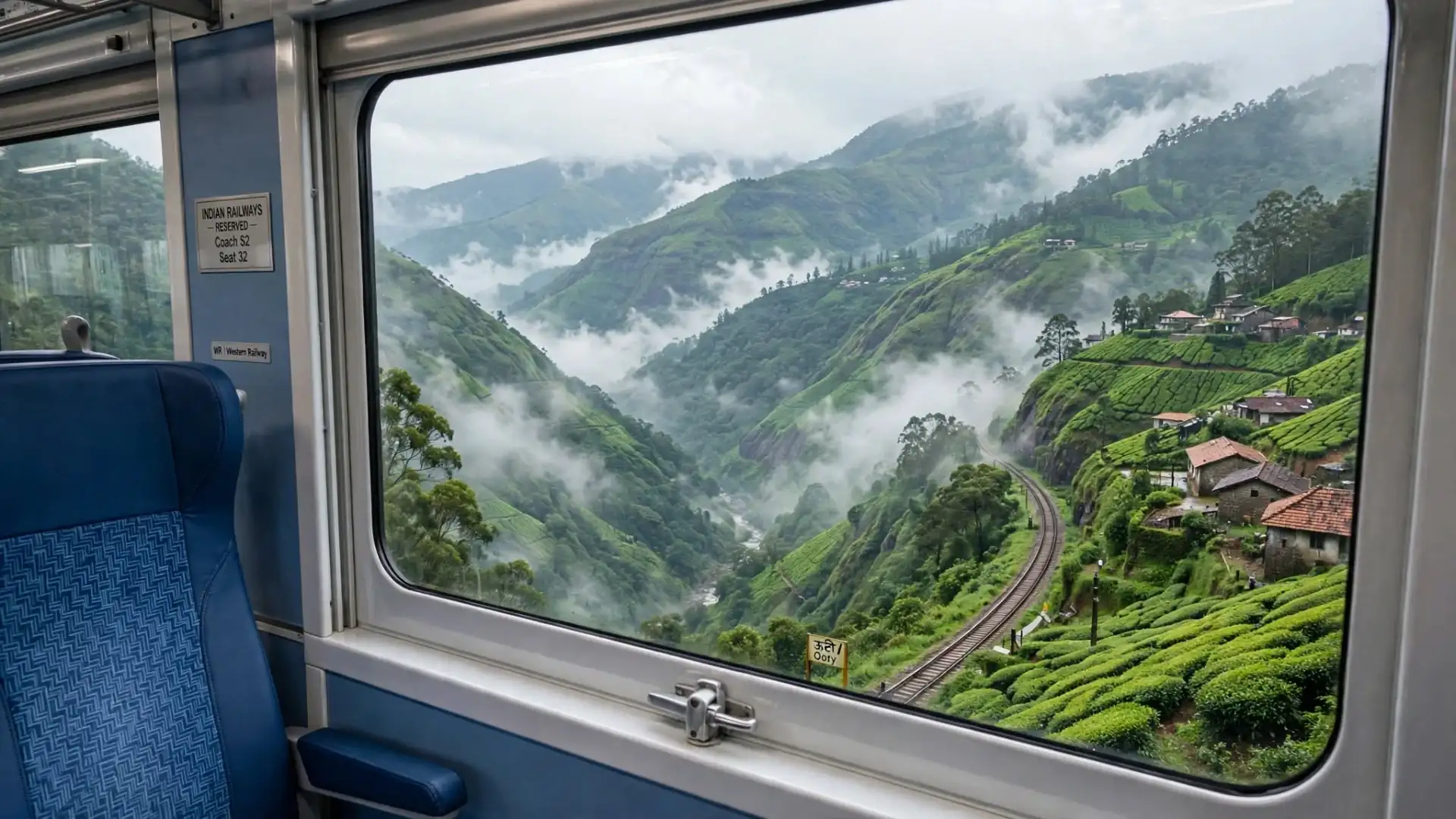
A train window can offer an ever-changing view of fields, villages, forests, bridges and mountains. Unlike a flight, which often keeps passengers above the landscape, a train can carry travellers directly through it.
This is one reason scenic train journeys can feel as rewarding as the destinations they connect.
The transition happens without requiring passengers to change vehicles or make separate sightseeing stops. Ordinary scenes become part of the experience: people working in fields, rivers running beside tracks and small stations where daily life continues.
Routes such as the Konkan Railway are particularly known for their dramatic scenery, with sections passing through the Western Ghats, crossing bridges and travelling through tunnels. The experience varies by route and season, but the landscape can make the journey memorable in itself.
There is also less pressure to organise every minute. Once settled into a seat, travellers can read, talk, listen to music or simply watch the landscape.
That slower rhythm can feel especially appealing to people accustomed to busy schedules. The journey creates a temporary break from the need to move constantly from one activity to another.
These routes are not simply sightseeing rides. They are working railways that connect communities, and their scenery is only one part of their value.
Still, for travellers, the opportunity to experience a landscape from the train can become a central part of planning a holiday.
A destination may offer a list of places to visit, but a scenic train journey unfolds continuously, creating dozens of small experiences along the way.
That is why some train rides remain memorable long after the holiday ends. The destination may be the reason we bought the ticket, but the journey can become the part we remember most.
A train window can offer an ever-changing view of fields, villages, forests, bridges and mountains. Unlike a flight, which often keeps passengers above the landscape, a train can carry travellers directly through it.
This is one reason scenic train journeys can feel as rewarding as the destinations they connect.
A changing landscape outside the window
One of the pleasures of train travel is watching the surroundings change gradually. A journey might begin in a crowded city, pass through agricultural land and continue into hills or forests.The transition happens without requiring passengers to change vehicles or make separate sightseeing stops. Ordinary scenes become part of the experience: people working in fields, rivers running beside tracks and small stations where daily life continues.
Routes such as the Konkan Railway are particularly known for their dramatic scenery, with sections passing through the Western Ghats, crossing bridges and travelling through tunnels. The experience varies by route and season, but the landscape can make the journey memorable in itself.
Why the slower pace feels different
Train travel gives passengers time to notice things that might be missed during a rushed journey. A long stretch of countryside, a station tea break or the view from a bridge can become a moment worth remembering.There is also less pressure to organise every minute. Once settled into a seat, travellers can read, talk, listen to music or simply watch the landscape.
That slower rhythm can feel especially appealing to people accustomed to busy schedules. The journey creates a temporary break from the need to move constantly from one activity to another.
The railway routes that become attractions
India has several railway journeys known for their scenery. The Konkan Railway offers views of the western coastline and lush terrain along parts of its route. The Kalka-Shimla Railway travels through the Himalayan foothills, while the Darjeeling Himalayan Railway is celebrated for its mountain setting and historic narrow-gauge line.These routes are not simply sightseeing rides. They are working railways that connect communities, and their scenery is only one part of their value.
Still, for travellers, the opportunity to experience a landscape from the train can become a central part of planning a holiday.
Why the journey stays with us
Travel memories are not always formed by famous monuments or major attractions. Sometimes they come from a conversation with a fellow passenger, the first glimpse of the mountains or a quiet moment watching rain move across the countryside.A destination may offer a list of places to visit, but a scenic train journey unfolds continuously, creating dozens of small experiences along the way.
That is why some train rides remain memorable long after the holiday ends. The destination may be the reason we bought the ticket, but the journey can become the part we remember most.
Next Story