
Why Do Seaside Towns Feel Different From Cities Located Inland?

Arrive in a seaside town and the difference may be noticeable before you reach your accommodation. The air feels different, the horizon opens up, and the sound of waves may replace the steady traffic noise of a busy city. Even familiar activities, such as taking a walk or sitting outdoors, can feel different when the sea is nearby.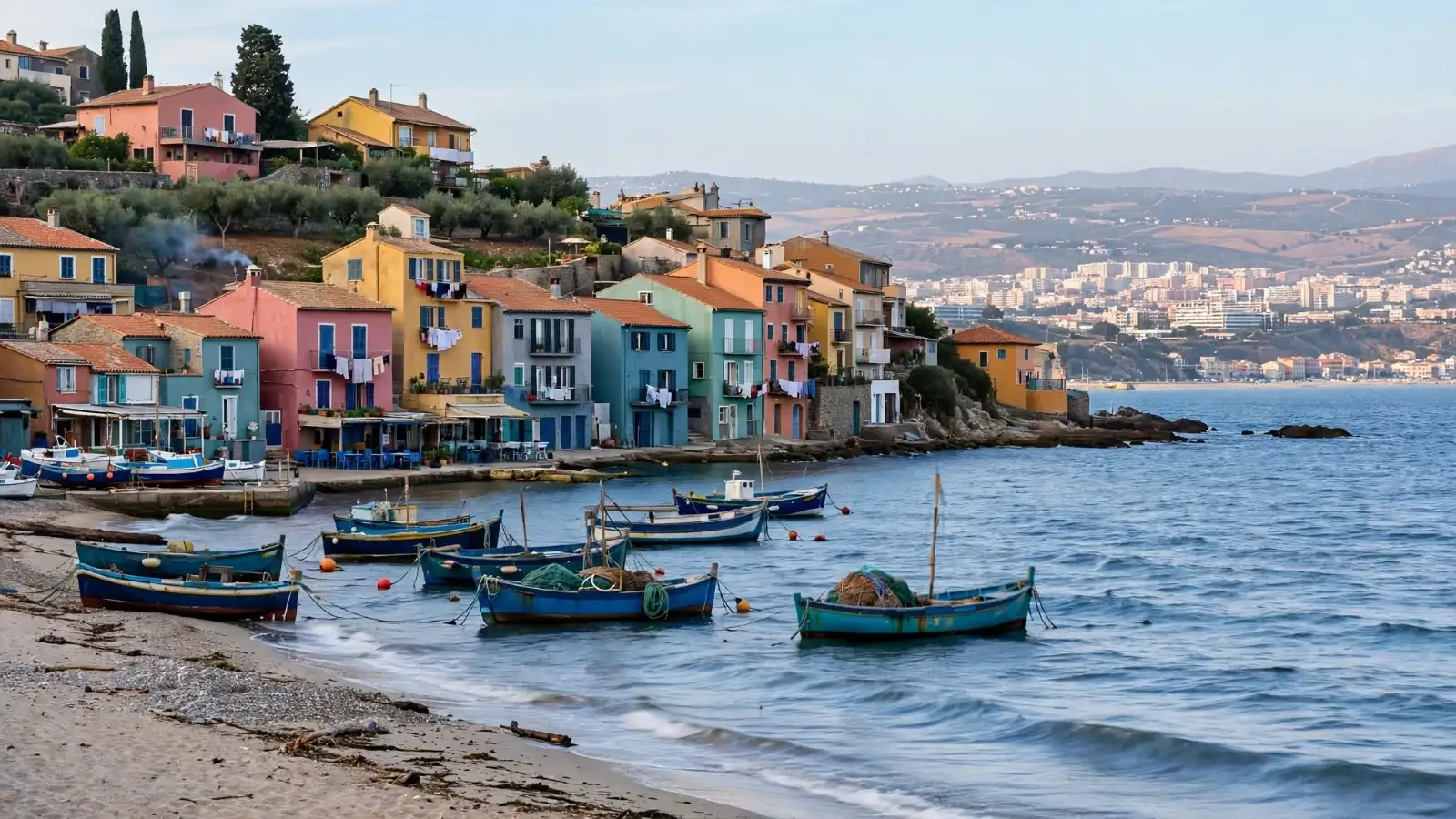
Part of this contrast comes from the landscape. Inland cities are often shaped by buildings, roads and the surrounding terrain. Coastal towns have another defining feature: a large, open body of water that changes how the place looks and sounds throughout the day.
The sea does not automatically make every coastal destination peaceful, but it gives these places a distinctive atmosphere.
Sea breezes can also shape the experience. During the day, land often warms more quickly than the water, encouraging cooler air from over the sea to move towards the shore. The strength and timing of this effect depend on weather conditions, geography and the season.
Coastal air can feel humid, and salt carried by sea spray may affect surfaces, vehicles and buildings over time. These details are part of everyday life near the water, even if visitors notice them mainly during a short holiday.
Some people find these sounds and views calming because they provide a steady, relatively predictable background. Others simply enjoy the opportunity to watch the changing light, tides and weather.
Being near the sea does not guarantee better mental health, and the effect differs from person to person. Still, a coastal walk can provide a change of pace and a chance to spend time outdoors, which many visitors find refreshing.
These places are not always quiet. Popular beaches can become crowded, traffic can build up during holidays, and seasonal tourism may put pressure on local services. Smaller fishing towns may also face economic uncertainty or the effects of changing weather and coastal erosion.
What makes seaside towns feel different, then, is not simply that life moves more slowly. It is the combination of coastal weather, open scenery, distinctive sounds and livelihoods connected to the water.
Ultimately, the sea becomes part of the town's identity. It shapes the view, influences the climate and affects everyday routines in ways that are difficult to replicate in an inland city. Even a short visit can make that difference clear.
Part of this contrast comes from the landscape. Inland cities are often shaped by buildings, roads and the surrounding terrain. Coastal towns have another defining feature: a large, open body of water that changes how the place looks and sounds throughout the day.
The sea does not automatically make every coastal destination peaceful, but it gives these places a distinctive atmosphere.
Coastal Weather Has Its Own Character
The ocean influences local temperatures because water generally heats up and cools down more slowly than land. As a result, coastal areas may experience smaller daily temperature swings than places farther inland, although local conditions vary considerably.Sea breezes can also shape the experience. During the day, land often warms more quickly than the water, encouraging cooler air from over the sea to move towards the shore. The strength and timing of this effect depend on weather conditions, geography and the season.
Coastal air can feel humid, and salt carried by sea spray may affect surfaces, vehicles and buildings over time. These details are part of everyday life near the water, even if visitors notice them mainly during a short holiday.
The Sound of Waves and the Open Horizon
The sensory environment of a seaside town can influence how people experience it. The sound of waves, the movement of water and the view across an open horizon offer a contrast to the visual clutter of traffic, buildings and advertising in many urban settings.Some people find these sounds and views calming because they provide a steady, relatively predictable background. Others simply enjoy the opportunity to watch the changing light, tides and weather.
Being near the sea does not guarantee better mental health, and the effect differs from person to person. Still, a coastal walk can provide a change of pace and a chance to spend time outdoors, which many visitors find refreshing.
Life Along the Coast Follows Different Rhythms
Coastal towns are often shaped by activities connected to the sea. Fishing schedules, boat movements, seafood markets and weather conditions can influence when people work and how local businesses operate. In tourist destinations, the rhythm may change again during peak holiday periods.These places are not always quiet. Popular beaches can become crowded, traffic can build up during holidays, and seasonal tourism may put pressure on local services. Smaller fishing towns may also face economic uncertainty or the effects of changing weather and coastal erosion.
What makes seaside towns feel different, then, is not simply that life moves more slowly. It is the combination of coastal weather, open scenery, distinctive sounds and livelihoods connected to the water.
Ultimately, the sea becomes part of the town's identity. It shapes the view, influences the climate and affects everyday routines in ways that are difficult to replicate in an inland city. Even a short visit can make that difference clear.
Next Story