
Why Seasonal Fruits Are Essential For Children's Growth, Immunity And Overall Well-Being

A healthy childhood depends greatly on proper nutrition, and fruits play a vital role in providing the nutrients needed for growth and development. Rich in vitamins, minerals, fibre and natural antioxidants, fruits contribute to healthy bones, stronger immunity, better digestion and sustained energy levels. Choosing seasonal fruits can be particularly beneficial because they are usually fresher, more flavourful and readily available.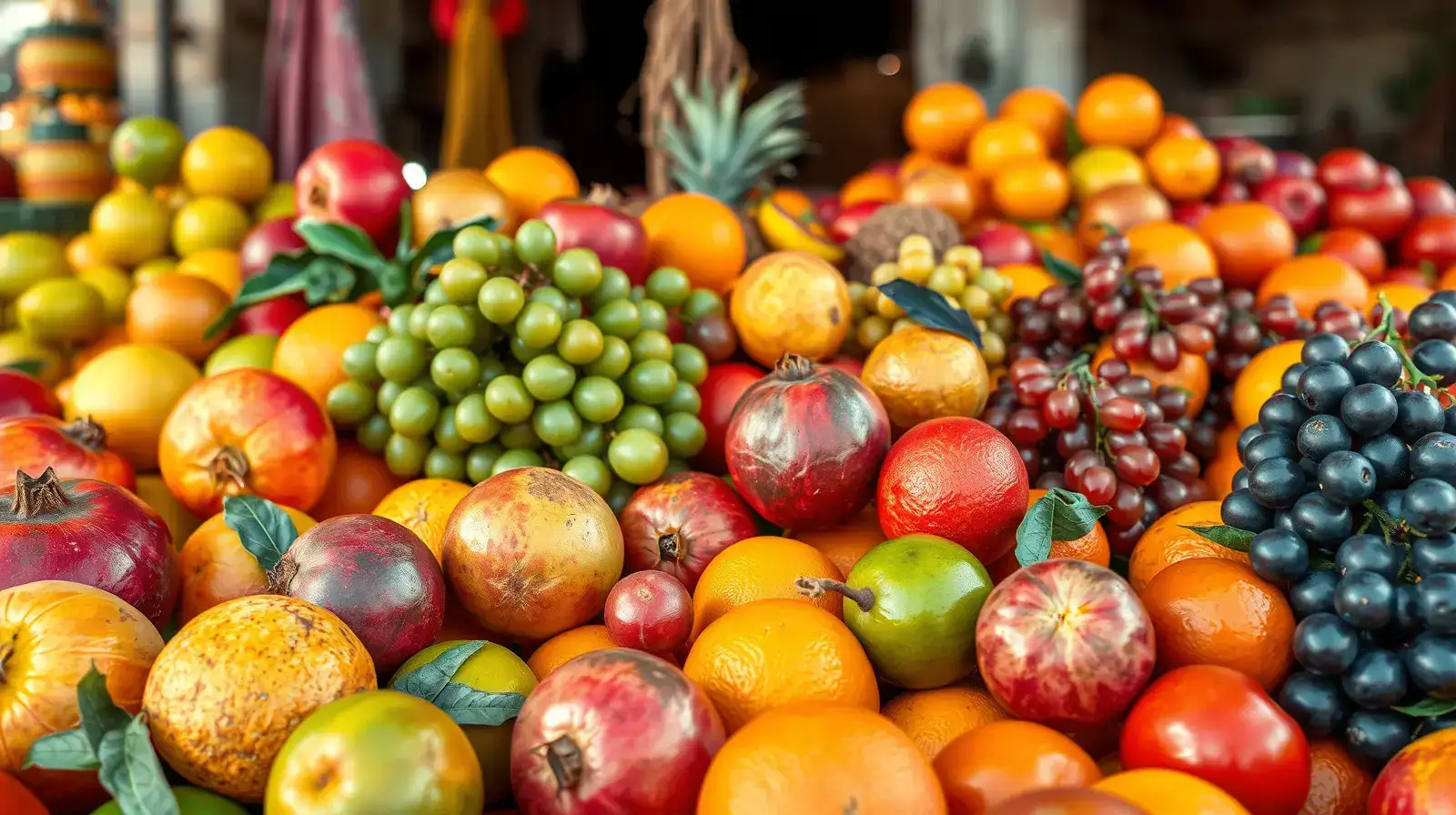
In India, different seasons bring a wide variety of fruits that can add both nutrition and variety to a child's diet. Encouraging children to enjoy seasonal produce not only supports their health but also helps them develop positive eating habits that can last a lifetime.
For growing children, consuming a variety of fruits throughout the year helps ensure a broader intake of nutrients. Different fruits provide different vitamins and minerals, making seasonal variety an important aspect of a balanced diet.
Their natural sweetness makes them appealing to children, and they can be enjoyed fresh, blended into smoothies or added to yoghurt. When eaten as part of a balanced diet, mangoes can be a nutritious addition during the summer months.
In addition to hydration, watermelon provides vitamins and antioxidants that support overall well-being. Its refreshing taste and juicy texture often make it popular among children who may otherwise struggle to consume enough fluids during warmer months.
The fibre content can help maintain healthy digestion, while the fruit's natural sweetness makes it easy to include in snacks or lunchboxes. Guava can be eaten fresh or combined with other fruits to create colourful fruit salads.
Its soft texture makes it suitable for younger children, while its mild sweetness appeals to many age groups. Regular inclusion of papaya can contribute to a varied and balanced intake of fruits.
These fruits can be served as a snack, added to fruit bowls or enjoyed fresh. Their bright flavour often encourages children to consume more fruit while adding variety to their diet.
They provide dietary fibre and can be eaten whole, sliced or incorporated into various recipes. Apples are convenient for school lunches and make a healthy alternative to processed snacks.
They can be eaten on their own, mixed into fruit salads or sprinkled over yoghurt. Their naturally sweet and tangy flavour makes them an attractive option for growing kids.
Because they require no preparation, bananas are ideal for school snacks, sports activities or quick breakfasts. Their soft texture also makes them suitable for younger children.
Parents can encourage fruit consumption by presenting colourful fruit platters, preparing smoothies, adding fruit to breakfast cereals or involving children in selecting fruits during shopping trips.
Creating positive experiences around healthy eating often increases a child's willingness to try new foods and develop lifelong healthy habits.
Seasonal fruits are among the simplest and most nutritious additions to a healthy diet for kids . From mangoes and watermelons in summer to guavas, oranges and pomegranates in other seasons, each fruit offers unique nutritional benefits that support growth and development. By encouraging children to enjoy a variety of seasonal fruits regularly, parents can help build healthier eating habits while providing essential nutrients needed for a strong and active childhood.
In India, different seasons bring a wide variety of fruits that can add both nutrition and variety to a child's diet. Encouraging children to enjoy seasonal produce not only supports their health but also helps them develop positive eating habits that can last a lifetime.
Why Seasonal Fruits Matter For Children
Seasonal fruits are harvested when they naturally ripen, allowing them to retain their flavour and nutritional value. They often require less storage time and fewer preservation methods compared with out-of-season produce.For growing children, consuming a variety of fruits throughout the year helps ensure a broader intake of nutrients. Different fruits provide different vitamins and minerals, making seasonal variety an important aspect of a balanced diet.
Mangoes – A Summer Favourite
Mangoes are among the most loved fruits in India and are packed with nutrients that support children's health. They contain vitamin A, which contributes to healthy vision, and vitamin C, which supports normal immune function.Their natural sweetness makes them appealing to children, and they can be enjoyed fresh, blended into smoothies or added to yoghurt. When eaten as part of a balanced diet, mangoes can be a nutritious addition during the summer months.
Watermelon – Refreshing And Hydrating
Hot weather increases the importance of staying hydrated, especially for active children. Watermelon contains a high water content, making it an excellent fruit for summer.In addition to hydration, watermelon provides vitamins and antioxidants that support overall well-being. Its refreshing taste and juicy texture often make it popular among children who may otherwise struggle to consume enough fluids during warmer months.
Guava – A Nutritional Powerhouse
Guava is widely available in many parts of India and offers impressive nutritional benefits. It contains vitamin C, dietary fibre and various plant compounds that support overall health.The fibre content can help maintain healthy digestion, while the fruit's natural sweetness makes it easy to include in snacks or lunchboxes. Guava can be eaten fresh or combined with other fruits to create colourful fruit salads.
Papaya – Gentle On Digestion
Papaya is a nutritious fruit that provides vitamins, minerals and dietary fibre. It is particularly valued for its digestive benefits and can be a useful addition to a healthy diet for children.Its soft texture makes it suitable for younger children, while its mild sweetness appeals to many age groups. Regular inclusion of papaya can contribute to a varied and balanced intake of fruits.
Oranges And Sweet Lime – Rich In Vitamin C
Citrus fruits such as oranges and sweet lime are excellent choices for children. They are known for their vitamin C content and refreshing taste.These fruits can be served as a snack, added to fruit bowls or enjoyed fresh. Their bright flavour often encourages children to consume more fruit while adding variety to their diet.
Apples – A Reliable Year-Round Option
Although often available throughout the year, apples remain one of the best fruits for children due to their versatility and nutritional value.They provide dietary fibre and can be eaten whole, sliced or incorporated into various recipes. Apples are convenient for school lunches and make a healthy alternative to processed snacks.
Pomegranates – Packed With Nutrients
Pomegranates contain beneficial nutrients and antioxidants that support overall health. The colourful seeds are enjoyable for many children and can add texture and variety to meals.They can be eaten on their own, mixed into fruit salads or sprinkled over yoghurt. Their naturally sweet and tangy flavour makes them an attractive option for growing kids.
Bananas – Energy For Active Children
Bananas are one of the most convenient fruits for busy families. They provide carbohydrates that offer energy and contain important nutrients such as potassium.Because they require no preparation, bananas are ideal for school snacks, sports activities or quick breakfasts. Their soft texture also makes them suitable for younger children.
Encourage Variety In Fruit Consumption
No single fruit provides every nutrient a child needs. Offering a range of seasonal fruits helps create a more balanced nutritional profile and keeps meals interesting.Parents can encourage fruit consumption by presenting colourful fruit platters, preparing smoothies, adding fruit to breakfast cereals or involving children in selecting fruits during shopping trips.
Creating positive experiences around healthy eating often increases a child's willingness to try new foods and develop lifelong healthy habits.
Seasonal fruits are among the simplest and most nutritious additions to a healthy diet for kids . From mangoes and watermelons in summer to guavas, oranges and pomegranates in other seasons, each fruit offers unique nutritional benefits that support growth and development. By encouraging children to enjoy a variety of seasonal fruits regularly, parents can help build healthier eating habits while providing essential nutrients needed for a strong and active childhood.
Next Story