
Why Sharks Play Important Roles in Marine Ecosystems and Ocean Health

Sharks are often portrayed as dangerous ocean predators, but their importance extends far beyond their reputation. These remarkable marine animals help shape underwater food webs, influence the behaviour of other species and support the health of different ocean habitats. From coral reefs and seagrass meadows to the open ocean, sharks contribute to ecological processes that allow marine life to thrive.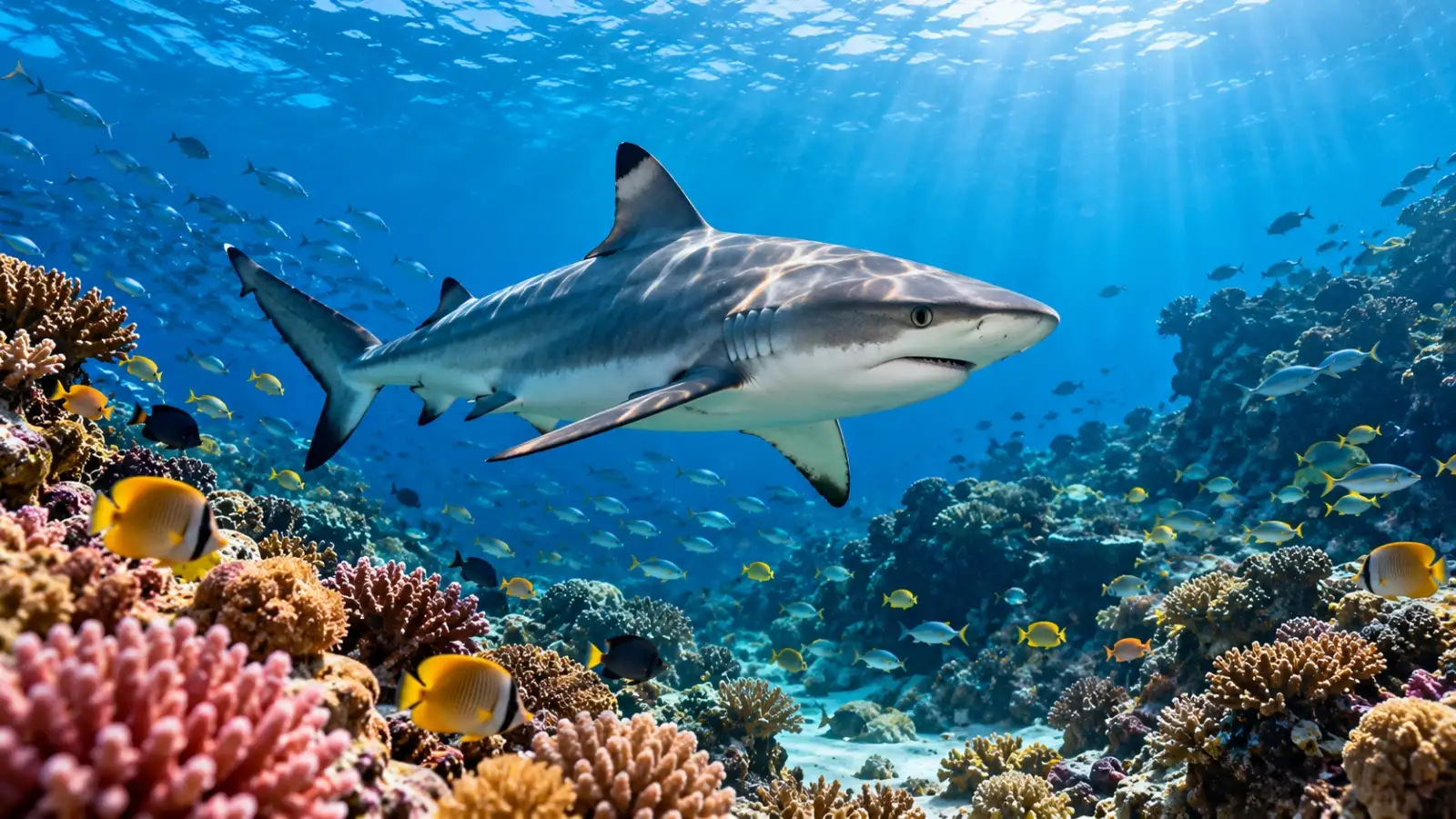
However, not every shark performs the same role. Some are powerful predators near the top of the food web, while others feed on plankton or smaller marine organisms. Understanding this diversity helps explain why shark conservation matters and how the loss of certain species can affect the wider marine environment.
This influence can prevent certain populations from becoming excessively abundant under particular ecological conditions. It may also help maintain a more balanced distribution of species throughout an ecosystem.
However, the relationship is not always straightforward. Different sharks hunt different prey, and their effects depend on local food webs, habitat conditions and the abundance of other predators. Sharks are important parts of marine ecosystems, but no single species controls every aspect of ocean life.
Some reef-associated sharks influence this balance by feeding on other predators and changing where prey animals choose to feed or shelter. These interactions can have indirect effects on the reef community.
For example, when the populations of certain mid-level predators increase, they may reduce the number of smaller herbivorous fish. If fewer herbivores remain to graze on algae, algae can compete more strongly with corals for space.
In some reef systems, sharks help influence these relationships and support conditions that allow coral communities to thrive. The exact effects vary between reefs, so healthy shark populations alone cannot protect coral reefs from threats such as warming seas, pollution and destructive fishing.
Tiger sharks, for instance, are known to influence the behaviour of some marine herbivores, including sea turtles and dugongs. When these animals perceive a greater risk of predation, they may change where, when or how long they feed.
This can reduce concentrated grazing in particular locations and give seagrass time to recover. Seagrass meadows are important because they provide nursery grounds for young fish, shelter for marine organisms and feeding areas for numerous species.
In certain coastal ecosystems, sharks also influence food webs connected to kelp forests. These underwater forests provide food and shelter for marine life, but excessive grazing by sea urchins can damage them. Predators that influence urchin populations or their predators may indirectly affect kelp growth.
These relationships demonstrate how the presence of a predator can influence habitats without the predator directly feeding on plants.
Sharks contribute to this complexity by occupying different ecological positions. Some regulate prey populations, while others compete with other predators or feed on different types of marine organisms.
Their presence can influence how species share resources and use different parts of a habitat. In some environments, this helps prevent one species from dominating particular resources.
The effects vary considerably between shark species and locations. Some sharks have strong influences on their surroundings, while others play more limited or specialised roles. Protecting this diversity is important because ecosystems function through many overlapping relationships rather than through a single predator-prey interaction.
Some species travel considerable distances while feeding, allowing them to connect areas that might otherwise have limited exchanges of nutrients. Their waste can also return nutrients to the surrounding water.
Other sharks move between deeper and shallower environments, potentially influencing how nutrients are distributed across different parts of the ocean.
These processes are not equally important for every species, and scientists are still investigating several aspects of shark-driven nutrient transport. Nevertheless, this role highlights that sharks influence marine ecosystems in ways that go beyond hunting.
For example, a decline in a shark population could be linked to overfishing, accidental capture, habitat degradation or changes in food availability. However, the decline itself does not identify the cause, so researchers need additional evidence to understand what has happened.
Scientists use tagging, underwater surveys, genetic analysis and other monitoring methods to study shark movements and populations. This information can help identify important feeding grounds, breeding areas and migration routes.
Such research supports better marine management and helps conservation teams understand which habitats need stronger protection.
Responsible shark tourism can create income for local guides, accommodation providers, boat operators and other businesses. It can also encourage public interest in marine conservation and help visitors understand the ecological importance of these animals.
The benefits depend on responsible management. Wildlife tourism must avoid disturbing animals, damaging habitats or creating unsafe interactions.
Sharks also contribute indirectly to communities that rely on healthy marine ecosystems for fishing, tourism and other coastal activities. Protecting their habitats can form part of broader efforts to maintain productive and resilient ocean environments.
Sharks can be particularly vulnerable because many grow slowly, mature relatively late and produce comparatively few young. This means depleted populations may take a long time to recover.
Not all shark species have the same conservation status, but the pressures affecting many populations make effective management essential.
Measures such as sustainable fishing practices, reducing accidental capture, protecting breeding and nursery habitats, improving population monitoring and enforcing wildlife regulations can help reduce these threats.
Conservation plans must consider differences between species, because a strategy suitable for one shark may not work equally well for another.
Marine protected areas can help where they cover important shark habitats and are supported by effective management. However, many sharks travel across large distances, so protection within a single area may not be enough.
International cooperation, scientific research and responsible fisheries management are also important for species that migrate between national waters.
Individuals can contribute by supporting credible marine conservation organisations, learning about sustainable seafood choices and avoiding products linked to illegal or unsustainable wildlife trade.
Protecting sharks is not simply about conserving a group of fascinating animals. It is also about maintaining the natural relationships that support marine life. By reducing unsustainable fishing, protecting key habitats and improving scientific monitoring, people can help ensure that sharks continue to perform their ecological roles in the world's oceans.
However, not every shark performs the same role. Some are powerful predators near the top of the food web, while others feed on plankton or smaller marine organisms. Understanding this diversity helps explain why shark conservation matters and how the loss of certain species can affect the wider marine environment.
1. Sharks Help Maintain Balance in Marine Food Webs
Many shark species are important predators that influence the populations of fish, rays, seals and other marine animals. By feeding on particular prey, they can affect how many animals survive in an area and how those animals interact with other species.This influence can prevent certain populations from becoming excessively abundant under particular ecological conditions. It may also help maintain a more balanced distribution of species throughout an ecosystem.
However, the relationship is not always straightforward. Different sharks hunt different prey, and their effects depend on local food webs, habitat conditions and the abundance of other predators. Sharks are important parts of marine ecosystems, but no single species controls every aspect of ocean life.
2. They Can Help Protect Coral Reef Ecosystems
Coral reefs support an extraordinary variety of marine organisms, including fish, crustaceans, molluscs and many other animals. Their health depends on a complex relationship between corals, algae, herbivorous fish and predators.Some reef-associated sharks influence this balance by feeding on other predators and changing where prey animals choose to feed or shelter. These interactions can have indirect effects on the reef community.
For example, when the populations of certain mid-level predators increase, they may reduce the number of smaller herbivorous fish. If fewer herbivores remain to graze on algae, algae can compete more strongly with corals for space.
In some reef systems, sharks help influence these relationships and support conditions that allow coral communities to thrive. The exact effects vary between reefs, so healthy shark populations alone cannot protect coral reefs from threats such as warming seas, pollution and destructive fishing.
3. Sharks Influence Seagrass Meadows and Kelp Forests
Sharks can also affect underwater habitats through their interactions with animals that graze on vegetation.Tiger sharks, for instance, are known to influence the behaviour of some marine herbivores, including sea turtles and dugongs. When these animals perceive a greater risk of predation, they may change where, when or how long they feed.
This can reduce concentrated grazing in particular locations and give seagrass time to recover. Seagrass meadows are important because they provide nursery grounds for young fish, shelter for marine organisms and feeding areas for numerous species.
In certain coastal ecosystems, sharks also influence food webs connected to kelp forests. These underwater forests provide food and shelter for marine life, but excessive grazing by sea urchins can damage them. Predators that influence urchin populations or their predators may indirectly affect kelp growth.
These relationships demonstrate how the presence of a predator can influence habitats without the predator directly feeding on plants.
4. They Contribute to Marine Biodiversity
Biodiversity refers to the variety of living organisms found in an environment. Healthy marine ecosystems contain numerous species that interact through feeding, reproduction, competition and habitat use.Sharks contribute to this complexity by occupying different ecological positions. Some regulate prey populations, while others compete with other predators or feed on different types of marine organisms.
Their presence can influence how species share resources and use different parts of a habitat. In some environments, this helps prevent one species from dominating particular resources.
The effects vary considerably between shark species and locations. Some sharks have strong influences on their surroundings, while others play more limited or specialised roles. Protecting this diversity is important because ecosystems function through many overlapping relationships rather than through a single predator-prey interaction.
5. Some Sharks Help Move Nutrients Through the Ocean
Nutrients are essential for marine life, supporting the growth of microscopic organisms and helping sustain larger food webs. Sharks can contribute to nutrient movement through their feeding habits, digestion and movement between different habitats.Some species travel considerable distances while feeding, allowing them to connect areas that might otherwise have limited exchanges of nutrients. Their waste can also return nutrients to the surrounding water.
Other sharks move between deeper and shallower environments, potentially influencing how nutrients are distributed across different parts of the ocean.
These processes are not equally important for every species, and scientists are still investigating several aspects of shark-driven nutrient transport. Nevertheless, this role highlights that sharks influence marine ecosystems in ways that go beyond hunting.
6. Sharks Can Indicate Changes in Ocean Health
Studying shark populations can help scientists understand changes in marine environments. Because different species depend on particular prey, habitats and breeding areas, changes in their abundance or distribution may provide clues about wider ecological conditions.For example, a decline in a shark population could be linked to overfishing, accidental capture, habitat degradation or changes in food availability. However, the decline itself does not identify the cause, so researchers need additional evidence to understand what has happened.
Scientists use tagging, underwater surveys, genetic analysis and other monitoring methods to study shark movements and populations. This information can help identify important feeding grounds, breeding areas and migration routes.
Such research supports better marine management and helps conservation teams understand which habitats need stronger protection.
7. Sharks Support Coastal Communities and Marine Tourism
Healthy shark populations can provide economic benefits to coastal communities. In some destinations, divers and snorkellers travel specifically to observe sharks in their natural habitats.Responsible shark tourism can create income for local guides, accommodation providers, boat operators and other businesses. It can also encourage public interest in marine conservation and help visitors understand the ecological importance of these animals.
The benefits depend on responsible management. Wildlife tourism must avoid disturbing animals, damaging habitats or creating unsafe interactions.
Sharks also contribute indirectly to communities that rely on healthy marine ecosystems for fishing, tourism and other coastal activities. Protecting their habitats can form part of broader efforts to maintain productive and resilient ocean environments.
8. Many Shark Species Face Serious Conservation Challenges
Despite their ecological importance, many shark species face pressure from human activities. Overfishing, accidental capture in fishing gear, habitat degradation and demand for shark products have contributed to population declines in several species.Sharks can be particularly vulnerable because many grow slowly, mature relatively late and produce comparatively few young. This means depleted populations may take a long time to recover.
Not all shark species have the same conservation status, but the pressures affecting many populations make effective management essential.
Measures such as sustainable fishing practices, reducing accidental capture, protecting breeding and nursery habitats, improving population monitoring and enforcing wildlife regulations can help reduce these threats.
You may also like
- SBI's special 444-day FD: How much interest will you earn on a deposit of ₹2 lakh?
- Signs of Dehydration in Babies: Warning Signs to Know
- Harrison Ford's son walked away from the Hollywood spotlight, and chose to be a chef and is also a cookbook author, turning his love of making things into a name of his own
- Harrison Ford became a Hollywood action icon, but his son Ben built a career in the kitchen: Why children need the freedom to follow their own interests instead of living in their parents' shadow
- Digital tools are changing the wedding industry. Here's how
Conservation plans must consider differences between species, because a strategy suitable for one shark may not work equally well for another.
9. Protecting Sharks Helps Protect the Wider Ocean
Shark conservation is closely connected to the protection of marine habitats and food webs. Safeguarding important breeding grounds, limiting unsustainable fishing and reducing damage to coral reefs and seagrass meadows can benefit many species at once.Marine protected areas can help where they cover important shark habitats and are supported by effective management. However, many sharks travel across large distances, so protection within a single area may not be enough.
International cooperation, scientific research and responsible fisheries management are also important for species that migrate between national waters.
Individuals can contribute by supporting credible marine conservation organisations, learning about sustainable seafood choices and avoiding products linked to illegal or unsustainable wildlife trade.
Why Sharks Are Essential to Healthy Marine Ecosystems
Sharks play diverse roles in the ocean. Many help shape food webs, some influence the health of coral reefs and seagrass meadows, and others contribute to nutrient movement and marine biodiversity. Their ecological effects differ by species and habitat, but their presence forms an important part of many underwater systems.Protecting sharks is not simply about conserving a group of fascinating animals. It is also about maintaining the natural relationships that support marine life. By reducing unsustainable fishing, protecting key habitats and improving scientific monitoring, people can help ensure that sharks continue to perform their ecological roles in the world's oceans.






Loving Newspoint? Download the app now
