
Why Snakes Never Blink: The Amazing Eye Covering Behind Their Unblinking Stare

Snakes have one of the most unusual eyes in the animal kingdom, and why snakes never blink comes down to a fascinating piece of anatomy: they do not have movable eyelids. Instead, their eyes are permanently covered by a transparent, protective scale known as a spectacle. Far from being a simple layer of clear skin, this unusual structure is connected to the snake's shedding cycle and even contains tiny blood vessels that can change their behaviour when the animal becomes alert or threatened.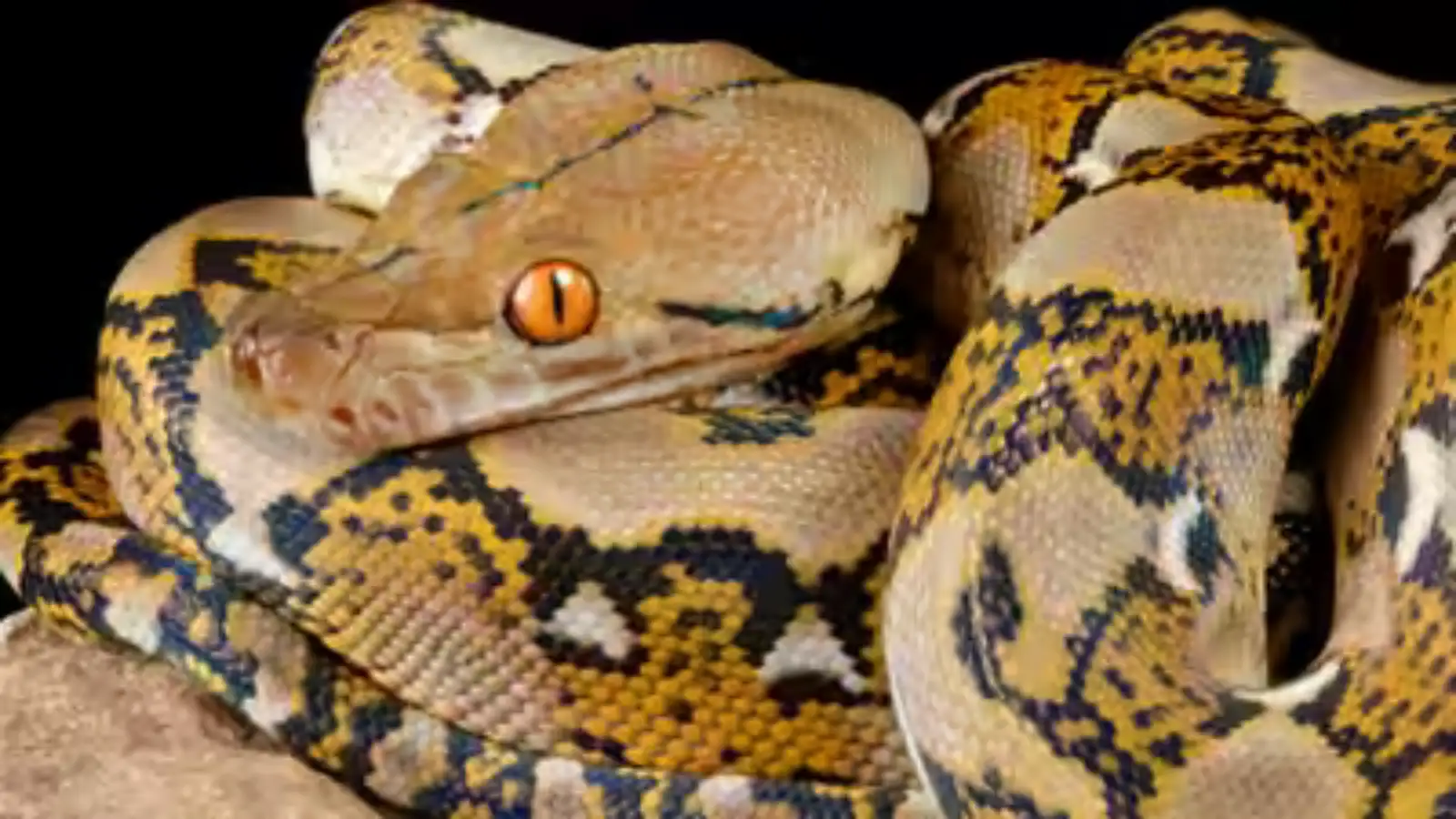
A widely accepted explanation is that early snake ancestors were adapted to life underground or in burrows. Moving through soil and tight spaces would have exposed their eyes to dust, sand and constant friction. A fixed, transparent covering could provide protection without the risk of a conventional eyelid being damaged or obstructed.
Over evolutionary time, snakes moved into a huge variety of habitats. Today, they can be found in deserts, forests, grasslands, trees and water. Yet the spectacle remained because it became a permanent part of snake anatomy rather than an adaptation limited to a particular modern habitat.
Research published in the journal Animals examined the anatomy and function of the spectacle, the space beneath it and the associated tear-drainage system in squamates.
The spectacle is not an artificial-looking shield placed over the eyeball. It is actually part of the snake's skin and is continuous with the surrounding scales. This allows it to protect the delicate eye while remaining transparent enough for the snake to see.
Because there is no eyelid to move across the eye, the spectacle remains in place throughout the snake's normal activities. It protects the eye from environmental particles while allowing vision to continue.
This happens because the spectacle is replaced along with the rest of the snake's outer skin. The transparent covering contains layers of keratin, the tough protein also found in scales, hair and claws.
As a new layer develops underneath the old skin, the two layers temporarily separate. Fluid and changes in the tissues between them can make the spectacle appear dull, milky or blue.
This is why a snake may look as though it has suddenly developed cloudy eyes shortly before moulting. Once the old skin is shed, the new spectacle becomes clear again.
The process then repeats during future moults, effectively giving the snake a continually renewed protective covering for its eyes.
Researcher Kevin van Doorn of the University of Waterloo investigated the structure while studying how snakes focus their vision. Although blood vessels in snake spectacles had been mentioned in scientific observations dating back to the 19th century, their behaviour offered an especially interesting clue about how the system works.
The vessels do not simply remain in one fixed state. Their blood flow can change depending on the snake's condition.
When the vessels narrow, less blood passes through the transparent covering. This can help keep the spectacle clearer at a time when the snake may need its vision to detect danger or respond quickly.
In resting snakes, blood flow through these vessels can occur in cycles, with periods when the vessels carry blood and periods when they do not. During activity, the vessels can remain constricted for longer.
The pattern also changes around the shedding process, with the vessels becoming more dilated during the period when the spectacle is being renewed.
Snakes use a very different system.
Their spectacle provides physical protection, while a specialised tear-drainage system helps maintain the eye beneath the transparent covering. This allows the snake to keep its eyes protected without needing to repeatedly open and close an eyelid.
In other words, what looks like a permanently open eye is actually an eye operating behind a specialised biological window.
Because there is no blinking or visible eyelid movement, a snake's eyes remain exposed-looking even when the animal is resting. The transparent spectacle creates the impression that the snake is constantly watching its surroundings.
This appearance is therefore not necessarily a sign of aggression. It is simply the result of an unusual evolutionary solution to eye protection.
The fact that essentially all modern snakes share this basic eye structure also highlights its deep evolutionary roots. Whether a snake lives underground, in a desert, in a forest canopy or in water, it carries this inherited solution to the challenge of protecting its eyes.
So, the next time a snake appears to be staring without blinking, there is more happening than meets the eye. Its seemingly simple transparent eye covering is actually a sophisticated biological system that protects vision while adapting to everything from everyday activity to the stressful moments when danger is near.
Why Don't Snakes Have Eyelids?
Unlike humans and many other animals, snakes cannot close their eyes. Their ancestors gradually evolved without movable eyelids, a feature researchers generally associate with the evolutionary history of snakes.A widely accepted explanation is that early snake ancestors were adapted to life underground or in burrows. Moving through soil and tight spaces would have exposed their eyes to dust, sand and constant friction. A fixed, transparent covering could provide protection without the risk of a conventional eyelid being damaged or obstructed.
Over evolutionary time, snakes moved into a huge variety of habitats. Today, they can be found in deserts, forests, grasslands, trees and water. Yet the spectacle remained because it became a permanent part of snake anatomy rather than an adaptation limited to a particular modern habitat.
Research published in the journal Animals examined the anatomy and function of the spectacle, the space beneath it and the associated tear-drainage system in squamates.
What Is the Transparent Scale Over a Snake's Eye?
The shiny layer covering a snake's eye is called a spectacle or brille. It essentially acts as a permanent protective window over the eye.The spectacle is not an artificial-looking shield placed over the eyeball. It is actually part of the snake's skin and is continuous with the surrounding scales. This allows it to protect the delicate eye while remaining transparent enough for the snake to see.
Because there is no eyelid to move across the eye, the spectacle remains in place throughout the snake's normal activities. It protects the eye from environmental particles while allowing vision to continue.
Why Do Snake Eyes Turn Cloudy Before Shedding?
One of the strangest things about snake eyes is their ability to become cloudy or bluish before the animal sheds its skin.This happens because the spectacle is replaced along with the rest of the snake's outer skin. The transparent covering contains layers of keratin, the tough protein also found in scales, hair and claws.
As a new layer develops underneath the old skin, the two layers temporarily separate. Fluid and changes in the tissues between them can make the spectacle appear dull, milky or blue.
This is why a snake may look as though it has suddenly developed cloudy eyes shortly before moulting. Once the old skin is shed, the new spectacle becomes clear again.
The process then repeats during future moults, effectively giving the snake a continually renewed protective covering for its eyes.
Snake Spectacles Are Not Completely Blood-Free
At first glance, the spectacle appears to be nothing more than a clear sheet covering the eye. But scientists have found something much more surprising: the spectacle contains blood vessels.Researcher Kevin van Doorn of the University of Waterloo investigated the structure while studying how snakes focus their vision. Although blood vessels in snake spectacles had been mentioned in scientific observations dating back to the 19th century, their behaviour offered an especially interesting clue about how the system works.
The vessels do not simply remain in one fixed state. Their blood flow can change depending on the snake's condition.
What Happens to a Snake's Eye When It Feels Threatened?
The blood vessels within the spectacle can constrict when a snake becomes threatened or highly alert.When the vessels narrow, less blood passes through the transparent covering. This can help keep the spectacle clearer at a time when the snake may need its vision to detect danger or respond quickly.
In resting snakes, blood flow through these vessels can occur in cycles, with periods when the vessels carry blood and periods when they do not. During activity, the vessels can remain constricted for longer.
The pattern also changes around the shedding process, with the vessels becoming more dilated during the period when the spectacle is being renewed.
How Do Snakes Protect Their Eyes Without Blinking?
For humans, blinking performs several jobs. It helps spread tears across the eye, removes small particles and protects the surface from the environment.Snakes use a very different system.
Their spectacle provides physical protection, while a specialised tear-drainage system helps maintain the eye beneath the transparent covering. This allows the snake to keep its eyes protected without needing to repeatedly open and close an eyelid.
In other words, what looks like a permanently open eye is actually an eye operating behind a specialised biological window.
You may also like
- Lessons From Krishna on Dharma, Devotion and Inner Strength
- Quote of the Day by Leo Tolstoy, "When you love someone, you love the person as they are, and not as you'd....”
- That 'Banarasi' saree may not be Banarasi at all: 7 ways to tell an authentic handloom from a powerloom copy
- Before he died in 2013, an Ohio man gave his son a final mission: use a metal detector to find the wedding ring he lost in the yard nearly 50 years ago
- Meet Tanvi: NEET-PG aspirant takes exam in tears as parents remain missing after Nepal floods: 'I have to do it for them'
Why Snake Eyes Always Look Like They Are Staring
The spectacle is also responsible for one of the most recognisable features of a snake: its intense, seemingly permanent stare.Because there is no blinking or visible eyelid movement, a snake's eyes remain exposed-looking even when the animal is resting. The transparent spectacle creates the impression that the snake is constantly watching its surroundings.
This appearance is therefore not necessarily a sign of aggression. It is simply the result of an unusual evolutionary solution to eye protection.
A Remarkable Example of Evolutionary Adaptation
The snake's spectacle is much more than a transparent covering. It is part of the skin, protects the eye, is renewed during shedding and contains a dynamic network of blood vessels.The fact that essentially all modern snakes share this basic eye structure also highlights its deep evolutionary roots. Whether a snake lives underground, in a desert, in a forest canopy or in water, it carries this inherited solution to the challenge of protecting its eyes.
So, the next time a snake appears to be staring without blinking, there is more happening than meets the eye. Its seemingly simple transparent eye covering is actually a sophisticated biological system that protects vision while adapting to everything from everyday activity to the stressful moments when danger is near.






Loving Newspoint? Download the app now
