
Why Some Cities Feel Hotter Than Their Actual Temperature<b> </b>

During hot summer months, walking through a major city can feel like stepping directly into an oven. Even when your smartphone weather application displays a reasonable figure, stepping onto an urban pavement often delivers a suffocating wave of heat. You are not simply imagining this sudden temperature jump. The physical environment of modern urban centers changes how warmth is trapped, radiated, and experienced by the human body. There are clear scientific, geographical, and architectural reasons why some cities feel hotter than their actual temperature .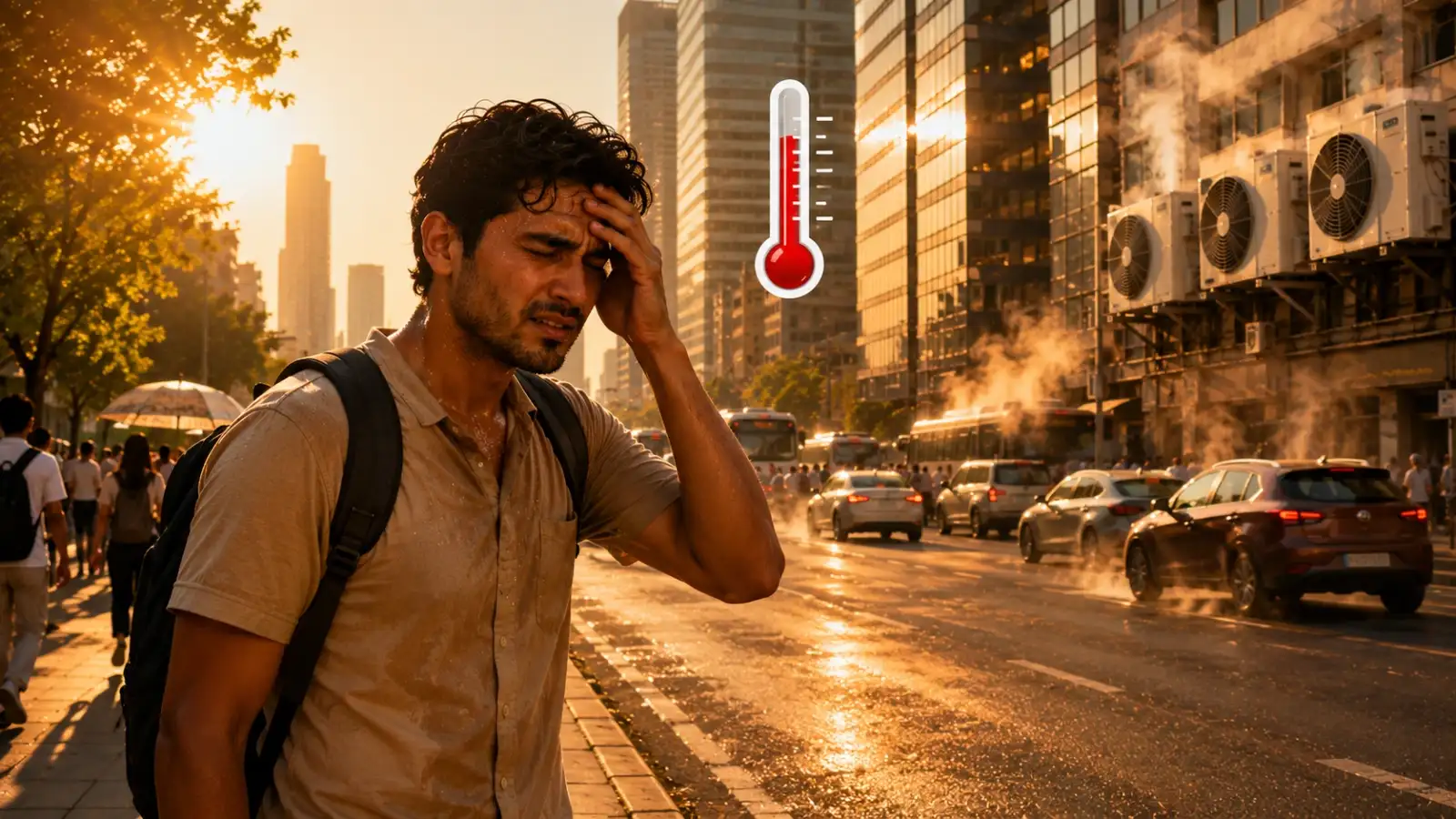
These man made construction materials absorb huge amounts of solar energy throughout the daylight hours. Instead of allowing heat to dissipate, heavy materials store energy and slowly radiate it back into the surrounding air long after the sun goes down. Dark asphalt roads are particularly effective at absorbing light and heat, turning entire road networks into massive thermal pads. This constant thermal radiation prevents urban environments from cooling off during the night, keeping city streets significantly warmer than nearby countryside spaces.
When city air carries high humidity, sweat cannot evaporate efficiently from your skin. This reduced cooling ability makes warm conditions feel vastly more intense than the official thermometer reading suggests. Furthermore, tall skyscrapers and dense apartment blocks create artificial canyons that block natural wind currents. Without steady air movement to sweep away stagnant warm air and speed up sweat evaporation, heat builds up between tall buildings, making crowded shopping districts feel far hotter than surrounding open parks.
Additionally, our modern reliance on air conditioning creates a vicious environmental cycle. As residents and business owners turn up their air conditioning to cool down indoor offices, these powerful units push massive amounts of hot waste air out onto the street. Thousands of air conditioning units running simultaneously across a central district can raise local street temperatures by several degrees. Understanding why some cities feel hotter than their actual temperature highlights the urgent need for green urban planning , roof gardens, and tree lined avenues to keep our urban living spaces comfortable for everyone.
The Urban Heat Island Effect and Heat Trapping Materials
The primary cause of elevated urban warmth is a phenomenon known as the urban heat island effect. Rural areas are covered in natural soil, lush grass, and tall trees, which absorb moisture and cool the surrounding air through natural evaporation. In sharp contrast, modern urban landscapes consist of dense asphalt roads, concrete pavements, dark roofs, and steel structures.These man made construction materials absorb huge amounts of solar energy throughout the daylight hours. Instead of allowing heat to dissipate, heavy materials store energy and slowly radiate it back into the surrounding air long after the sun goes down. Dark asphalt roads are particularly effective at absorbing light and heat, turning entire road networks into massive thermal pads. This constant thermal radiation prevents urban environments from cooling off during the night, keeping city streets significantly warmer than nearby countryside spaces.
Humidity, Air Movement, and Human Sensation
Another vital factor influencing how we experience urban heat is the interaction between atmospheric humidity and local air circulation. Official weather stations measure air temperature in shaded, well ventilated conditions. However, the human body perceives temperature through its ability to cool itself down via sweat evaporation.When city air carries high humidity, sweat cannot evaporate efficiently from your skin. This reduced cooling ability makes warm conditions feel vastly more intense than the official thermometer reading suggests. Furthermore, tall skyscrapers and dense apartment blocks create artificial canyons that block natural wind currents. Without steady air movement to sweep away stagnant warm air and speed up sweat evaporation, heat builds up between tall buildings, making crowded shopping districts feel far hotter than surrounding open parks.
Waste Heat from Vehicles and Air Conditioning Units
Urban areas also generate a massive amount of artificial heat through daily human activity. Every motor vehicle idling in traffic burns fuel and releases hot exhaust fumes directly onto pedestrian footpaths. Heavy industrial machinery, public transport systems, and underground trains continuously pump extra thermal energy into street level air.Additionally, our modern reliance on air conditioning creates a vicious environmental cycle. As residents and business owners turn up their air conditioning to cool down indoor offices, these powerful units push massive amounts of hot waste air out onto the street. Thousands of air conditioning units running simultaneously across a central district can raise local street temperatures by several degrees. Understanding why some cities feel hotter than their actual temperature highlights the urgent need for green urban planning , roof gardens, and tree lined avenues to keep our urban living spaces comfortable for everyone.
Next Story