
How Do Starfish Regrow Lost Arms? The Science Behind Their Amazing Ability

Starfish, also known as sea stars, have a remarkable ability that helps them survive injuries and attacks from predators. Many species can regrow lost or damaged arms, gradually rebuilding tissues that include muscles, nerves and the tiny tube feet used for movement. For an animal living on the ocean floor, this ability can make a significant difference to its chances of survival.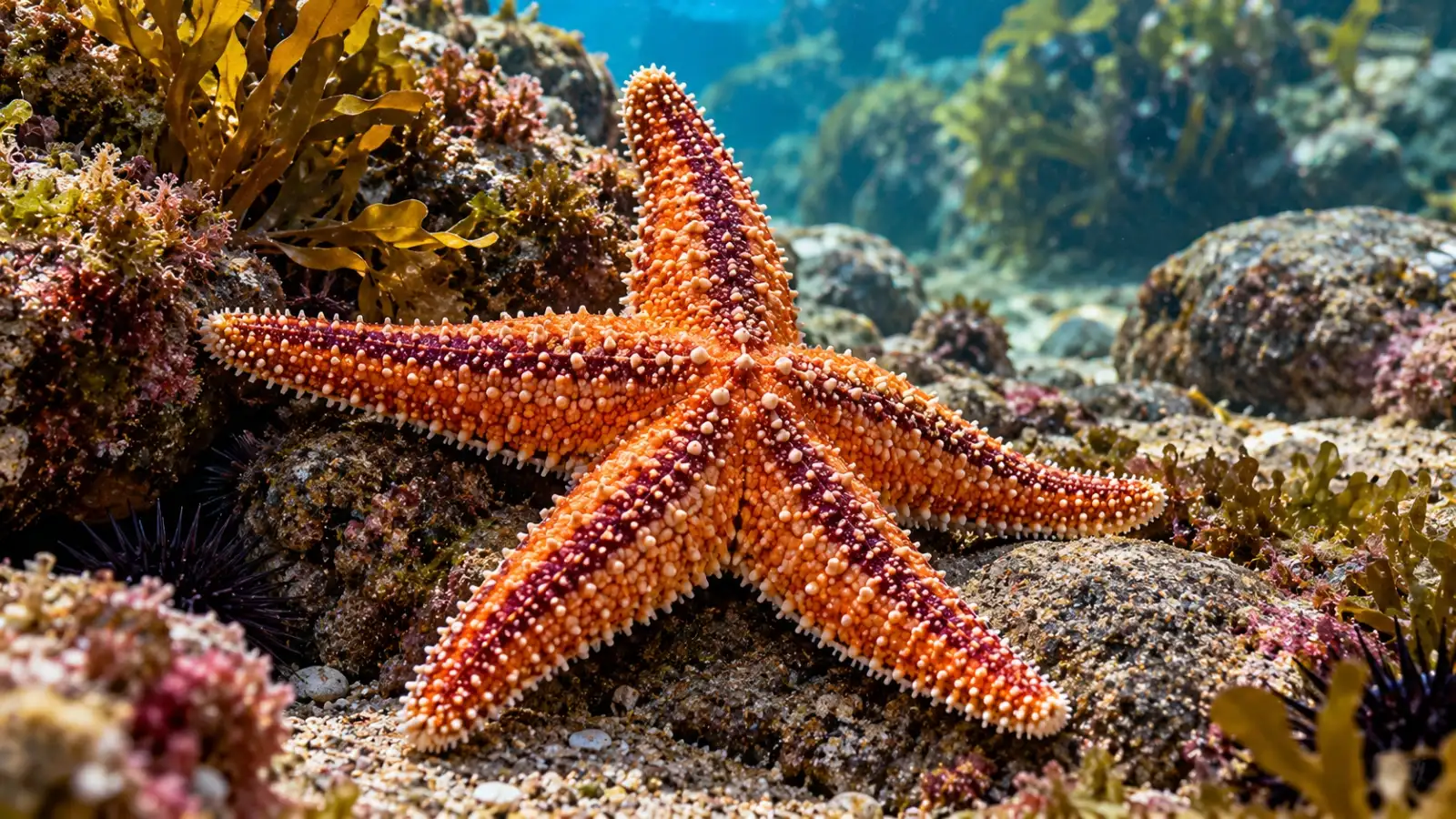
However, starfish regeneration is not identical across all species. Some can replace a missing arm, while a smaller number can regenerate much more of their body from a detached fragment. Understanding how this process works reveals why these marine animals are so unusual.
Accidents and environmental hazards can also damage their arms. Instead of permanently losing the affected structure, many starfish can gradually rebuild it.
Regeneration does not happen instantly. The animal must first protect the injured area and then produce the tissues needed to replace the missing parts. Depending on the species, the extent of the injury and environmental conditions, the process may take several months or longer.
A newly regenerating arm may initially look like a small projection. Over time, it grows and develops the structures required for normal movement and other functions.
This is not the same as every injury causing an arm to fall off. Autotomy is a biological response that occurs in particular circumstances and varies between species.
The detached arm does not necessarily survive or grow into a new starfish. In most cases, the original animal is the one that benefits from regeneration by replacing the lost limb.
This strategy illustrates an important survival trade-off: losing an arm may temporarily affect movement and feeding, but escaping a predator can be more valuable than retaining the limb.
Once the wound is stabilised, the animal begins reorganising cells near the injury. Some cells can change their specialised characteristics, while other cells divide and contribute to new tissue.
Scientists call one part of this process dedifferentiation, in which certain mature cells lose some of their specialised features. These cells can then participate in rebuilding structures that were lost.
Regeneration involves several coordinated biological processes rather than simply growing more tissue. The animal must restore the correct arrangement of nerves, muscles, supporting structures and other components.
Researchers are still investigating how starfish coordinate these steps and determine exactly which structures need to be rebuilt.
Their body plan differs from that of many familiar animals. Most starfish have a central disc with arms extending outwards, while their underside contains rows of tube feet that help them move and handle food.
Many of their essential structures extend into the arms. This anatomy is one reason arm damage can affect several functions at once, but it also provides a framework that can be rebuilt during regeneration.
The central disc is particularly important. In many species, the surviving animal needs enough of this central region to remain intact to regenerate a lost arm successfully.
The ability to rebuild an arm therefore depends not only on having regenerative cells but also on the location and extent of the injury.
During early stages, the replacement arm may be short and noticeably different from the original limbs. As growth continues, its shape and proportions become more developed.
The time required varies considerably. Some starfish may show substantial regrowth over several months, while complete restoration can take longer depending on the species, water temperature, food availability and severity of the injury.
A starfish with a newly growing arm may also need to manage its energy carefully. Resources used for regeneration are resources that cannot be used for every other biological activity at the same time.
This makes regeneration an impressive but gradual process rather than an instant repair mechanism.
The blue sea star, Linckia laevigata, is a well-known example associated with this type of regenerative ability. Certain other species can also reproduce through fragmentation.
However, this ability should not be generalised to all starfish. A detached arm from many species cannot develop into a complete animal on its own.
When fragmentation results in new individuals, it is a form of asexual reproduction. The process requires the fragment to rebuild missing body structures, which is a more extensive task than replacing one arm on a surviving starfish.
A starfish also needs sufficient energy and suitable environmental conditions to support regrowth. Poor food availability, unfavourable water conditions and disease can affect its ability to recover.
Regeneration can restore lost structures, but it does not guarantee survival after every injury. The outcome depends on the species and the nature of the damage.
This is why it is misleading to assume that a starfish can always recover from being cut into pieces. Its regenerative abilities have specific biological limits.
This research can contribute to a broader understanding of regeneration across the animal kingdom. Different species have different capabilities, so findings from starfish cannot automatically be applied to humans.
Human bodies can repair wounds and regenerate certain tissues, but they cannot naturally regrow a complete arm in the way some marine animals can.
By studying organisms with stronger regenerative abilities, researchers hope to better understand the cellular signals and biological processes involved in tissue repair.
The process takes time and depends on the species, the extent of the injury and the condition of the animal. Not every starfish can grow a complete new individual from a detached arm, and regeneration does not guarantee survival.
Even with these limits, starfish remain valuable examples of how life can repair and rebuild complex body parts. Their abilities continue to help scientists explore some of the most intriguing questions in marine biology.
However, starfish regeneration is not identical across all species. Some can replace a missing arm, while a smaller number can regenerate much more of their body from a detached fragment. Understanding how this process works reveals why these marine animals are so unusual.
1. Regeneration Helps Starfish Recover From Injuries
One of the main reasons starfish regenerate their arms is to recover from damage. Predators such as crabs and other marine animals may bite or tear away part of a starfish while attempting to eat it.Accidents and environmental hazards can also damage their arms. Instead of permanently losing the affected structure, many starfish can gradually rebuild it.
Regeneration does not happen instantly. The animal must first protect the injured area and then produce the tissues needed to replace the missing parts. Depending on the species, the extent of the injury and environmental conditions, the process may take several months or longer.
A newly regenerating arm may initially look like a small projection. Over time, it grows and develops the structures required for normal movement and other functions.
2. Some Starfish Can Deliberately Release an Arm
Certain starfish can shed an arm as a defensive response, a process known as autotomy. If a predator grabs an arm, the starfish may detach it and escape while the predator remains occupied with the discarded part.This is not the same as every injury causing an arm to fall off. Autotomy is a biological response that occurs in particular circumstances and varies between species.
The detached arm does not necessarily survive or grow into a new starfish. In most cases, the original animal is the one that benefits from regeneration by replacing the lost limb.
This strategy illustrates an important survival trade-off: losing an arm may temporarily affect movement and feeding, but escaping a predator can be more valuable than retaining the limb.
3. The Regeneration Process Begins With Wound Healing
Before a starfish can rebuild an arm, it must protect the damaged area. Specialised cells help cover the exposed surface, forming a protective layer that reduces further tissue damage.Once the wound is stabilised, the animal begins reorganising cells near the injury. Some cells can change their specialised characteristics, while other cells divide and contribute to new tissue.
Scientists call one part of this process dedifferentiation, in which certain mature cells lose some of their specialised features. These cells can then participate in rebuilding structures that were lost.
Regeneration involves several coordinated biological processes rather than simply growing more tissue. The animal must restore the correct arrangement of nerves, muscles, supporting structures and other components.
Researchers are still investigating how starfish coordinate these steps and determine exactly which structures need to be rebuilt.
4. Starfish Have Body Structures That Support Regrowth
Starfish belong to a group of marine animals called echinoderms, which also includes sea urchins, brittle stars and sea cucumbers.Their body plan differs from that of many familiar animals. Most starfish have a central disc with arms extending outwards, while their underside contains rows of tube feet that help them move and handle food.
Many of their essential structures extend into the arms. This anatomy is one reason arm damage can affect several functions at once, but it also provides a framework that can be rebuilt during regeneration.
The central disc is particularly important. In many species, the surviving animal needs enough of this central region to remain intact to regenerate a lost arm successfully.
The ability to rebuild an arm therefore depends not only on having regenerative cells but also on the location and extent of the injury.
5. New Arms Take Time to Develop
A regenerating arm must become more than a simple extension of the body. It needs supporting structures, muscle tissue, nerves and tube feet to function properly.During early stages, the replacement arm may be short and noticeably different from the original limbs. As growth continues, its shape and proportions become more developed.
The time required varies considerably. Some starfish may show substantial regrowth over several months, while complete restoration can take longer depending on the species, water temperature, food availability and severity of the injury.
A starfish with a newly growing arm may also need to manage its energy carefully. Resources used for regeneration are resources that cannot be used for every other biological activity at the same time.
This makes regeneration an impressive but gradual process rather than an instant repair mechanism.
6. Can a Detached Arm Grow Into a Whole New Starfish?
This is where starfish become particularly fascinating. In a few species, a detached arm or body fragment can develop into a complete new individual, provided it contains the necessary tissue, often including part of the central disc.The blue sea star, Linckia laevigata, is a well-known example associated with this type of regenerative ability. Certain other species can also reproduce through fragmentation.
However, this ability should not be generalised to all starfish. A detached arm from many species cannot develop into a complete animal on its own.
When fragmentation results in new individuals, it is a form of asexual reproduction. The process requires the fragment to rebuild missing body structures, which is a more extensive task than replacing one arm on a surviving starfish.
7. Regeneration Supports Survival, but It Has Limits
Although starfish can regrow lost arms, regeneration does not make them invulnerable. Severe damage to the central disc or major internal structures can be fatal, and an injured animal may be vulnerable to infection or other stress.A starfish also needs sufficient energy and suitable environmental conditions to support regrowth. Poor food availability, unfavourable water conditions and disease can affect its ability to recover.
Regeneration can restore lost structures, but it does not guarantee survival after every injury. The outcome depends on the species and the nature of the damage.
This is why it is misleading to assume that a starfish can always recover from being cut into pieces. Its regenerative abilities have specific biological limits.
8. Scientists Study Starfish to Understand Regeneration
Starfish provide useful opportunities for studying how complex tissues repair themselves. Scientists investigate how cells respond to injury, how new structures develop and how the animal restores the arrangement of its body.You may also like
- “I was denied entry to a temple for wearing shorts”: Meet Nehaa Bhatt, who lost a leg in a bus accident in 2021 but rebuilt her life with Ampu-Tea, dances Garba and takes on Himalayan pilgrimages with a prosthetic leg
- Dr. Surakasi Raviteja: The professor who completed 16 NPTEL courses while teaching full-time and is still learning eight more, proving that education need not end at graduation
- Can You Drive During Pregnancy? Safety Tips for Every Trimester
- “Everyone thought I was crazy”: 26-year-old super-commuter flies from Los Angeles to San Francisco for work 3 days a week, and calls it the “best of both worlds”
- EPFO New Update: Deadline for filing PF returns extended; complete the task by October 31..
This research can contribute to a broader understanding of regeneration across the animal kingdom. Different species have different capabilities, so findings from starfish cannot automatically be applied to humans.
Human bodies can repair wounds and regenerate certain tissues, but they cannot naturally regrow a complete arm in the way some marine animals can.
By studying organisms with stronger regenerative abilities, researchers hope to better understand the cellular signals and biological processes involved in tissue repair.
Why Starfish Regeneration Is So Remarkable
Starfish regenerate lost arms because their bodies retain the ability to heal wounds, reorganise cells and rebuild complex structures. In some species, this helps them recover from predator attacks or accidental injuries. In a smaller group, fragmentation can also contribute to asexual reproduction.The process takes time and depends on the species, the extent of the injury and the condition of the animal. Not every starfish can grow a complete new individual from a detached arm, and regeneration does not guarantee survival.
Even with these limits, starfish remain valuable examples of how life can repair and rebuild complex body parts. Their abilities continue to help scientists explore some of the most intriguing questions in marine biology.






Loving Newspoint? Download the app now
