
Why Street Food Feels More Authentic Than Restaurant Food

One of the primary reasons street food feels remarkably authentic is total transparency. In traditional restaurants, food preparation takes place behind closed doors, separating the diner from the culinary process. Street vendors operate completely out in the open, allowing customers to watch every action firsthand. You see raw ingredients chopped, fresh herbs tossed, and meats sizzle over red hot coals right in front of your eyes. This raw, unfiltered view creates an immediate connection to your meal. Watching skilled cooks prepare regional recipes using traditional techniques offers a genuine sensory performance that polished dining rooms simply cannot recreate.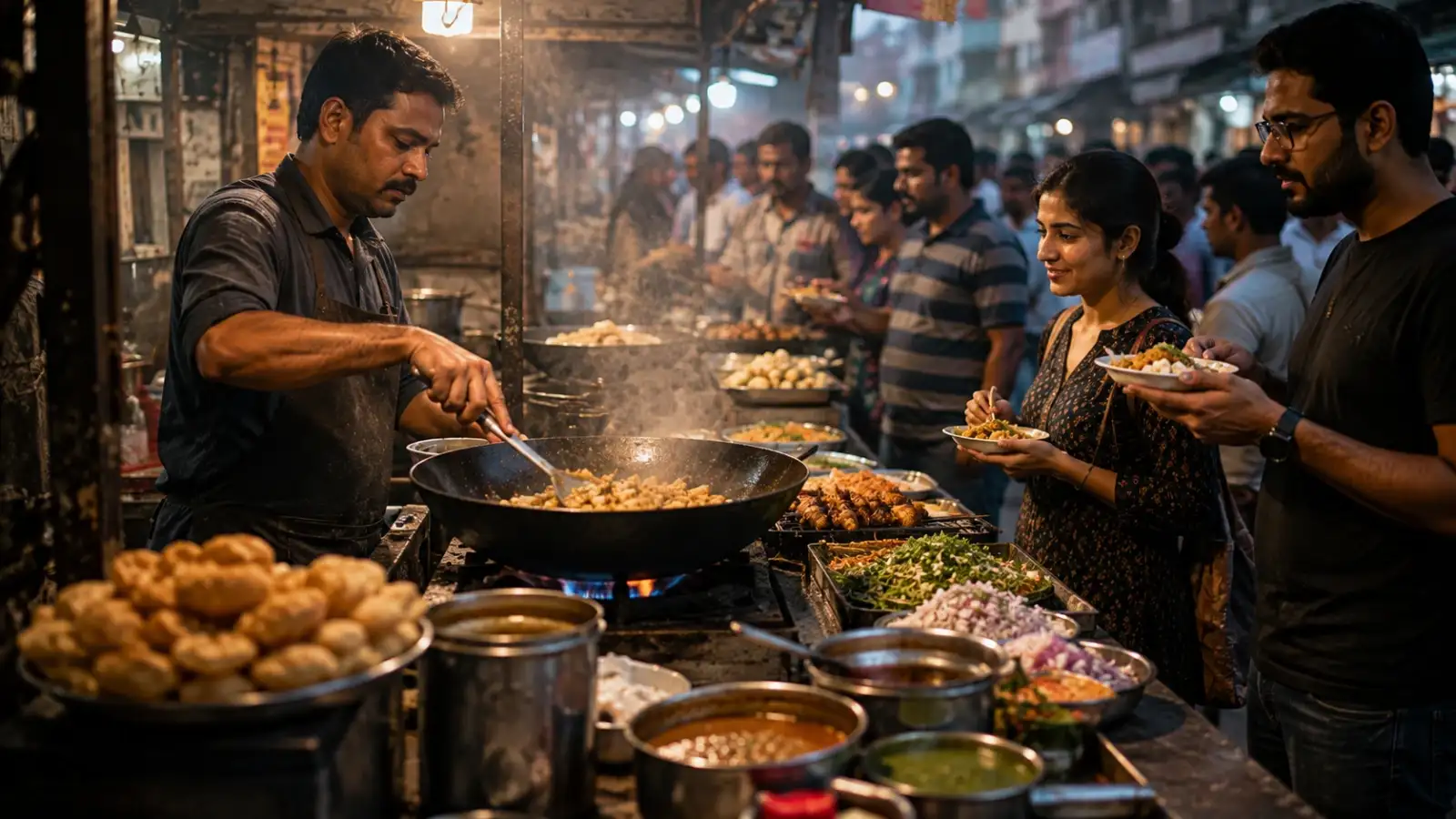
Time Honoured Family Recipes and Culinary Specialization
While upscale restaurants often boast extensive menus featuring dozens of complex dishes, street vendors typically focus on mastering just one or two traditional items. Many street food stalls are family run operations passed down through generations, relying on decades of refined techniques and secret spice blends. This high specialization means vendors hone their specific craft to absolute perfection over many years. Because they focus entirely on perfecting single items like tacos, noodle soups, or grilled skewers, the resulting flavours taste deeply authentic, carrying the rich heritage and distinct identity of the local culture.
Immersive Sensory Environments and High Freshness Turnover
Taste involves far more than just your taste buds; it is heavily influenced by your surrounding physical environment. Steaming cauldrons, smoky grills, crackling oil, and aromatic spices filling the open air engage your senses long before you take a single bite. Additionally, successful street stalls depend on rapid customer turnover to stay in business. High demand forces vendors to cook small batches continuously using fresh local ingredients throughout the day. Eating hot food straight off a flaming wok or tawa in a bustling outdoor market delivers an unmistakable freshness that sitting down in a formal dining room rarely matches.
Cultural Democracy and Unpretentious Shared Experiences
Restaurant dining often comes with strict formal etiquette, dress codes, and artificial service scripts that can feel impersonal or performative. Street food operates as a completely unpretentious social equalizer where people from all walks of life gather around humble food carts. Standing on a pavement, sitting on plastic stools, or chatting with the cook removes social barriers and encourages spontaneous human interaction. Eating regional dishes in the exact environment where locals eat daily offers a real, unvarnished glimpse into a city's true lifestyle and community traditions.
Adapting to Local Palates Without Commercial Dilution
Mainstream restaurants often alter traditional recipes to cater to broad commercial tastes, tone down intense regional spices, or adapt presentation for social media trends. Conversely, local street vendors cook primarily for their immediate community, keeping traditional flavour profiles intact. They use time-tested regional produce, indigenous herbs, and authentic cooking fats that define regional heritage. By refusing to dilute bold flavours for corporate standardization, street food preserves the true culinary roots of a destination, delivering an authentic taste of local food culture with every serving.
Time Honoured Family Recipes and Culinary Specialization
While upscale restaurants often boast extensive menus featuring dozens of complex dishes, street vendors typically focus on mastering just one or two traditional items. Many street food stalls are family run operations passed down through generations, relying on decades of refined techniques and secret spice blends. This high specialization means vendors hone their specific craft to absolute perfection over many years. Because they focus entirely on perfecting single items like tacos, noodle soups, or grilled skewers, the resulting flavours taste deeply authentic, carrying the rich heritage and distinct identity of the local culture.
You may also like
- Basque waist is fashion next favourite. What is it?
- How much will you earn on an FD of ₹20,000 to ₹1 lakh? Understand the full breakdown.
- Does the first husband still have to pay alimony if the wife remarries? Here is what the law says.
- When 'I'm fine' means anything but fine
- Puffy Eyes in the Morning? These Simple Changes May Help
Immersive Sensory Environments and High Freshness Turnover
Taste involves far more than just your taste buds; it is heavily influenced by your surrounding physical environment. Steaming cauldrons, smoky grills, crackling oil, and aromatic spices filling the open air engage your senses long before you take a single bite. Additionally, successful street stalls depend on rapid customer turnover to stay in business. High demand forces vendors to cook small batches continuously using fresh local ingredients throughout the day. Eating hot food straight off a flaming wok or tawa in a bustling outdoor market delivers an unmistakable freshness that sitting down in a formal dining room rarely matches.
Cultural Democracy and Unpretentious Shared Experiences
Restaurant dining often comes with strict formal etiquette, dress codes, and artificial service scripts that can feel impersonal or performative. Street food operates as a completely unpretentious social equalizer where people from all walks of life gather around humble food carts. Standing on a pavement, sitting on plastic stools, or chatting with the cook removes social barriers and encourages spontaneous human interaction. Eating regional dishes in the exact environment where locals eat daily offers a real, unvarnished glimpse into a city's true lifestyle and community traditions.
Adapting to Local Palates Without Commercial Dilution
Mainstream restaurants often alter traditional recipes to cater to broad commercial tastes, tone down intense regional spices, or adapt presentation for social media trends. Conversely, local street vendors cook primarily for their immediate community, keeping traditional flavour profiles intact. They use time-tested regional produce, indigenous herbs, and authentic cooking fats that define regional heritage. By refusing to dilute bold flavours for corporate standardization, street food preserves the true culinary roots of a destination, delivering an authentic taste of local food culture with every serving.






Loving Newspoint? Download the app now
