
Why Does Tea Taste Different in a Kulhad, Glass and Ceramic Cup?

Ask a chai lover how they prefer their tea and the answer may involve much more than the strength of the brew. Some swear by chai served in a traditional clay kulhad, others prefer a glass, while many reach for a favourite ceramic mug at home.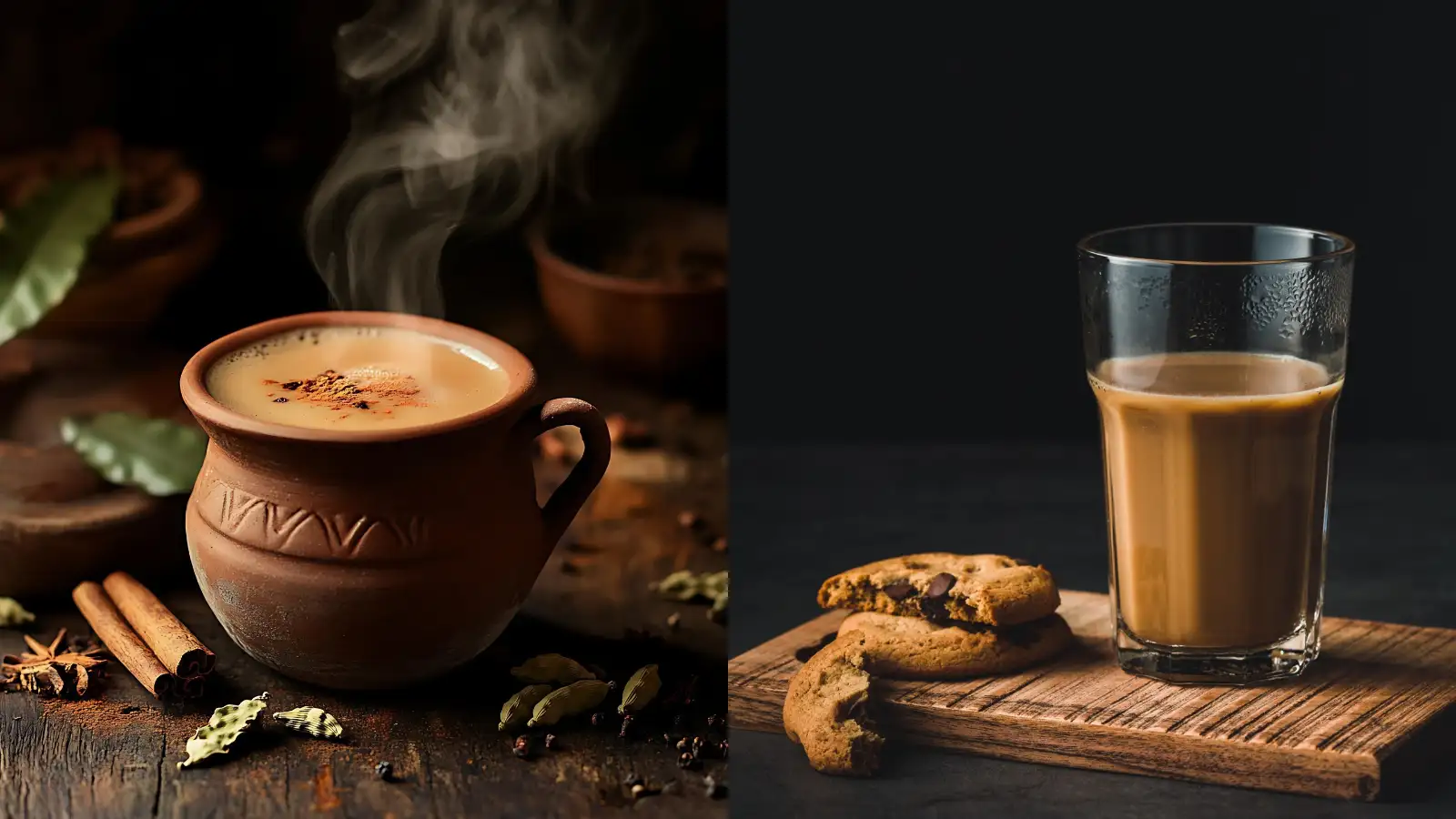
The tea might contain exactly the same ingredients, yet the drinking experience can feel surprisingly different. This is partly because flavour is influenced by more than what happens inside the teapot.
An unglazed clay kulhad has a porous surface, although the extent of its porosity depends on how it is made and fired. Its earthy smell may contribute to the overall aroma of the drink, particularly when the vessel is new.
However, it would be inaccurate to say that every kulhad automatically adds a strong clay flavour. The effect depends on the clay, the manufacturing process and the characteristics of the tea.
The setting also matters. Drinking chai from a kulhad at a busy station can bring together the sounds, smells and memories of travel, making the experience feel distinctive.
Glass does not generally contribute a strong flavour of its own, provided it is clean and suitable for hot beverages. This makes it useful for appreciating the appearance of the drink.
Heat retention depends on the type and thickness of the glass. A thin glass can transfer heat quickly to the hand and may become uncomfortable to hold when filled with very hot tea.
That difference can influence how quickly someone drinks the chai and how warm it feels.
A favourite ceramic mug may also carry emotional associations. Drinking tea from the same cup every morning can become part of a comforting routine.
The cup's rim, shape and size influence how the drink reaches the mouth. These physical details, alongside the tea's temperature and aroma, contribute to the overall experience.
A familiar kulhad might remind someone of winter travel, whereas a ceramic mug could bring back memories of home. These associations can make the same tea feel more satisfying in different settings.
The cup does not necessarily transform the ingredients. Instead, it changes some of the conditions in which we experience them.
So, the next time you enjoy chai, pay attention to the vessel as well as the brew. The difference might be in the aroma, the temperature, the texture or simply the memories that arrive with the first sip.
The tea might contain exactly the same ingredients, yet the drinking experience can feel surprisingly different. This is partly because flavour is influenced by more than what happens inside the teapot.
The earthy appeal of kulhad chai
A kulhad is a small cup traditionally made from clay. It is closely associated with roadside tea stalls, railway platforms and the familiar experience of drinking hot chai while travelling.An unglazed clay kulhad has a porous surface, although the extent of its porosity depends on how it is made and fired. Its earthy smell may contribute to the overall aroma of the drink, particularly when the vessel is new.
However, it would be inaccurate to say that every kulhad automatically adds a strong clay flavour. The effect depends on the clay, the manufacturing process and the characteristics of the tea.
The setting also matters. Drinking chai from a kulhad at a busy station can bring together the sounds, smells and memories of travel, making the experience feel distinctive.
Why tea in a glass feels different
A glass offers a different experience because it allows the colour of the tea to remain visible. The rich brown shade, the milkiness and the steam rising from the surface all become part of the presentation.Glass does not generally contribute a strong flavour of its own, provided it is clean and suitable for hot beverages. This makes it useful for appreciating the appearance of the drink.
Heat retention depends on the type and thickness of the glass. A thin glass can transfer heat quickly to the hand and may become uncomfortable to hold when filled with very hot tea.
That difference can influence how quickly someone drinks the chai and how warm it feels.
Ceramic cups and the comfort factor
Ceramic cups are popular because they come in different shapes, thicknesses and finishes. Their walls can help retain heat, depending on the design, while handles make hot drinks easier to hold.A favourite ceramic mug may also carry emotional associations. Drinking tea from the same cup every morning can become part of a comforting routine.
The cup's rim, shape and size influence how the drink reaches the mouth. These physical details, alongside the tea's temperature and aroma, contribute to the overall experience.
The science of flavour goes beyond the recipe
Our sense of taste works alongside smell, temperature, texture and visual cues. The aroma released by tea helps shape its flavour, while expectations can influence what we think we are tasting.A familiar kulhad might remind someone of winter travel, whereas a ceramic mug could bring back memories of home. These associations can make the same tea feel more satisfying in different settings.
The cup does not necessarily transform the ingredients. Instead, it changes some of the conditions in which we experience them.
So, the next time you enjoy chai, pay attention to the vessel as well as the brew. The difference might be in the aroma, the temperature, the texture or simply the memories that arrive with the first sip.
Next Story