
Floating Markets of Thailand: A Journey Through Culture, Food and Shopping

Thailand’s floating markets are among the country’s most fascinating cultural attractions. Built along canals and rivers, these lively markets offer visitors a glimpse into a traditional way of life where vendors sell goods directly from wooden boats. From fresh tropical fruits and local street food to handicrafts and souvenirs, floating markets combine shopping, culture, and sightseeing in one unforgettable experience. While some markets remain deeply rooted in local life, others have evolved into major tourist attractions, each offering its own charm and atmosphere.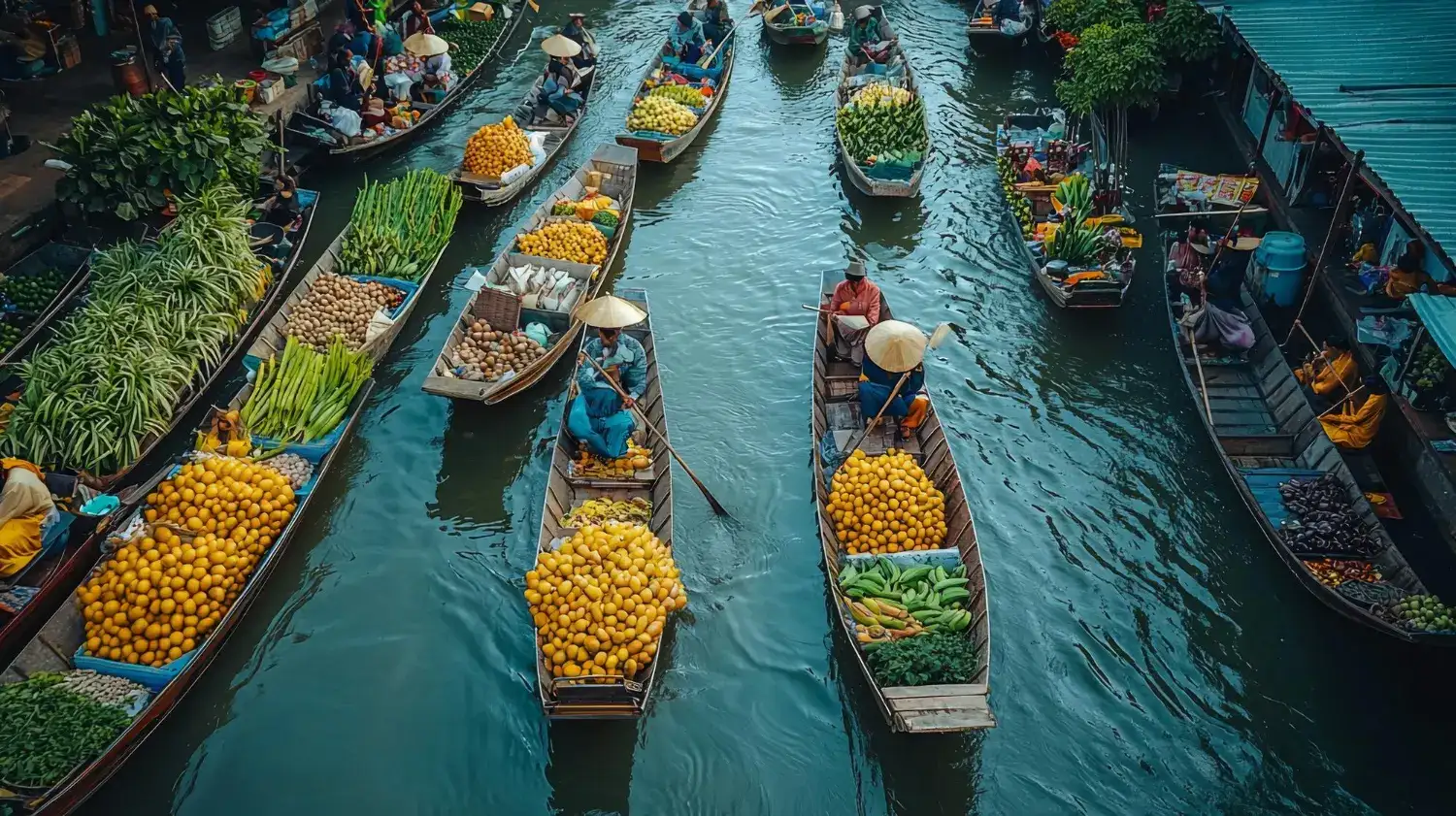
The Origins of Thailand’s Floating Markets
Floating markets date back hundreds of years to a time when Thailand’s waterways served as the primary transport network. Communities settled along rivers and canals, especially in the central plains around present-day Bangkok. Boats became essential for trade, travel, and daily life, leading to the rise of floating markets where farmers and merchants exchanged goods on water.
Although modern roads gradually replaced canals as the main transportation routes, several floating markets survived and later became cultural landmarks that preserve Thailand’s traditional river-based lifestyle.
Damnoen Saduak Floating Market
Located about 100 kilometers southwest of Bangkok, Damnoen Saduak is Thailand’s most famous floating market. Known for its colorful wooden boats packed with fruits, vegetables, noodles, and coconut ice cream, the market attracts visitors from around the world.
The market is busiest in the morning when vendors paddle through narrow canals selling freshly prepared Thai dishes and local snacks. Boat tours through the canals also allow travelers to explore nearby homes, orchards, and traditional riverside communities.
Amphawa Floating Market
Amphawa offers a more local and relaxed atmosphere compared to the heavily visited Damnoen Saduak market. Located in Samut Songkhram Province, this weekend market is famous for its seafood stalls, riverside cafés, and evening ambiance.
Unlike markets where vendors mainly sell from boats, many shops at Amphawa line the canal banks in traditional wooden houses. Visitors often enjoy grilled prawns, squid, and Thai desserts while watching boats drift along the canal. Evening boat rides to see fireflies along the river are also a popular attraction here.
Taling Chan Floating Market
For travelers who want a floating market experience without leaving Bangkok, Taling Chan Floating Market is one of the easiest options to visit. Smaller and less crowded than larger tourist markets, it is popular among locals looking for authentic Thai food.
Visitors can enjoy boat noodles, grilled fish, papaya salad, and tropical fruits while sitting beside the canal. Long-tail boat rides through nearby waterways provide a peaceful escape from the busy city atmosphere.
Maeklong Railway Market Connection
Many travelers combine floating market tours with a visit to the Maeklong Railway Market, one of Thailand’s most unusual markets. Vendors here sell goods directly beside active railway tracks and quickly move their umbrellas and stalls whenever a train approaches.
The market is often included in tours alongside Amphawa or Damnoen Saduak because of its close location and unique cultural appeal.
What You Can Buy at Floating Markets
Thailand’s floating markets are famous for their wide variety of local products and freshly prepared food. Common items include:
Best Time to Visit
Most floating markets are busiest during the early morning hours, usually between 7 AM and 11 AM. Visiting early helps travelers avoid crowds and experience the markets at their liveliest.
The cooler season from November to February is generally considered the most comfortable time to explore Thailand’s outdoor markets due to lower humidity and milder temperatures.
Cultural Importance of Floating Markets
Floating markets are more than tourist attractions; they reflect Thailand’s deep historical connection with water-based communities. They preserve traditional cooking styles, local craftsmanship, and river trade practices that shaped Thai society for centuries.
Even today, these markets continue to support local families and small businesses while allowing visitors to experience an important part of Thai cultural heritage.
Tips for Visitors
Thailand’s floating markets offer a unique blend of culture, food, history, and traditional commerce. Whether exploring the bustling canals of Damnoen Saduak, enjoying seafood at Amphawa, or discovering smaller local markets near Bangkok, visitors can experience a side of Thailand that still reflects its historic relationship with rivers and waterways. These vibrant markets remain one of the country’s most memorable and authentic travel experiences.
The Origins of Thailand’s Floating Markets
Floating markets date back hundreds of years to a time when Thailand’s waterways served as the primary transport network. Communities settled along rivers and canals, especially in the central plains around present-day Bangkok. Boats became essential for trade, travel, and daily life, leading to the rise of floating markets where farmers and merchants exchanged goods on water. Although modern roads gradually replaced canals as the main transportation routes, several floating markets survived and later became cultural landmarks that preserve Thailand’s traditional river-based lifestyle.
Damnoen Saduak Floating Market
Located about 100 kilometers southwest of Bangkok, Damnoen Saduak is Thailand’s most famous floating market. Known for its colorful wooden boats packed with fruits, vegetables, noodles, and coconut ice cream, the market attracts visitors from around the world. The market is busiest in the morning when vendors paddle through narrow canals selling freshly prepared Thai dishes and local snacks. Boat tours through the canals also allow travelers to explore nearby homes, orchards, and traditional riverside communities.
Amphawa Floating Market
Amphawa offers a more local and relaxed atmosphere compared to the heavily visited Damnoen Saduak market. Located in Samut Songkhram Province, this weekend market is famous for its seafood stalls, riverside cafés, and evening ambiance. Unlike markets where vendors mainly sell from boats, many shops at Amphawa line the canal banks in traditional wooden houses. Visitors often enjoy grilled prawns, squid, and Thai desserts while watching boats drift along the canal. Evening boat rides to see fireflies along the river are also a popular attraction here.
Taling Chan Floating Market
For travelers who want a floating market experience without leaving Bangkok, Taling Chan Floating Market is one of the easiest options to visit. Smaller and less crowded than larger tourist markets, it is popular among locals looking for authentic Thai food. Visitors can enjoy boat noodles, grilled fish, papaya salad, and tropical fruits while sitting beside the canal. Long-tail boat rides through nearby waterways provide a peaceful escape from the busy city atmosphere.
Maeklong Railway Market Connection
Many travelers combine floating market tours with a visit to the Maeklong Railway Market, one of Thailand’s most unusual markets. Vendors here sell goods directly beside active railway tracks and quickly move their umbrellas and stalls whenever a train approaches. The market is often included in tours alongside Amphawa or Damnoen Saduak because of its close location and unique cultural appeal.
What You Can Buy at Floating Markets
Thailand’s floating markets are famous for their wide variety of local products and freshly prepared food. Common items include: - Tropical fruits such as mangoes, coconuts, bananas, and pomelos
- Traditional Thai dishes like pad thai, boat noodles, and grilled seafood
- Coconut pancakes and mango sticky rice
- Handmade crafts, hats, bags, and souvenirs
- Fresh flowers and local herbs
Best Time to Visit
Most floating markets are busiest during the early morning hours, usually between 7 AM and 11 AM. Visiting early helps travelers avoid crowds and experience the markets at their liveliest. The cooler season from November to February is generally considered the most comfortable time to explore Thailand’s outdoor markets due to lower humidity and milder temperatures.
Cultural Importance of Floating Markets
Floating markets are more than tourist attractions; they reflect Thailand’s deep historical connection with water-based communities. They preserve traditional cooking styles, local craftsmanship, and river trade practices that shaped Thai society for centuries. Even today, these markets continue to support local families and small businesses while allowing visitors to experience an important part of Thai cultural heritage.
Tips for Visitors
- Carry cash, as many small vendors may not accept cards.
- Arrive early for the best atmosphere and fewer crowds.
- Try local street food from busy stalls with freshly cooked dishes.
- Wear light clothing and sun protection due to Thailand’s tropical climate.
- Be respectful when photographing local vendors and residents.
Thailand’s floating markets offer a unique blend of culture, food, history, and traditional commerce. Whether exploring the bustling canals of Damnoen Saduak, enjoying seafood at Amphawa, or discovering smaller local markets near Bangkok, visitors can experience a side of Thailand that still reflects its historic relationship with rivers and waterways. These vibrant markets remain one of the country’s most memorable and authentic travel experiences.
Next Story