
Why The Sacred Himalayas Continue To Inspire Pilgrims, Travellers And Nature Lovers Worldwide

The Himalayas have long occupied a special place in human imagination. Stretching across several countries and home to some of the world's highest peaks, these mountains are not merely geological wonders. They are revered as sacred spaces where nature, spirituality and culture come together in remarkable harmony. For centuries, saints, scholars, pilgrims and adventurers have been drawn to the region, seeking wisdom, inspiration and a deeper connection with the natural world.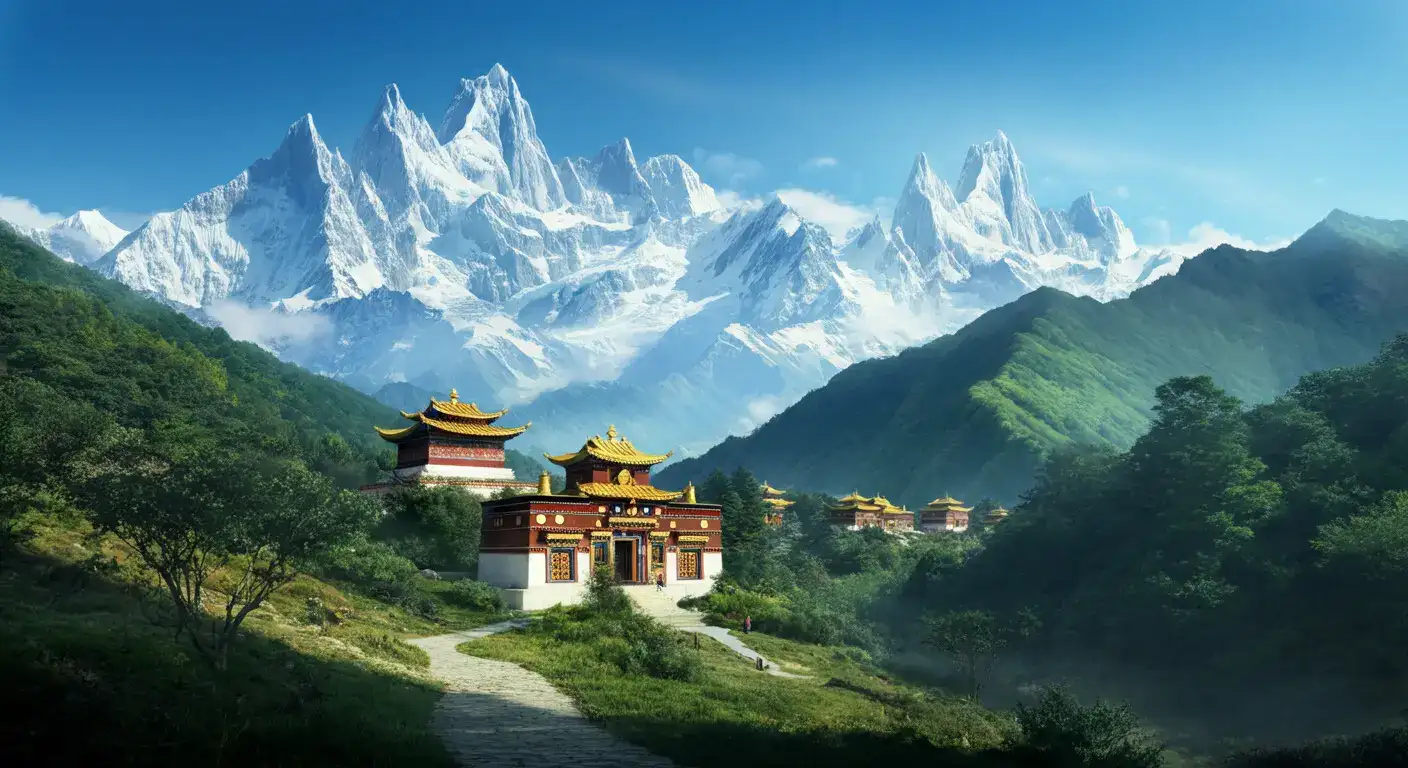
The Sacred Himalayas embody a unique blend of grandeur and serenity. Towering snow-covered summits, pristine rivers, ancient temples and vibrant communities create a landscape that is both awe-inspiring and deeply meaningful. Their influence extends beyond geography, shaping religious traditions, folklore, literature and cultural practices across generations.
Several important pilgrimage destinations are located within the Himalayan region. Every year, millions of visitors undertake challenging journeys through rugged terrain to reach sacred shrines and temples nestled amidst the mountains. These pilgrimages are often viewed as acts of devotion, perseverance and self-discovery.
The atmosphere of the Himalayas contributes significantly to their spiritual appeal. The vast landscapes, quiet valleys and untouched wilderness provide an environment that encourages reflection and inner peace. Many visitors describe a sense of calm and renewal after spending time in these majestic surroundings.
During spring and summer, colourful wildflowers bloom across mountain slopes, creating vibrant displays against the backdrop of towering peaks. Autumn brings crisp air and clear skies, while winter blankets the region in snow, enhancing its ethereal charm.
The Himalayan landscape also serves as the source of several major rivers that sustain millions of people. These waterways nourish ecosystems, support agriculture and hold immense cultural and spiritual significance. Their origins in the mountains further reinforce the sacred character of the region.
Traditional festivals, folk music, dance forms and local crafts continue to thrive across the region. Many celebrations are linked to seasonal cycles, agricultural practices and spiritual beliefs, reflecting the close relationship between people and their environment.
Architecture in Himalayan settlements also showcases remarkable adaptability and craftsmanship. Ancient monasteries, temples and traditional homes blend seamlessly with the surrounding landscape, demonstrating a deep respect for nature and local heritage.
The preservation of these traditions contributes significantly to the cultural richness of the Himalayas and offers visitors valuable insights into ways of life shaped by the mountains.
These varied habitats support numerous plant and animal species, many of which are found nowhere else on Earth. Rare wildlife, unique vegetation and delicate ecological systems contribute to the region's environmental significance.
Conservation efforts have become increasingly important as climate change and human activities place pressure on these fragile ecosystems. Protecting the Himalayan landscape is essential not only for preserving biodiversity but also for maintaining the ecological balance upon which millions of people depend.
These journeys are not solely about reaching a destination. They are also about personal transformation. The challenges encountered along the way encourage resilience, humility and contemplation. Many travellers find that the experience deepens their appreciation for both spirituality and nature.
Modern infrastructure has improved accessibility in several areas, yet the essence of pilgrimage remains unchanged. The journey continues to symbolise faith, dedication and the search for deeper meaning.
In a rapidly changing world, the mountains encourage a slower and more thoughtful perspective. Their vastness inspires humility, while their beauty fosters gratitude and wonder. The cultural and spiritual traditions that flourish within the region demonstrate the enduring strength of human connection to the natural environment.
Today, the Sacred Himalayas continue to captivate people from every corner of the globe. Whether viewed as a spiritual sanctuary, a natural masterpiece or a repository of living heritage, they remain one of the most extraordinary regions on Earth. Their majestic peaks, ancient traditions and timeless wisdom form a tapestry that continues to inspire generations, ensuring that their legacy endures far into the future.
The Sacred Himalayas embody a unique blend of grandeur and serenity. Towering snow-covered summits, pristine rivers, ancient temples and vibrant communities create a landscape that is both awe-inspiring and deeply meaningful. Their influence extends beyond geography, shaping religious traditions, folklore, literature and cultural practices across generations.
The Spiritual Heart Of The Himalayas
The Himalayas hold profound spiritual significance in many traditions. For countless devotees, these mountains are regarded as the abode of divine forces and sacred energies. Ancient texts and legends often describe the region as a place where sages meditated, sought enlightenment and passed on timeless wisdom.Several important pilgrimage destinations are located within the Himalayan region. Every year, millions of visitors undertake challenging journeys through rugged terrain to reach sacred shrines and temples nestled amidst the mountains. These pilgrimages are often viewed as acts of devotion, perseverance and self-discovery.
The atmosphere of the Himalayas contributes significantly to their spiritual appeal. The vast landscapes, quiet valleys and untouched wilderness provide an environment that encourages reflection and inner peace. Many visitors describe a sense of calm and renewal after spending time in these majestic surroundings.
A Landscape Of Extraordinary Beauty
One of the most striking aspects of the Sacred Himalayas is their unparalleled natural beauty. Snow-capped peaks rise dramatically above lush forests, alpine meadows and crystal-clear rivers. The changing seasons transform the scenery throughout the year, offering different yet equally captivating experiences.During spring and summer, colourful wildflowers bloom across mountain slopes, creating vibrant displays against the backdrop of towering peaks. Autumn brings crisp air and clear skies, while winter blankets the region in snow, enhancing its ethereal charm.
The Himalayan landscape also serves as the source of several major rivers that sustain millions of people. These waterways nourish ecosystems, support agriculture and hold immense cultural and spiritual significance. Their origins in the mountains further reinforce the sacred character of the region.
Rich Cultural Traditions And Heritage
The Sacred Himalayas are home to diverse communities that have preserved their traditions for centuries. Despite geographical challenges, these communities have developed rich cultural identities deeply connected to the mountains.Traditional festivals, folk music, dance forms and local crafts continue to thrive across the region. Many celebrations are linked to seasonal cycles, agricultural practices and spiritual beliefs, reflecting the close relationship between people and their environment.
Architecture in Himalayan settlements also showcases remarkable adaptability and craftsmanship. Ancient monasteries, temples and traditional homes blend seamlessly with the surrounding landscape, demonstrating a deep respect for nature and local heritage.
The preservation of these traditions contributes significantly to the cultural richness of the Himalayas and offers visitors valuable insights into ways of life shaped by the mountains.
A Sanctuary For Biodiversity
Beyond their spiritual and cultural importance, the Himalayas play a vital role in supporting biodiversity. The region contains a wide range of ecosystems, from subtropical forests to high-altitude alpine zones.These varied habitats support numerous plant and animal species, many of which are found nowhere else on Earth. Rare wildlife, unique vegetation and delicate ecological systems contribute to the region's environmental significance.
Conservation efforts have become increasingly important as climate change and human activities place pressure on these fragile ecosystems. Protecting the Himalayan landscape is essential not only for preserving biodiversity but also for maintaining the ecological balance upon which millions of people depend.
The Enduring Appeal Of Mountain Pilgrimage
The tradition of mountain pilgrimage remains one of the defining features of the Sacred Himalayas. Pilgrims often undertake physically demanding journeys through steep paths and remote terrain to reach sacred destinations.These journeys are not solely about reaching a destination. They are also about personal transformation. The challenges encountered along the way encourage resilience, humility and contemplation. Many travellers find that the experience deepens their appreciation for both spirituality and nature.
Modern infrastructure has improved accessibility in several areas, yet the essence of pilgrimage remains unchanged. The journey continues to symbolise faith, dedication and the search for deeper meaning.
Lessons From The Sacred Himalayas
The Himalayas offer valuable lessons that extend beyond religion and geography. They remind us of the importance of harmony between humanity and nature. Their enduring presence reflects resilience, patience and the power of natural forces that have shaped the Earth over millions of years.In a rapidly changing world, the mountains encourage a slower and more thoughtful perspective. Their vastness inspires humility, while their beauty fosters gratitude and wonder. The cultural and spiritual traditions that flourish within the region demonstrate the enduring strength of human connection to the natural environment.
Today, the Sacred Himalayas continue to captivate people from every corner of the globe. Whether viewed as a spiritual sanctuary, a natural masterpiece or a repository of living heritage, they remain one of the most extraordinary regions on Earth. Their majestic peaks, ancient traditions and timeless wisdom form a tapestry that continues to inspire generations, ensuring that their legacy endures far into the future.
Next Story