
Why The Same Perfume Smells Different On Different People

A perfume can smell completely different from one person to another, even when they use exactly the same fragrance. One person may smell sweet and warm, while another may notice fresh, woody, or spicy notes. This happens because perfume interacts with the skin, body chemistry, environment, and even the way we perceive scents.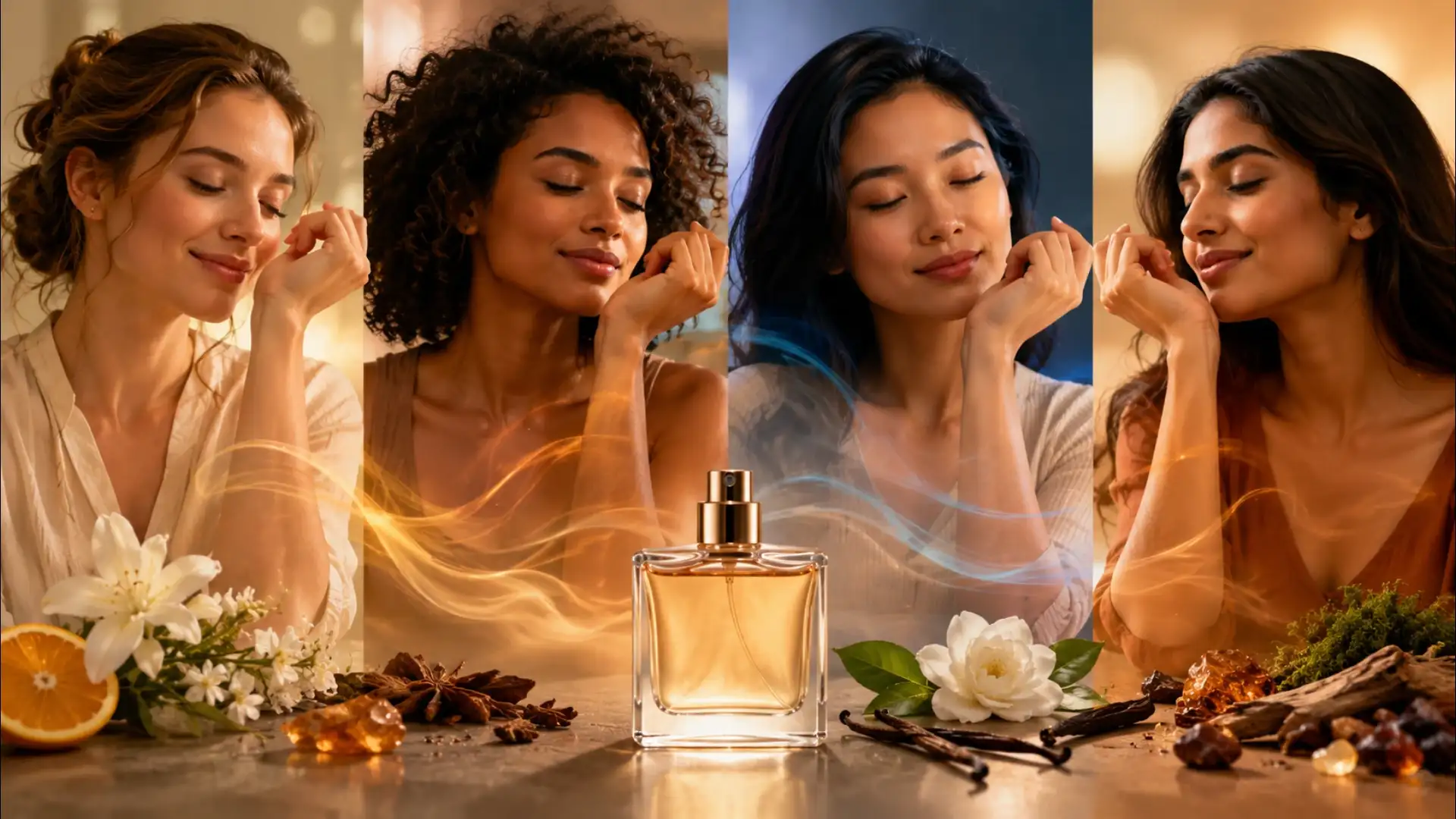
Natural skin oils can also help certain fragrance ingredients last longer. On oily skin, a perfume may smell richer and remain noticeable for a longer period. Dry skin, on the other hand, may cause fragrances to evaporate faster, making the scent seem lighter or shorter-lasting.
People with naturally warmer skin may therefore experience a stronger or more intense fragrance. Areas such as the wrists, neck, and behind the ears are commonly used for this reason because they tend to be warmer than other parts of the body.
Certain foods and beverages may affect natural body odor as well. Although these effects are usually subtle, they can interact with perfume and contribute to differences in how a fragrance is perceived.
Skincare products can also change the final smell. A scented body lotion, shower gel, sunscreen, or hair product may mix with the perfume, creating a slightly different fragrance profile.
A fragrance may project strongly in warm, humid weather but seem more restrained in cold, dry conditions. Smoke, food aromas, pollution, and other environmental smells can also affect how our noses interpret a perfume.
Our memories and experiences can also influence how we interpret familiar scents.
A perfume's opening notes may smell very different from its heart and base notes. Giving it time reveals how the fragrance truly interacts with your individual skin chemistry.
Ultimately, the same perfume can become a different sensory experience for different people and that is part of what makes fragrance so personal.
Skin Chemistry Plays a Major Role
One of the biggest reasons perfumes smell different is individual skin chemistry. Everyone's skin has a unique combination of oils, acidity, moisture, and natural compounds. When perfume comes into contact with these substances, they can influence how its fragrance molecules evaporate.Natural skin oils can also help certain fragrance ingredients last longer. On oily skin, a perfume may smell richer and remain noticeable for a longer period. Dry skin, on the other hand, may cause fragrances to evaporate faster, making the scent seem lighter or shorter-lasting.
Body Temperature Changes The Fragrance
Temperature also affects how perfume develops. Warm skin encourages fragrance molecules to evaporate more quickly, allowing different notes to become noticeable sooner.People with naturally warmer skin may therefore experience a stronger or more intense fragrance. Areas such as the wrists, neck, and behind the ears are commonly used for this reason because they tend to be warmer than other parts of the body.
Hormones And Lifestyle Can Influence Scent
Changes in hormones can affect the skin's oil production and chemistry, potentially altering how a fragrance smells. Stress, exercise, diet, and even changes in daily routine can also influence body chemistry.Certain foods and beverages may affect natural body odor as well. Although these effects are usually subtle, they can interact with perfume and contribute to differences in how a fragrance is perceived.
Moisture And Skincare Matter
The condition of the skin can significantly affect perfume performance. Moisturized skin generally provides a better surface for fragrance molecules to cling to, helping the scent last longer.Skincare products can also change the final smell. A scented body lotion, shower gel, sunscreen, or hair product may mix with the perfume, creating a slightly different fragrance profile.
Environment Makes A Difference
Perfume does not exist in isolation. Temperature, humidity, airflow, and surroundings can all influence how it smells.A fragrance may project strongly in warm, humid weather but seem more restrained in cold, dry conditions. Smoke, food aromas, pollution, and other environmental smells can also affect how our noses interpret a perfume.
Your Nose Matters Too
Not all differences come from the perfume itself. Human perception plays an important role. People have different sensitivities to individual fragrance molecules, meaning one person may strongly notice a particular note while another barely detects it.Our memories and experiences can also influence how we interpret familiar scents.
The Best Way To Test A Perfume
Because perfume reacts differently with every person's skin, testing it directly on your body is more reliable than judging it only from a paper tester. Spray a small amount on your skin and allow it to develop for several hours.A perfume's opening notes may smell very different from its heart and base notes. Giving it time reveals how the fragrance truly interacts with your individual skin chemistry.
Ultimately, the same perfume can become a different sensory experience for different people and that is part of what makes fragrance so personal.
Next Story