
Why Time Feels Faster as You Get Older

Ask a child how long a year feels and you may get a very different answer from an adult. For a ten-year-old, a summer can seem endless. For someone in their forties, an entire year can disappear almost before it has properly begun. The clock, of course, has not changed. A minute remains a minute. Yet our subjective experience of time can change dramatically with age. Researchers have studied this familiar sensation for decades, and although there is no single explanation, memory, attention, routine and our changing sense of life's remaining time may all play a role.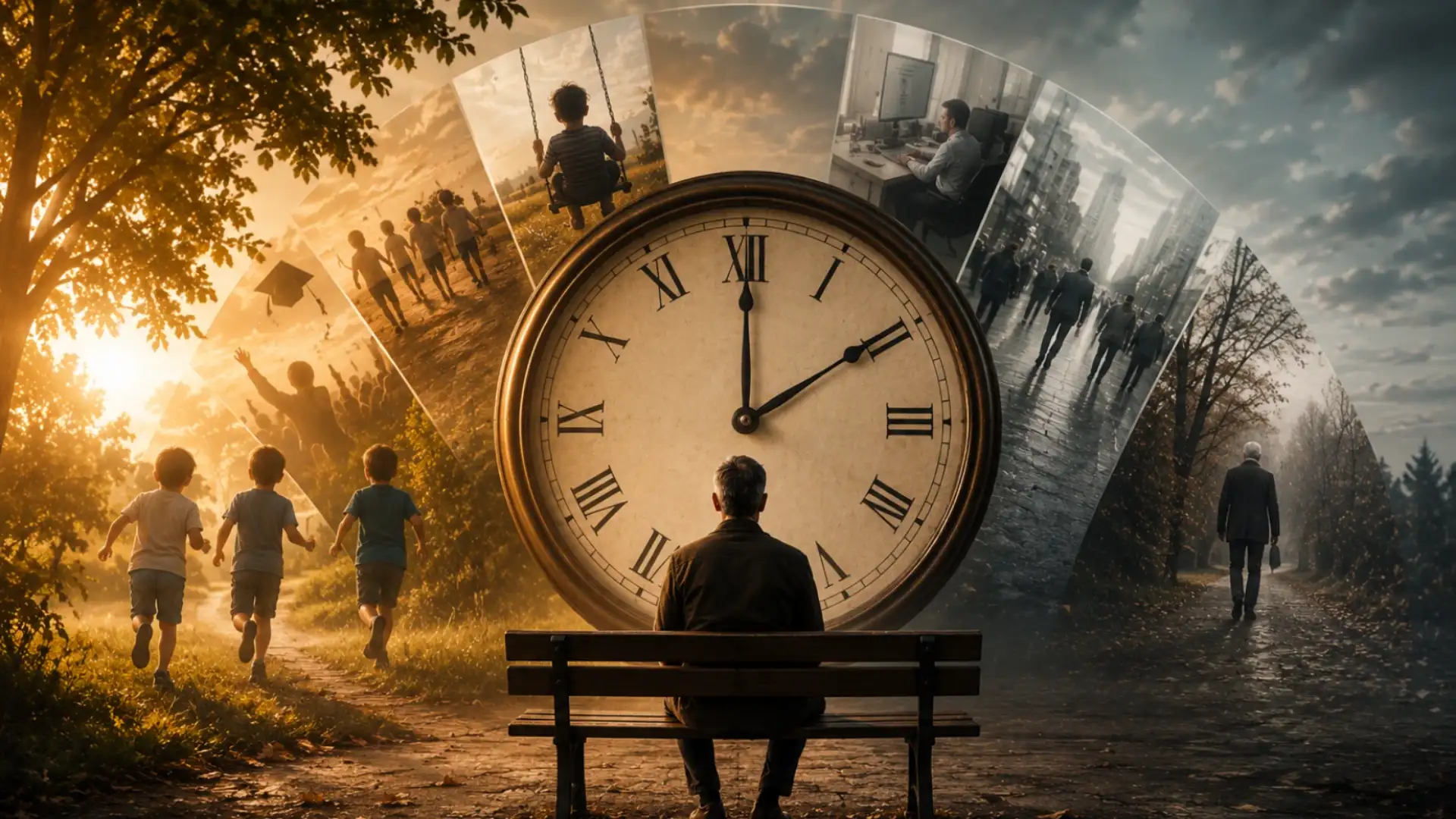
Research involving hundreds of participants has found evidence that older adults tend to report a faster subjective passage of time, although the effects are modest and do not explain everything.
So the feeling is real, but it is not as simple as saying that everyone experiences time speeding up in exactly the same way.
Adult life can contain far more repetition. The same commute, workplace, shopping routine and household responsibilities may occur week after week.
One theory suggests that periods containing many novel experiences create richer memories. When we look back, those memories provide more mental landmarks, making the period feel longer in retrospect.
A routine-filled year may leave fewer distinctive markers, causing it to feel compressed.
The reverse can happen with an ordinary working week. At the time, Friday may seem impossibly far away. Looking back, Monday and Friday can appear to have been almost next to each other.
Researchers also suggest that awareness of limited future time may influence how older adults experience everyday activities.
Try visiting somewhere unfamiliar, learning a new skill, changing your route home or deliberately paying attention to ordinary experiences.
You cannot slow the clock.
But you may be able to make the years feel richer by giving your memory more moments worth keeping.
The Clock and the Mind Tell Different Stories
Scientists distinguish between objective time and subjective time. The first can be measured with a clock. The second is the way an interval feels to us.Research involving hundreds of participants has found evidence that older adults tend to report a faster subjective passage of time, although the effects are modest and do not explain everything.
So the feeling is real, but it is not as simple as saying that everyone experiences time speeding up in exactly the same way.
Routine Can Make Years Feel Compressed
Think about a typical childhood year. There may be a new classroom, new friends, holidays, birthdays and unfamiliar experiences.Adult life can contain far more repetition. The same commute, workplace, shopping routine and household responsibilities may occur week after week.
One theory suggests that periods containing many novel experiences create richer memories. When we look back, those memories provide more mental landmarks, making the period feel longer in retrospect.
A routine-filled year may leave fewer distinctive markers, causing it to feel compressed.
Memory Changes the Way We Experience the Past
Our judgement of time is closely linked to memory. A holiday can feel long while it is happening but surprisingly short when remembered months later.You may also like
- 7 High-Protein Foods That Can Transform Your Hair
- Understanding the Consequences of Excessive Obedience in Children
- This Viral Skincare Trend Is Secretly Damaging Your Skin
- Being an obedient child isn't always a good thing! Learn about the side effects of being overly compliant..
- 4 Skincare Mistakes That Ruin Expensive Skincare & Glowing Skin
The reverse can happen with an ordinary working week. At the time, Friday may seem impossibly far away. Looking back, Monday and Friday can appear to have been almost next to each other.
Researchers also suggest that awareness of limited future time may influence how older adults experience everyday activities.
What We Can Learn From This
The practical implication is not that you need to fill your life with constant excitement. It is that novelty can create memorable landmarks.Try visiting somewhere unfamiliar, learning a new skill, changing your route home or deliberately paying attention to ordinary experiences.
You cannot slow the clock.
But you may be able to make the years feel richer by giving your memory more moments worth keeping.






Loving Newspoint? Download the app now
