
Why Do Tomatoes Lose Their Flavour In The Fridge?

There is a reason a tomato picked at room temperature can taste juicy, sweet and intensely aromatic, while a chilled tomato sometimes seems strangely bland.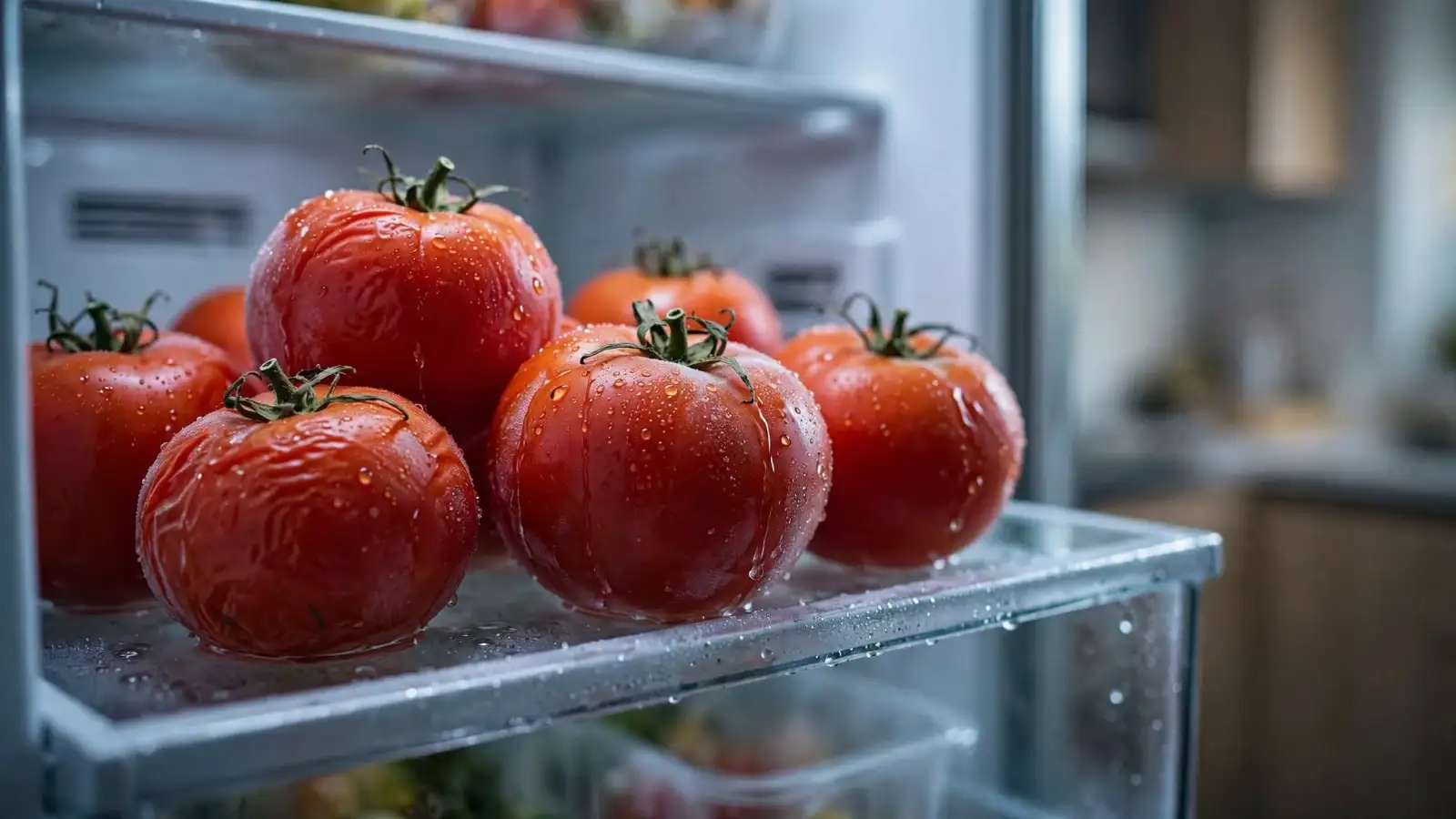
So, why do tomatoes lose flavour in the fridge? The answer comes down to how cold temperatures affect the fruit's chemistry.
Tomatoes are not simply red containers of water. Their flavour comes from a complex combination of sugars, acids and volatile compounds that create their characteristic aroma.
When tomatoes are exposed to very cold temperatures, some of these flavour-related processes can be disrupted.
Research into refrigerated tomatoes has shown that cold storage can affect the production and activity of some of these aroma compounds.
This means a tomato can still look perfectly red and edible after being refrigerated, yet taste noticeably less aromatic.
Cold temperatures can also affect the texture of tomatoes. The fruit's internal structure can become less pleasant, particularly after prolonged refrigeration.
A tomato that was once soft and juicy may become somewhat mealy when eaten later.
This is why storing tomatoes at the right temperature matters if flavour is your priority.
Once tomatoes are fully ripe, the decision becomes more about balancing flavour and shelf life. Refrigeration can slow down deterioration, but it may come at the cost of some of the qualities that make a ripe tomato enjoyable.
If you have already refrigerated tomatoes, allowing them to return to room temperature before eating can improve the eating experience, although it cannot necessarily reverse every change caused by cold storage.
Ultimately, the refrigerator is excellent for many fruits and vegetables, but tomatoes in the fridge are a different story. If your priority is maximum flavour, aroma and a satisfying texture, room-temperature storage is often the better choice for ripe tomatoes that you plan to eat soon.
So, why do tomatoes lose flavour in the fridge? The answer comes down to how cold temperatures affect the fruit's chemistry.
Tomatoes are not simply red containers of water. Their flavour comes from a complex combination of sugars, acids and volatile compounds that create their characteristic aroma.
When tomatoes are exposed to very cold temperatures, some of these flavour-related processes can be disrupted.
Cold affects tomato aroma
A large part of what we call taste actually comes from smell. Tomatoes contain volatile compounds that travel from the food towards the nose and contribute significantly to their overall flavour.Research into refrigerated tomatoes has shown that cold storage can affect the production and activity of some of these aroma compounds.
This means a tomato can still look perfectly red and edible after being refrigerated, yet taste noticeably less aromatic.
Texture can change too
Flavour is not the only problem.Cold temperatures can also affect the texture of tomatoes. The fruit's internal structure can become less pleasant, particularly after prolonged refrigeration.
You may also like
- Tired After a Long Day? Try This Simple Foot Soak With 4 Ingredients for a Relaxing Evening Routine
- How Does a Baby's Digestive System Develop?
- From a saree's blouse to a skirt's top: How to style a white shirt
- 'What I am removing from the lake is like a treasure': This Srinagar artisan is turning Dal Lake weeds to 'Grass Mâché' and creating work for women
- 'Don't blindly chase percentage hikes': A woman founder explains how a low salary becomes a 'benchmark' for professionals who may get stuck in an underpaid career cycle
A tomato that was once soft and juicy may become somewhat mealy when eaten later.
This is why storing tomatoes at the right temperature matters if flavour is your priority.
Should tomatoes always be kept outside the fridge?
For tomatoes that are still firm and unripe, keeping them at room temperature can help them continue developing their flavour.Once tomatoes are fully ripe, the decision becomes more about balancing flavour and shelf life. Refrigeration can slow down deterioration, but it may come at the cost of some of the qualities that make a ripe tomato enjoyable.
If you have already refrigerated tomatoes, allowing them to return to room temperature before eating can improve the eating experience, although it cannot necessarily reverse every change caused by cold storage.
Ultimately, the refrigerator is excellent for many fruits and vegetables, but tomatoes in the fridge are a different story. If your priority is maximum flavour, aroma and a satisfying texture, room-temperature storage is often the better choice for ripe tomatoes that you plan to eat soon.






Loving Newspoint? Download the app now
