
Why Train Platforms Have Yellow Lines Explained: Safety, Visibility and Accessibility

Have you ever stood on a train or metro platform and wondered why there’s a bright yellow line painted near the edge? It might look like a simple design choice, but that yellow line plays a key role in platform safety and commuter protection at train and metro stations around the world.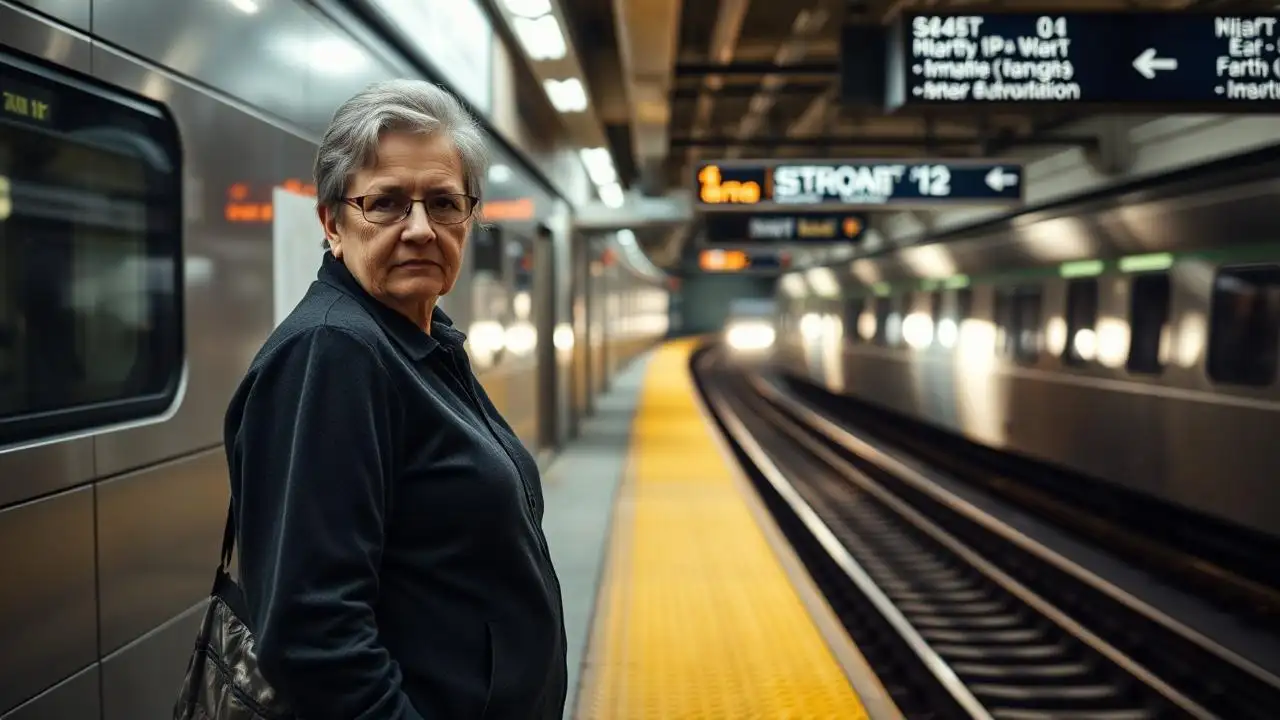
At busy stations, trains often pass through at high speed or arrive very quickly. Standing too close to the tracks can be dangerous because the wind pressure from a moving train can even cause loose bags, clothes, or people to be pulled toward the train. The yellow line helps prevent that risk by reminding commuters where to stand clearly.
In some railway systems, textured yellow tiles are also used along with the painted line. These tiles provide extra tactile feedback, especially for people with visual impairments. If someone is blind or has low vision and uses a cane or senses underfoot, these textured surfaces act as a warning that they are near the platform edge.
Some tactile yellow lines are required by accessibility laws and standards so that stations are safer and easier to use for people with disabilities. For example, in many metro systems the textured surface helps anyone with limited vision feel where it is safe to stand and where the tracks begin.
Announcements and station signs often remind travellers to stand behind the line until the train arrives, helping reinforce that yellow platform lines are not decorative but vital for safe boarding and alighting.
The Main Reason for Yellow Platform Lines: Passenger Safety
The primary purpose of the yellow line on railway and metro platforms is to keep passengers safe. This visual marker shows a safe distance from the edge of the platform, encouraging people to wait farther back where they are less likely to be hit by a passing or incoming train.At busy stations, trains often pass through at high speed or arrive very quickly. Standing too close to the tracks can be dangerous because the wind pressure from a moving train can even cause loose bags, clothes, or people to be pulled toward the train. The yellow line helps prevent that risk by reminding commuters where to stand clearly.
Why Yellow Is Used: Visibility and Recognition
Yellow is not just a random choice of color. It was chosen because it is one of the easiest shades for the human eye to notice, even in dim lighting or crowded spaces. This high-visibility color ensures the safety line stands out clearly on the platform floor so passengers can easily spot it from a distance.In some railway systems, textured yellow tiles are also used along with the painted line. These tiles provide extra tactile feedback, especially for people with visual impairments. If someone is blind or has low vision and uses a cane or senses underfoot, these textured surfaces act as a warning that they are near the platform edge.
You may also like
- Rashmika Mandanna Reacts to Ranabaali's Romantic Music Video with Vijay Deverakonda
- The whole world is living in 2026, while Japan is living in 2050. If you don't believe it, watch this amazing video
- Why Your Hair Is Getting Damaged Faster Than Before
- Railway Board Warning! These people are at risk of cyber fraud; fraudsters can target them and learn the full details.
- Foreign rates will no longer apply! Gold and silver mutual funds will now be valued at domestic spot prices, a new rule effective April 1st..
Global Rail Systems and Accessibility Standards
Rail systems in many countries have adopted the idea of yellow safety lines as part of wider accessibility and safety guidelines. In places like Japan, coloured and textured platform markings were developed early on to help travellers with visual challenges navigate busy transit hubs. These designs have since influenced train stations in Europe, North America , Australia, and beyond.Some tactile yellow lines are required by accessibility laws and standards so that stations are safer and easier to use for people with disabilities. For example, in many metro systems the textured surface helps anyone with limited vision feel where it is safe to stand and where the tracks begin.
Enforcement and Awareness: Staying Behind the Yellow Line
Even though the purpose of the yellow line is simple, some train and metro authorities are now taking extra steps to ensure commuters respect it. For instance, the Kolkata Metro has started imposing fines on passengers who needlessly cross the safety line while waiting for trains. This rule aims to encourage disciplined behaviour on platforms and reduce accidents.Announcements and station signs often remind travellers to stand behind the line until the train arrives, helping reinforce that yellow platform lines are not decorative but vital for safe boarding and alighting.
A Simple Marker With a Big Purpose
At first glance, a yellow line on a train platform might seem ordinary. But it carries an important function in everyday travel. That bright strip of colour helps guide where passengers should stand, alerts them to potential hazards near the track edge, and supports accessibility for everyone using the station.





More from our partners


Loving Newspoint? Download the app now
