
How Venice Became a City of Canals: A Journey Through History

Venice is unlike any other city in the world. Instead of roads filled with cars, its historic heart is shaped by a network of canals where boats glide past centuries-old buildings. These waterways are not just a mode of transport but the foundation of Venice’s identity, culture and history. From their origins in a lagoon settlement to becoming a symbol of romance and architectural brilliance, Venice’s canals tell the story of a city built on water.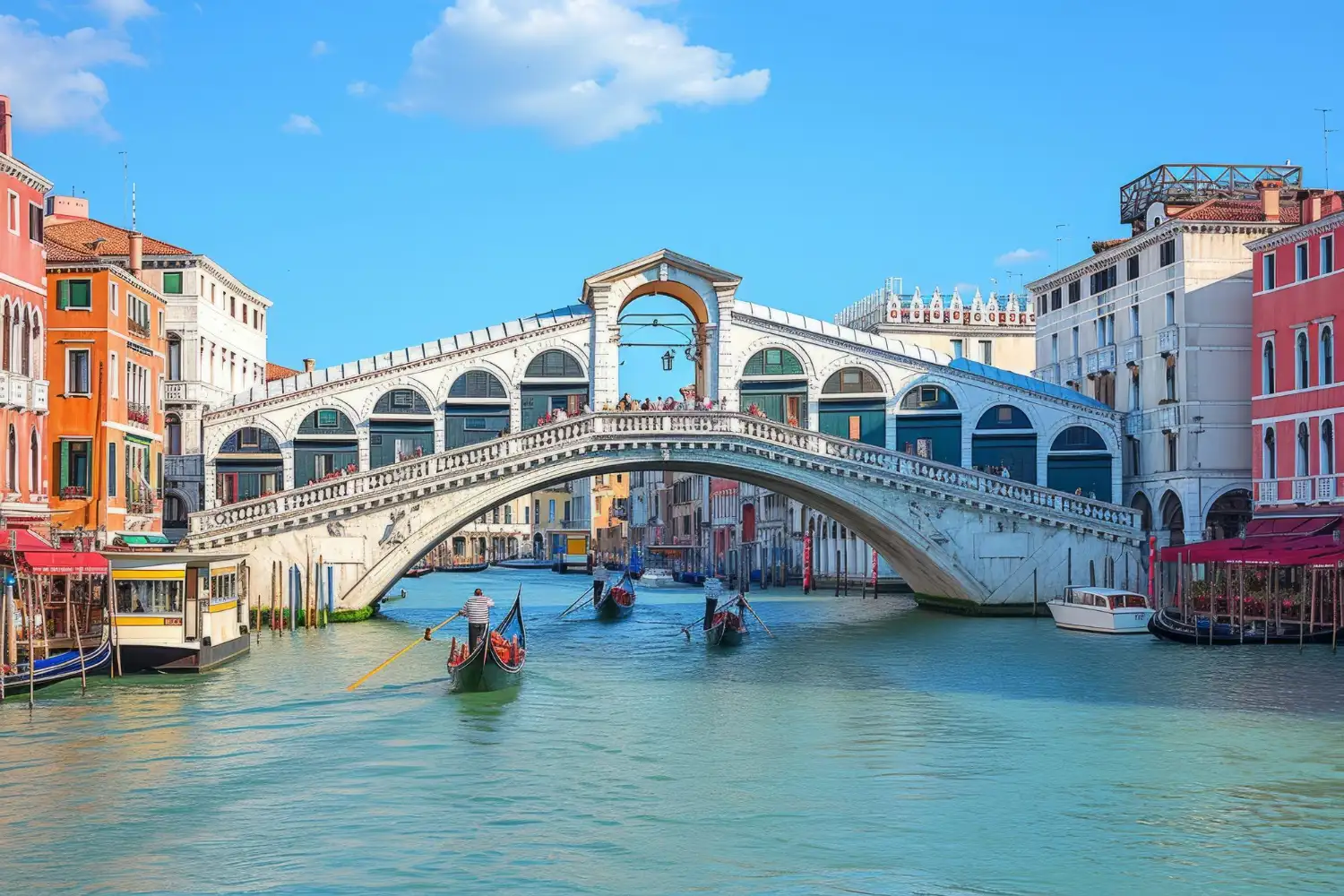
How Venice Became a City of Canals
Venice was built across a group of small islands in the Venetian Lagoon, a shallow area of the Adriatic Sea. The earliest communities settled there during the decline of the Western Roman Empire, when people from nearby mainland areas sought refuge from invasions.
The lagoon’s challenging environment encouraged residents to adapt by creating waterways instead of traditional streets. Over time, canals became essential for connecting different islands, transporting goods and supporting daily life.
The Engineering Behind Venice’s Waterways
Building a city on water required remarkable engineering skills. Early Venetians constructed foundations by driving wooden piles deep into the muddy ground beneath the lagoon. These supports created a stable base on which buildings could be constructed.
The canals were carefully shaped to allow boats to move through the city while also supporting trade and communication. Over centuries, Venice developed a complex network of large waterways and smaller canals, each playing a role in the city’s growth.
The Grand Canal: Venice’s Main Waterway
The most famous canal in Venice is the Grand Canal, which curves through the city like a large waterway highway. Lined with historic palaces, churches and grand residences, it reflects Venice’s former status as a powerful maritime republic.
For centuries, the Grand Canal served as a centre of commerce, with merchants, boats and trading vessels moving through the heart of the city. Today, it remains one of Venice’s most recognisable landmarks and an important route for public water transport.
Why Venice’s Canals Are Different From Ordinary Waterways
Venice’s canals are unique because they function as streets, bridges and transportation routes all at once. Traditional vehicles cannot operate in most parts of the historic city, making boats an important part of everyday movement.
Gondolas, water taxis and public boats known as vaporetti continue to navigate these waterways. The absence of normal road traffic gives Venice a distinctive atmosphere, where the sound of waves and boat engines replaces the noise of cars.
Canals and Venice’s Cultural Heritage
The canals have shaped Venice’s art, architecture and traditions. Many historic buildings were designed with entrances facing the water, as canals were once the main arrival points for residents and visitors.
The city’s famous gondola tradition is also closely connected to its waterways. These narrow boats have been part of Venetian culture for centuries and remain a popular way for visitors to experience the city.
Challenges Facing Venice’s Canals Today
Although Venice’s canals are admired worldwide, they also face several challenges. Rising sea levels, flooding events known as acqua alta and the impact of large numbers of visitors have increased concerns about preserving the city.
Various conservation efforts have been introduced to protect Venice’s historic structures and manage the lagoon environment. Maintaining the balance between tourism, daily life and environmental protection remains a key challenge for the city.
Venice’s canals are far more than beautiful waterways. They represent centuries of human adaptation, engineering and cultural development. Created out of necessity, these canals transformed a difficult landscape into one of the world’s most extraordinary cities. Their history continues to attract visitors and reminds us of the remarkable relationship between people and their environment.
How Venice Became a City of Canals
Venice was built across a group of small islands in the Venetian Lagoon, a shallow area of the Adriatic Sea. The earliest communities settled there during the decline of the Western Roman Empire, when people from nearby mainland areas sought refuge from invasions. The lagoon’s challenging environment encouraged residents to adapt by creating waterways instead of traditional streets. Over time, canals became essential for connecting different islands, transporting goods and supporting daily life.
The Engineering Behind Venice’s Waterways
Building a city on water required remarkable engineering skills. Early Venetians constructed foundations by driving wooden piles deep into the muddy ground beneath the lagoon. These supports created a stable base on which buildings could be constructed. The canals were carefully shaped to allow boats to move through the city while also supporting trade and communication. Over centuries, Venice developed a complex network of large waterways and smaller canals, each playing a role in the city’s growth.
You may also like
- Right Way To Drink Water: Could your habit of gulping water make you sick? Learn the right rules for drinking water from your doctor.
- How Luxembourg got its name: Surprising story behind Europe's "little fortress"
- Tree of Death: Standing under this tree during the rain could cost you your life. Learn the truth about the 'Tree of Death'.
- Realistic potty training guide: A 3-day kick-start to help your toddler learn
- Mosquito Bite Reasons: Why do mosquitoes bite some people more? What is the reason behind it?
The Grand Canal: Venice’s Main Waterway
The most famous canal in Venice is the Grand Canal, which curves through the city like a large waterway highway. Lined with historic palaces, churches and grand residences, it reflects Venice’s former status as a powerful maritime republic. For centuries, the Grand Canal served as a centre of commerce, with merchants, boats and trading vessels moving through the heart of the city. Today, it remains one of Venice’s most recognisable landmarks and an important route for public water transport.
Why Venice’s Canals Are Different From Ordinary Waterways
Venice’s canals are unique because they function as streets, bridges and transportation routes all at once. Traditional vehicles cannot operate in most parts of the historic city, making boats an important part of everyday movement. Gondolas, water taxis and public boats known as vaporetti continue to navigate these waterways. The absence of normal road traffic gives Venice a distinctive atmosphere, where the sound of waves and boat engines replaces the noise of cars.
Canals and Venice’s Cultural Heritage
The canals have shaped Venice’s art, architecture and traditions. Many historic buildings were designed with entrances facing the water, as canals were once the main arrival points for residents and visitors. The city’s famous gondola tradition is also closely connected to its waterways. These narrow boats have been part of Venetian culture for centuries and remain a popular way for visitors to experience the city.
Challenges Facing Venice’s Canals Today
Although Venice’s canals are admired worldwide, they also face several challenges. Rising sea levels, flooding events known as acqua alta and the impact of large numbers of visitors have increased concerns about preserving the city. Various conservation efforts have been introduced to protect Venice’s historic structures and manage the lagoon environment. Maintaining the balance between tourism, daily life and environmental protection remains a key challenge for the city.
Venice’s canals are far more than beautiful waterways. They represent centuries of human adaptation, engineering and cultural development. Created out of necessity, these canals transformed a difficult landscape into one of the world’s most extraordinary cities. Their history continues to attract visitors and reminds us of the remarkable relationship between people and their environment.






Loving Newspoint? Download the app now
