
How Venice Became a City of Canals: A Journey Through History

Venice is unlike any other city in the world. Instead of roads filled with cars, its historic heart is shaped by a network of canals where boats glide past centuries-old buildings. These waterways are not just a mode of transport but the foundation of Venice’s identity, culture and history. From their origins in a lagoon settlement to becoming a symbol of romance and architectural brilliance, Venice’s canals tell the story of a city built on water.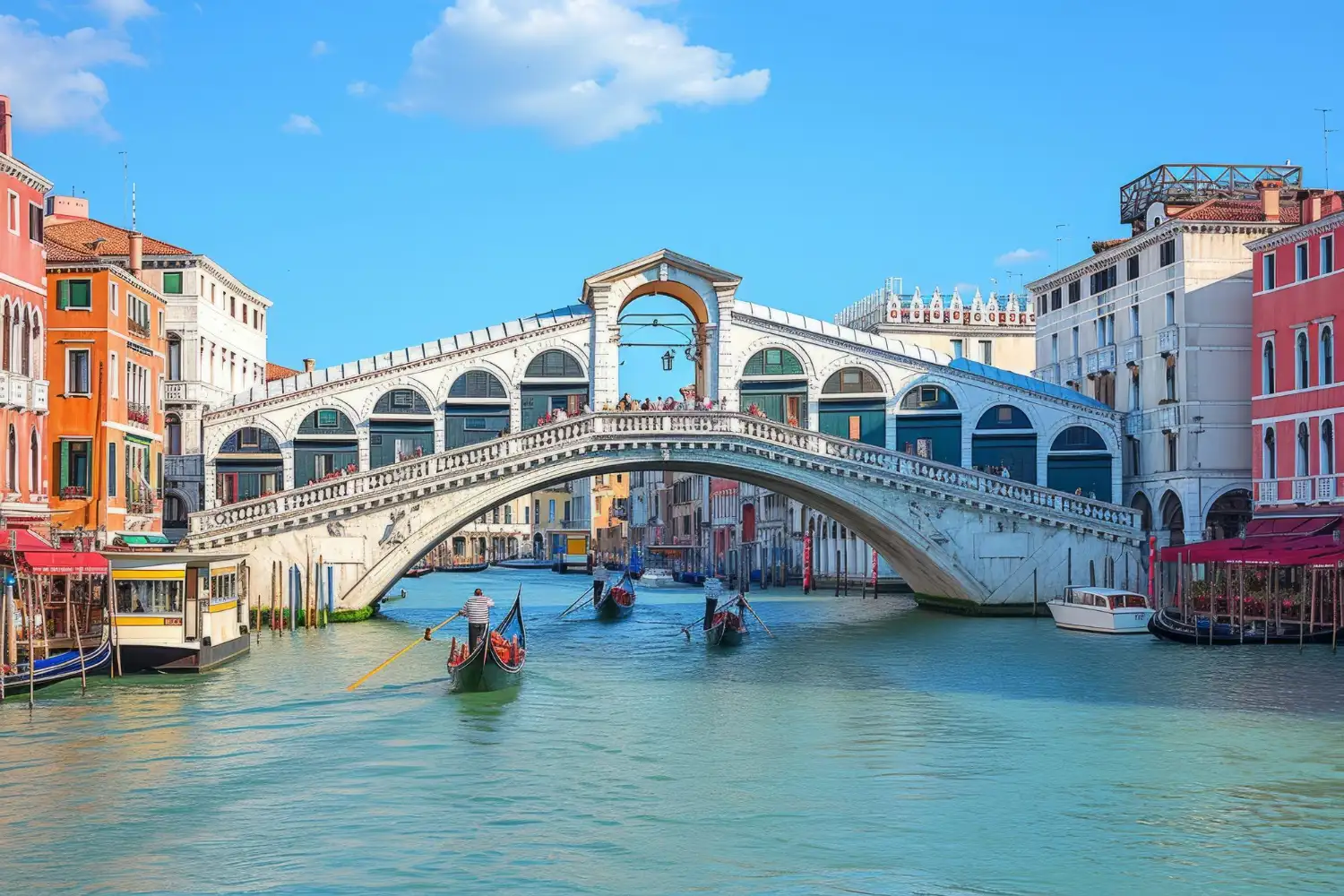
How Venice Became a City of Canals
Venice was built across a group of small islands in the Venetian Lagoon, a shallow area of the Adriatic Sea. The earliest communities settled there during the decline of the Western Roman Empire, when people from nearby mainland areas sought refuge from invasions.
The lagoon’s challenging environment encouraged residents to adapt by creating waterways instead of traditional streets. Over time, canals became essential for connecting different islands, transporting goods and supporting daily life.
The Engineering Behind Venice’s Waterways
Building a city on water required remarkable engineering skills. Early Venetians constructed foundations by driving wooden piles deep into the muddy ground beneath the lagoon. These supports created a stable base on which buildings could be constructed.
The canals were carefully shaped to allow boats to move through the city while also supporting trade and communication. Over centuries, Venice developed a complex network of large waterways and smaller canals, each playing a role in the city’s growth.
How Venice Became a City of Canals
Venice was built across a group of small islands in the Venetian Lagoon, a shallow area of the Adriatic Sea. The earliest communities settled there during the decline of the Western Roman Empire, when people from nearby mainland areas sought refuge from invasions. The lagoon’s challenging environment encouraged residents to adapt by creating waterways instead of traditional streets. Over time, canals became essential for connecting different islands, transporting goods and supporting daily life.
The Engineering Behind Venice’s Waterways
Building a city on water required remarkable engineering skills. Early Venetians constructed foundations by driving wooden piles deep into the muddy ground beneath the lagoon. These supports created a stable base on which buildings could be constructed. The canals were carefully shaped to allow boats to move through the city while also supporting trade and communication. Over centuries, Venice developed a complex network of large waterways and smaller canals, each playing a role in the city’s growth.
Next Story