
Why Are Vultures Important to Healthy Ecosystems? 10 Reasons Explained

Vultures may not be the most popular birds in the animal kingdom, but their contribution to nature is difficult to replace. These powerful scavengers feed on dead animals, helping clear carcasses from grasslands, forests, mountains and open landscapes. Without them, animal remains could stay exposed for longer, attracting other scavengers and creating additional opportunities for harmful microorganisms to spread.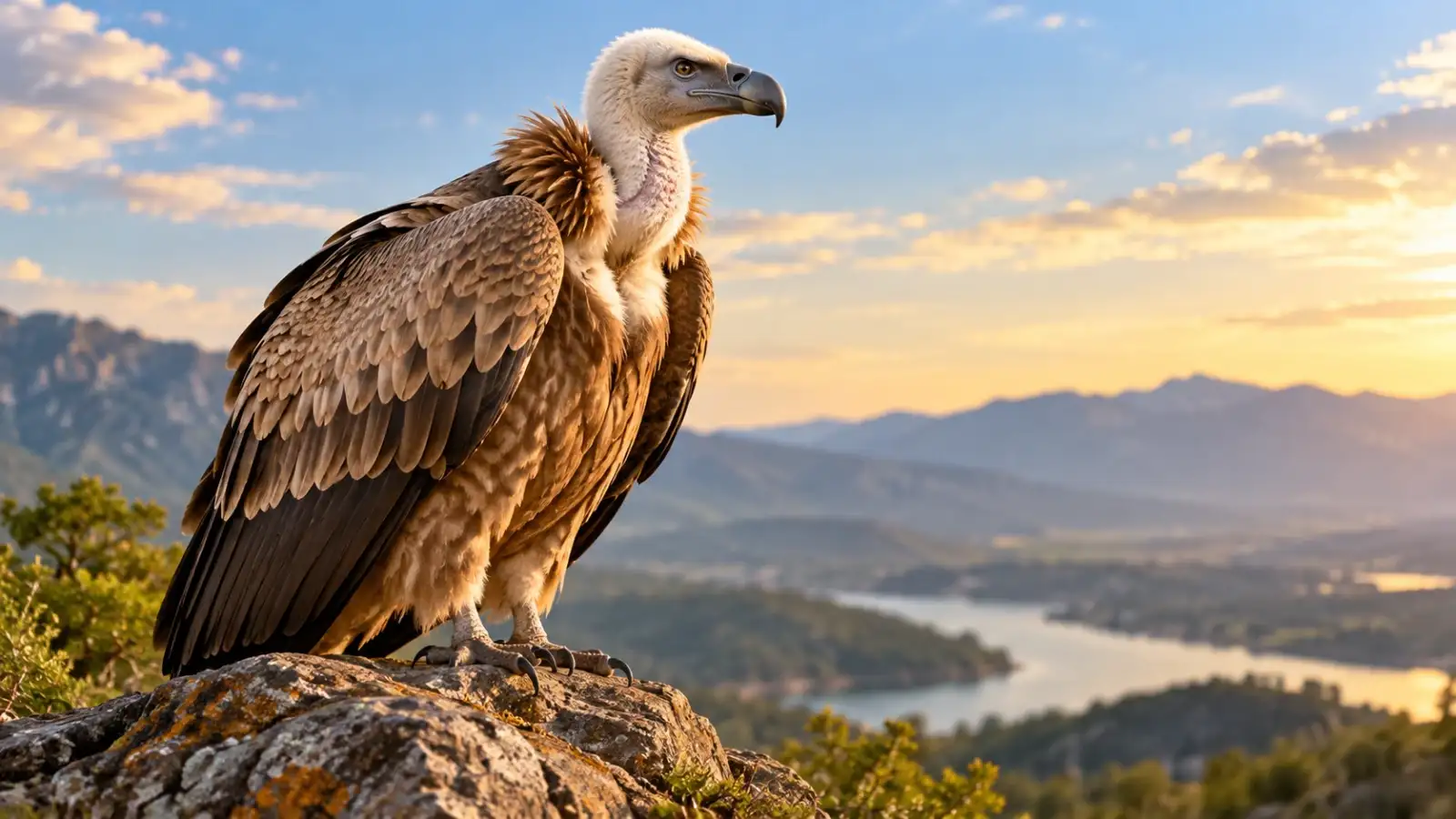
From supporting natural waste disposal to helping maintain ecological balance, vultures perform several important functions. Their role also extends to human health, making their conservation far more significant than many people realise.
Vultures locate these remains using their excellent eyesight and, in some species, a highly developed sense of smell. They can consume substantial amounts of carrion, sometimes stripping a carcass down to bones in a relatively short period.
This natural clean-up service helps keep landscapes clear of animal remains without requiring human intervention. It is particularly valuable in open habitats where dead animals may otherwise remain exposed to the elements.
Vultures also have highly acidic stomachs that allow them to digest carrion containing microorganisms that could harm many other animals. Their digestive systems are adapted to this unusual diet.
However, vultures do not eliminate every disease risk, and their presence cannot guarantee that an environment is free from infection. Their contribution is part of a broader natural system that helps manage animal remains and supports public and wildlife health.
Vultures occupy an important place in this network. By removing carcasses, they influence how nutrients move through the environment and how other scavengers access food.
When vulture populations decline, this balance can change. Other animals may make greater use of carcasses, altering feeding patterns and interactions between species. Protecting vultures therefore helps preserve the relationships that allow ecosystems to function effectively.
This process is part of nutrient cycling, which helps move essential elements through ecosystems. Other organisms, including bacteria, fungi and insects, continue the decomposition process.
Vultures do not replace these decomposers. Instead, they work alongside them by removing large quantities of animal tissue and making the overall process more efficient.
In India, the dramatic decline of vultures has been linked to increased availability of carcasses for other scavengers. Research has also examined how changes in dog populations may affect rabies risk and human health.
The relationship is complex, and vultures alone do not control feral dog numbers. Nevertheless, their rapid consumption of carcasses can reduce one source of food available to other scavengers and influence local ecological conditions.
Vultures help remove livestock carcasses naturally, reducing the amount of animal waste left in the open. This service can be especially valuable in areas where people and livestock live close to wildlife habitats.
Their ecological contribution also demonstrates why wildlife conservation matters beyond protected forests. Species that perform essential natural functions can benefit people, farms and communities that depend on healthy surroundings.
Because many vultures travel long distances while searching for food, researchers can also use tracking devices to understand wildlife movements and identify areas where conservation action is needed.
In certain circumstances, vulture deaths or unusual behaviour can alert conservation teams to poisoned carcasses or illegal wildlife killing. Monitoring these birds can therefore provide useful information about threats affecting other animals and their habitats.
By studying where vultures travel, nest and feed, scientists can learn more about animal movements, food availability and changes in habitat quality.
This research can guide conservation planning, including the protection of nesting cliffs, safe feeding areas and important movement corridors.
Their behaviour can also help researchers understand how wildlife responds to human activity and environmental change.
Many of these birds have faced serious population declines. One major cause has been diclofenac, a veterinary anti-inflammatory drug given to livestock. Vultures that consumed carcasses containing harmful residues could suffer fatal kidney failure.
Other threats include poisoning, collisions with power infrastructure, habitat disturbance and changes in food availability.
Conservation efforts in India include captive breeding, monitoring wild populations, protecting suitable habitats and promoting the safe use of veterinary medicines. These measures are essential for rebuilding populations and preserving the ecological services vultures provide.
Safer livestock medicines, responsible carcass disposal, protection of nesting areas and action against poisoning can all support vulture survival. Public awareness is equally important because misconceptions about scavengers can make conservation more difficult.
People can contribute by supporting credible wildlife conservation organisations, reporting suspected wildlife poisoning to the relevant authorities and learning about the vulture species found in their region.
When vultures thrive, they help maintain the natural processes that connect wildlife, landscapes and human communities.
Yet poisoning, harmful veterinary drugs and habitat pressures have put several species at risk. Protecting vultures means recognising the value of a bird not for its appearance, but for the vital work it performs. Healthy ecosystems need scavengers just as they need predators, pollinators and decomposers.
From supporting natural waste disposal to helping maintain ecological balance, vultures perform several important functions. Their role also extends to human health, making their conservation far more significant than many people realise.
1. Vultures Act as Nature's Clean-Up Crew
One of the most important roles of vultures is removing dead animals from the environment. When livestock or wild animals die, their carcasses can become a source of organic waste.Vultures locate these remains using their excellent eyesight and, in some species, a highly developed sense of smell. They can consume substantial amounts of carrion, sometimes stripping a carcass down to bones in a relatively short period.
This natural clean-up service helps keep landscapes clear of animal remains without requiring human intervention. It is particularly valuable in open habitats where dead animals may otherwise remain exposed to the elements.
2. They Help Reduce the Risk of Disease Transmission
Dead animals can harbour bacteria and other disease-causing organisms. By consuming carcasses quickly, vultures can reduce the time these remains are available to other animals and limit certain opportunities for pathogens to spread.Vultures also have highly acidic stomachs that allow them to digest carrion containing microorganisms that could harm many other animals. Their digestive systems are adapted to this unusual diet.
However, vultures do not eliminate every disease risk, and their presence cannot guarantee that an environment is free from infection. Their contribution is part of a broader natural system that helps manage animal remains and supports public and wildlife health.
3. Vultures Help Maintain Ecological Balance
Healthy ecosystems depend on many species performing different roles. Predators regulate prey populations, insects break down organic matter, and scavengers consume dead animals.Vultures occupy an important place in this network. By removing carcasses, they influence how nutrients move through the environment and how other scavengers access food.
When vulture populations decline, this balance can change. Other animals may make greater use of carcasses, altering feeding patterns and interactions between species. Protecting vultures therefore helps preserve the relationships that allow ecosystems to function effectively.
4. They Support Nutrient Recycling
When vultures feed, they help return nutrients contained in animal remains to the wider environment. They also distribute some of these nutrients through their droppings.This process is part of nutrient cycling, which helps move essential elements through ecosystems. Other organisms, including bacteria, fungi and insects, continue the decomposition process.
Vultures do not replace these decomposers. Instead, they work alongside them by removing large quantities of animal tissue and making the overall process more efficient.
5. Vultures Can Help Limit the Availability of Food for Feral Dogs
When carcasses remain accessible, they can provide food for a range of scavenging animals, including feral dogs and rats. In some places where vulture numbers have fallen sharply, researchers have documented changes in scavenger populations and feeding opportunities.In India, the dramatic decline of vultures has been linked to increased availability of carcasses for other scavengers. Research has also examined how changes in dog populations may affect rabies risk and human health.
The relationship is complex, and vultures alone do not control feral dog numbers. Nevertheless, their rapid consumption of carcasses can reduce one source of food available to other scavengers and influence local ecological conditions.
6. They Provide Benefits to Rural Communities
In rural areas, livestock are an important part of daily life and the local economy. When an animal dies, disposing of its remains can be difficult, especially where access to formal waste-management services is limited.Vultures help remove livestock carcasses naturally, reducing the amount of animal waste left in the open. This service can be especially valuable in areas where people and livestock live close to wildlife habitats.
Their ecological contribution also demonstrates why wildlife conservation matters beyond protected forests. Species that perform essential natural functions can benefit people, farms and communities that depend on healthy surroundings.
7. Vultures Offer Clues About Environmental Health
Changes in vulture populations can reveal problems affecting the wider environment. A sudden decline may point to poisoning, food shortages, habitat disturbance or exposure to harmful chemicals.Because many vultures travel long distances while searching for food, researchers can also use tracking devices to understand wildlife movements and identify areas where conservation action is needed.
In certain circumstances, vulture deaths or unusual behaviour can alert conservation teams to poisoned carcasses or illegal wildlife killing. Monitoring these birds can therefore provide useful information about threats affecting other animals and their habitats.
8. They Help Scientists Understand Ecosystems
Vultures are useful subjects for studying how species interact across large landscapes. Their feeding habits connect them with predators, livestock, wild herbivores and other scavengers.By studying where vultures travel, nest and feed, scientists can learn more about animal movements, food availability and changes in habitat quality.
This research can guide conservation planning, including the protection of nesting cliffs, safe feeding areas and important movement corridors.
Their behaviour can also help researchers understand how wildlife responds to human activity and environmental change.
9. Vultures Are Important to India's Natural Heritage
India is home to several vulture species, including the white-rumped vulture, Indian vulture, slender-billed vulture, Egyptian vulture, red-headed vulture and bearded vulture.Many of these birds have faced serious population declines. One major cause has been diclofenac, a veterinary anti-inflammatory drug given to livestock. Vultures that consumed carcasses containing harmful residues could suffer fatal kidney failure.
You may also like
- Pandavara Batti: The leaves of this plant can burn like cotton in a lamp and give off a camphor like aroma
- DAY 6 KATYAYANI: The Five Questions Anger Must Answer
- Danish parents raise their children to be extremely confident by doing this: 3 habits to try
- From the Ramayana to the runway: How Two Até is giving the traditional Indian paduka a maximalist makeover
- A little girl fell into an open drain in Panipat: The CCTV-captured rescue is a reminder to parents during rains, flooded drains, potholes and road openings can hide dangers children may not see
Other threats include poisoning, collisions with power infrastructure, habitat disturbance and changes in food availability.
Conservation efforts in India include captive breeding, monitoring wild populations, protecting suitable habitats and promoting the safe use of veterinary medicines. These measures are essential for rebuilding populations and preserving the ecological services vultures provide.
10. Protecting Vultures Benefits Entire Ecosystems
Vulture conservation is not simply about saving a single group of birds. It is about protecting the wider natural systems that depend on their feeding habits.Safer livestock medicines, responsible carcass disposal, protection of nesting areas and action against poisoning can all support vulture survival. Public awareness is equally important because misconceptions about scavengers can make conservation more difficult.
People can contribute by supporting credible wildlife conservation organisations, reporting suspected wildlife poisoning to the relevant authorities and learning about the vulture species found in their region.
When vultures thrive, they help maintain the natural processes that connect wildlife, landscapes and human communities.
Why Vultures Deserve Greater Protection
Vultures perform an essential job that often goes unnoticed. They remove animal remains, contribute to nutrient recycling, influence scavenger communities and help reduce certain disease-transmission risks. Their role is especially important in places where livestock and wildlife share the same landscape.Yet poisoning, harmful veterinary drugs and habitat pressures have put several species at risk. Protecting vultures means recognising the value of a bird not for its appearance, but for the vital work it performs. Healthy ecosystems need scavengers just as they need predators, pollinators and decomposers.






Loving Newspoint? Download the app now
