
Why Do We Believe in Superstitions Even When We Know They Make No Sense?

"I don't believe in superstitions..." That's something a lot of people say. But then the same person will refuse to walk under a ladder, quickly touch wood after saying, "Nothing can go wrong now," or wear the same outfit because they got lucky in it once.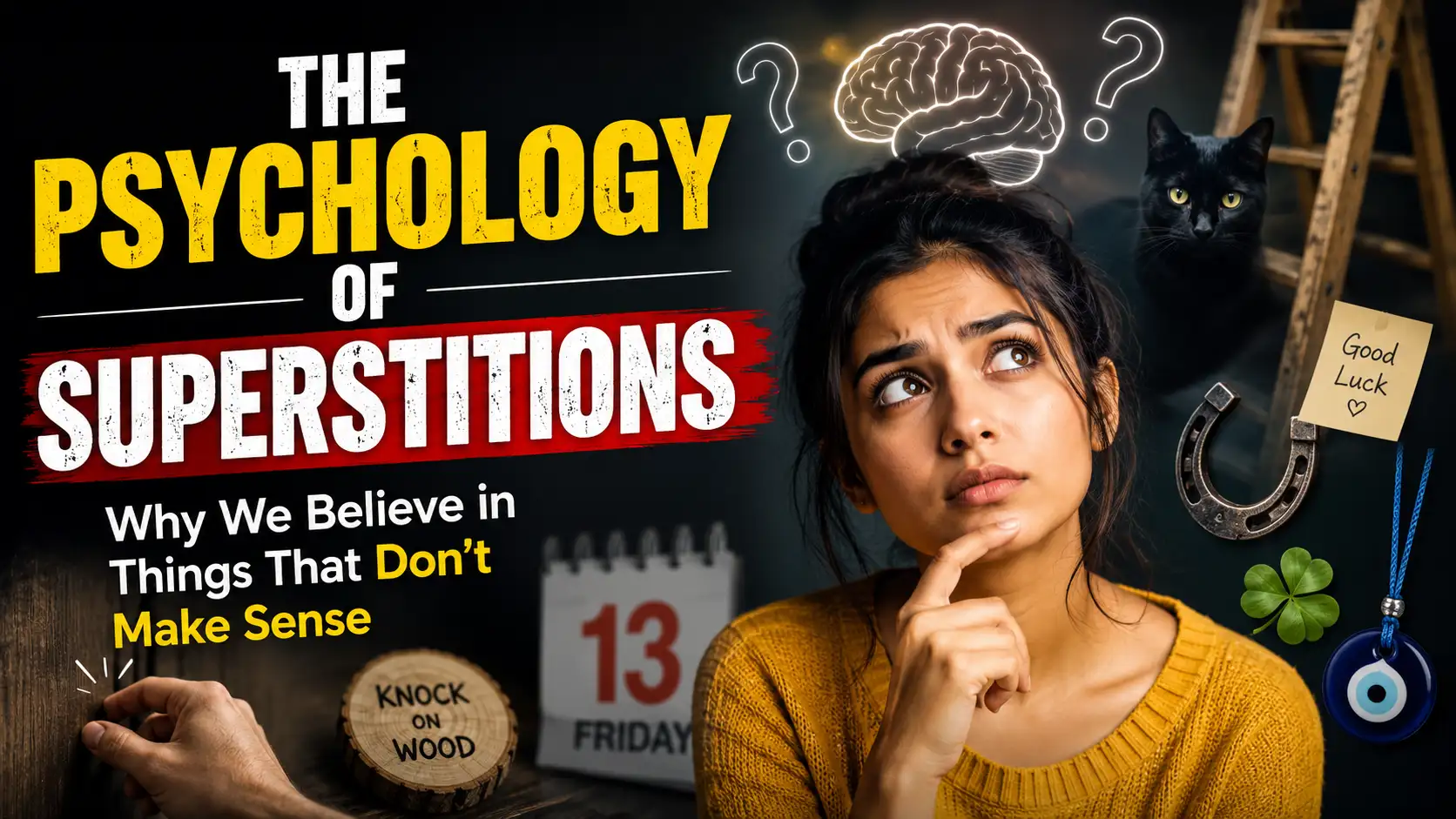
Sounds familiar? The funny thing is, superstitions aren't just for people who believe in ghosts or magic. Even the most educated, logical people have little rituals they follow without really thinking about them. Not because they truly believe something bad will happen if they don't, but because... well, why take the chance? And that's exactly what makes superstitions so interesting. They're not really about luck. They're about us.
Think about this. You wear a particular watch on the day you crack an interview. A month later, you have another interview. Without even realising it, you reach for the same watch.
Did the watch get you the job? Of course not. But your brain quietly connected those two moments. Our minds are constantly looking for patterns. Sometimes those patterns are real. Sometimes they're just coincidences that our brain decides are connected. It's simply how we're wired. When Life Feels Uncertain, We Look for Something to Hold On To
Whether it's an exam result, a job interview, a medical report, or even waiting for someone to reply to your text, not knowing what happens next can make anyone anxious.
That's when little rituals suddenly become comforting. Some people always carry the same pen into exams. Cricketers have pre-match routines. Actors say a quiet prayer before going on stage. These habits don't magically change the outcome, but they make people feel calmer. And sometimes, feeling calm is half the battle.
We Learn These Beliefs Without Even Realising It
Most of us didn't invent our superstitions. We picked them up from our parents, grandparents, neighbours, movies, or simply by growing up around them. Maybe someone told you not to cut your nails at night.
Maybe you've heard that sneezing just before leaving the house isn't a good sign. Or perhaps you've seen people stop for a second after a black cat crosses the road.
Our Memory Plays Tricks
Here is something our minds do constantly. Whether we believe them or not, these ideas become part of our daily lives without us noticing. If you wear your "lucky shoes" and something amazing happens, you'll probably remember it for years.
But what about the fifty other days you wore those same shoes and nothing special happened? Those moments disappear from memory. We naturally remember the coincidences that support what we already believe and forget the ones that don't. It's one of the reasons superstitions stick around for so long.
At the end of the day, superstitions don't survive because they work. They survive because they make us feel better. They are a little bit of comfort in unpredictable times. They make the stressful a little less stressful. And sometimes that is enough.
As long as they don't stop us from making sensible decisions or replacing facts with blind belief, there's no real harm in having a lucky charm or a small ritual before a big day. Maybe the biggest mystery isn't why superstitions exist. Maybe it's why the human mind loves hope so much that it creates it in the first place.
Sounds familiar? The funny thing is, superstitions aren't just for people who believe in ghosts or magic. Even the most educated, logical people have little rituals they follow without really thinking about them. Not because they truly believe something bad will happen if they don't, but because... well, why take the chance? And that's exactly what makes superstitions so interesting. They're not really about luck. They're about us.
Our Brain Loves Connecting Dots
Think about this. You wear a particular watch on the day you crack an interview. A month later, you have another interview. Without even realising it, you reach for the same watch.
Did the watch get you the job? Of course not. But your brain quietly connected those two moments. Our minds are constantly looking for patterns. Sometimes those patterns are real. Sometimes they're just coincidences that our brain decides are connected. It's simply how we're wired. When Life Feels Uncertain, We Look for Something to Hold On To
Nobody likes uncertainty
Whether it's an exam result, a job interview, a medical report, or even waiting for someone to reply to your text, not knowing what happens next can make anyone anxious.
You may also like
- Should you give your baby a pacifier? What science says about the benefits, hidden risks of using them and what parents need to know
- Using credit and debit cards abroad to become costlier; banks hike overseas fees..
- Protecting Children in Today's World: Recognising Red Flags and Understanding Rights
- Snake Prevention Tips: Follow these easy tips to prevent snakes from coming in the rain
- Home Loan: Opting for a low down payment? Here are the downsides
That's when little rituals suddenly become comforting. Some people always carry the same pen into exams. Cricketers have pre-match routines. Actors say a quiet prayer before going on stage. These habits don't magically change the outcome, but they make people feel calmer. And sometimes, feeling calm is half the battle.
We Learn These Beliefs Without Even Realising It
Most of us didn't invent our superstitions. We picked them up from our parents, grandparents, neighbours, movies, or simply by growing up around them. Maybe someone told you not to cut your nails at night.
Maybe you've heard that sneezing just before leaving the house isn't a good sign. Or perhaps you've seen people stop for a second after a black cat crosses the road.
Our Memory Plays Tricks
Here is something our minds do constantly. Whether we believe them or not, these ideas become part of our daily lives without us noticing. If you wear your "lucky shoes" and something amazing happens, you'll probably remember it for years.
But what about the fifty other days you wore those same shoes and nothing special happened? Those moments disappear from memory. We naturally remember the coincidences that support what we already believe and forget the ones that don't. It's one of the reasons superstitions stick around for so long.
Maybe Superstitions Aren't Really About Luck
At the end of the day, superstitions don't survive because they work. They survive because they make us feel better. They are a little bit of comfort in unpredictable times. They make the stressful a little less stressful. And sometimes that is enough.
As long as they don't stop us from making sensible decisions or replacing facts with blind belief, there's no real harm in having a lucky charm or a small ritual before a big day. Maybe the biggest mystery isn't why superstitions exist. Maybe it's why the human mind loves hope so much that it creates it in the first place.






Loving Newspoint? Download the app now
