
Why Do We Feel Like Different People When We Travel Alone?

Have you ever noticed that you behave differently when you are away from home on your own? You might strike up conversations with strangers, try unfamiliar food or explore a place without worrying about whether everyone else is enjoying themselves. At home, those same decisions might feel surprisingly difficult.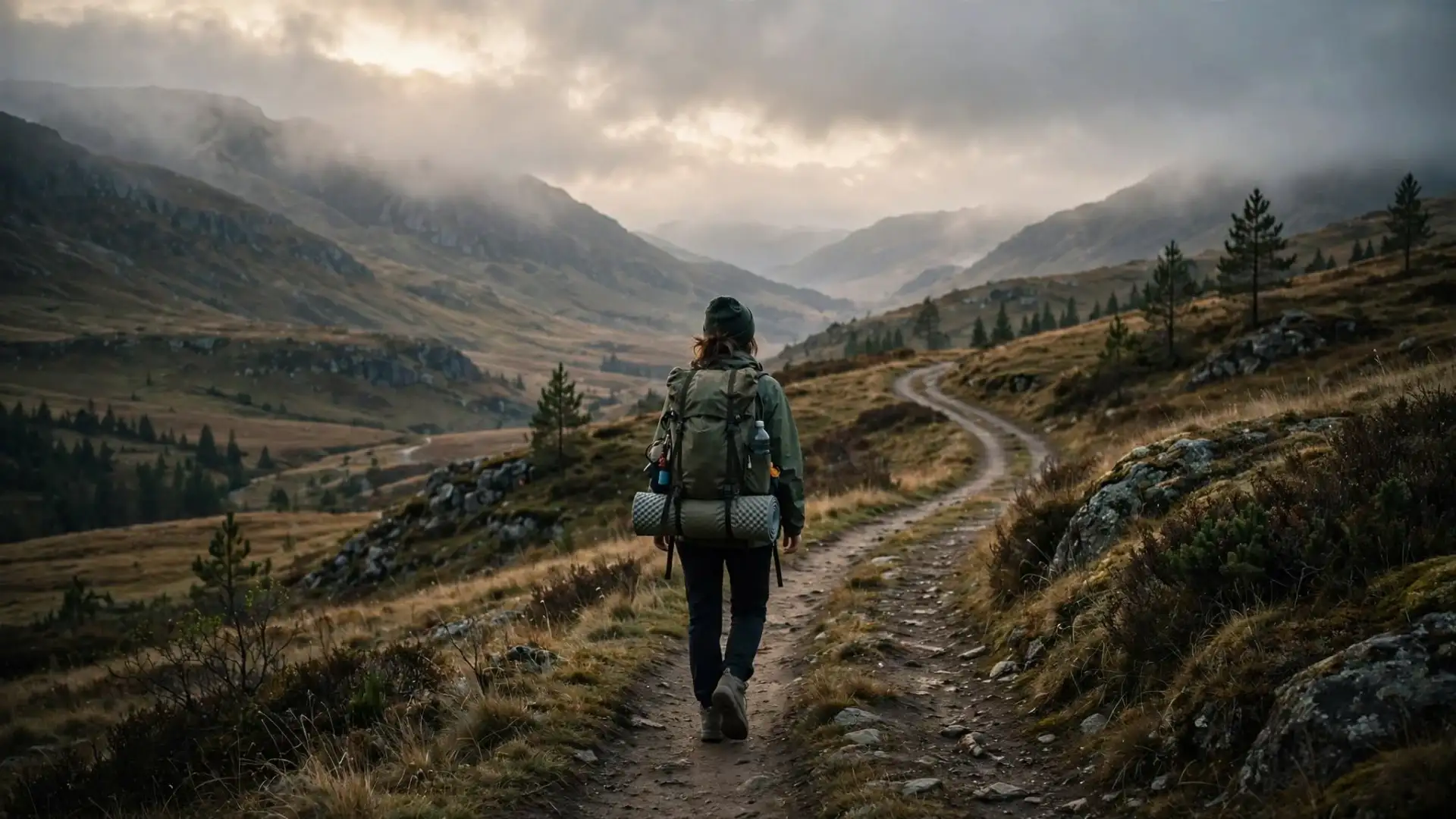
This is one of the interesting aspects of solo travel. Stepping away from familiar surroundings can change how we make decisions, interact with others and think about ourselves. But why does travelling alone sometimes make us feel like a completely different person?
Travelling alone disrupts these routines. You may have to decide where to eat, which attraction to visit or how to handle an unexpected delay without relying on someone else's opinion.
These small choices encourage independence. Instead of automatically following familiar patterns, you have opportunities to discover what you genuinely enjoy.
A person who usually lets friends choose the restaurant might discover a love for exploring local food markets. Someone who rarely plans outings might become comfortable navigating an unfamiliar city.
Solo travel does not necessarily transform your personality. It simply gives you opportunities to express preferences that everyday routines may leave unexplored.
When travelling alone, there is no need to negotiate every decision. You can change your plans, spend hours at one attraction or leave a place after ten minutes if it does not interest you.
This freedom can reduce the pressure to perform a particular social role. You are not constantly responding to friends' expectations or trying to keep everyone happy.
It can also make ordinary activities feel more personal. Eating alone, asking for directions or spending an afternoon without conversation may become easier through experience.
Away from our usual social circles, we may feel less restricted by how other people perceive us. Nobody in a new city necessarily knows our job title, school history or established reputation.
This can create space to try something different, whether that means joining a walking tour, learning a few local phrases or talking to someone new.
However, not everyone becomes outgoing while travelling alone. Some people discover that they prefer solitude, while others miss familiar company. Both reactions are perfectly normal.
Handling these situations can build confidence because you gain evidence that you can manage unfamiliar circumstances.
The effect does not require a dramatic adventure. Successfully navigating a new neighbourhood or arranging your own day can be enough to make independent decisions feel less intimidating.
These experiences may also change how you approach challenges after returning home.
You may return with new interests or simply a clearer understanding of your preferences.
Ultimately, travelling alone does not mean becoming someone else. It can help you discover parts of yourself that rarely get the chance to emerge in familiar surroundings. Sometimes, a change of location offers something more valuable than a holiday: the opportunity to understand yourself a little better.
This is one of the interesting aspects of solo travel. Stepping away from familiar surroundings can change how we make decisions, interact with others and think about ourselves. But why does travelling alone sometimes make us feel like a completely different person?
Without Familiar Routines, We Make New Choices
Everyday life comes with established patterns. We follow familiar routes, visit the same places and often make decisions based on convenience or habit.Travelling alone disrupts these routines. You may have to decide where to eat, which attraction to visit or how to handle an unexpected delay without relying on someone else's opinion.
These small choices encourage independence. Instead of automatically following familiar patterns, you have opportunities to discover what you genuinely enjoy.
A person who usually lets friends choose the restaurant might discover a love for exploring local food markets. Someone who rarely plans outings might become comfortable navigating an unfamiliar city.
Solo travel does not necessarily transform your personality. It simply gives you opportunities to express preferences that everyday routines may leave unexplored.
We Become Less Conscious of Other People's Opinions
Group travel involves compromise. One person wants to visit a museum, another prefers shopping, and someone else would rather spend the afternoon at a café.When travelling alone, there is no need to negotiate every decision. You can change your plans, spend hours at one attraction or leave a place after ten minutes if it does not interest you.
This freedom can reduce the pressure to perform a particular social role. You are not constantly responding to friends' expectations or trying to keep everyone happy.
It can also make ordinary activities feel more personal. Eating alone, asking for directions or spending an afternoon without conversation may become easier through experience.
New Surroundings Can Bring Out Different Sides of Us
Our behaviour is influenced by the situations we find ourselves in. A familiar workplace may encourage us to be cautious and professional, while a new destination can make experimentation feel easier.Away from our usual social circles, we may feel less restricted by how other people perceive us. Nobody in a new city necessarily knows our job title, school history or established reputation.
This can create space to try something different, whether that means joining a walking tour, learning a few local phrases or talking to someone new.
You may also like
- ICMR Clarifies Best Vaccine for India and Stock Availability
- Bitter Neem, Sweet Health: Why Chewing Morning Neem Leaves Is a Daily Detox Miracle
- Scientific Storage Timelines, Health Hazards, and How Long It Stays Safe to Drink
- Stomach Bloating and Gas Relief: 5 Simple Home Remedies That May Help Improve Digestion Naturally
- 'It's a misconception that celeb kids are soft. We train them to work harder'
However, not everyone becomes outgoing while travelling alone. Some people discover that they prefer solitude, while others miss familiar company. Both reactions are perfectly normal.
Why Solo Travel Can Build Confidence
Travelling independently presents small challenges that require practical problem-solving. A missed connection, a confusing public transport system or a change in weather may force you to adapt.Handling these situations can build confidence because you gain evidence that you can manage unfamiliar circumstances.
The effect does not require a dramatic adventure. Successfully navigating a new neighbourhood or arranging your own day can be enough to make independent decisions feel less intimidating.
These experiences may also change how you approach challenges after returning home.
Coming Home With a Different Perspective
The most interesting part of solo travel may be what happens afterwards. Time away can help you recognise which routines you value, which activities you pursue out of habit and where you would like greater independence.You may return with new interests or simply a clearer understanding of your preferences.
Ultimately, travelling alone does not mean becoming someone else. It can help you discover parts of yourself that rarely get the chance to emerge in familiar surroundings. Sometimes, a change of location offers something more valuable than a holiday: the opportunity to understand yourself a little better.






Loving Newspoint? Download the app now
