
Why We Keep Buying Things We Don’t Need: The Hidden Psychology Behind “Just One More”

You already have a water bottle, but another one suddenly looks perfect.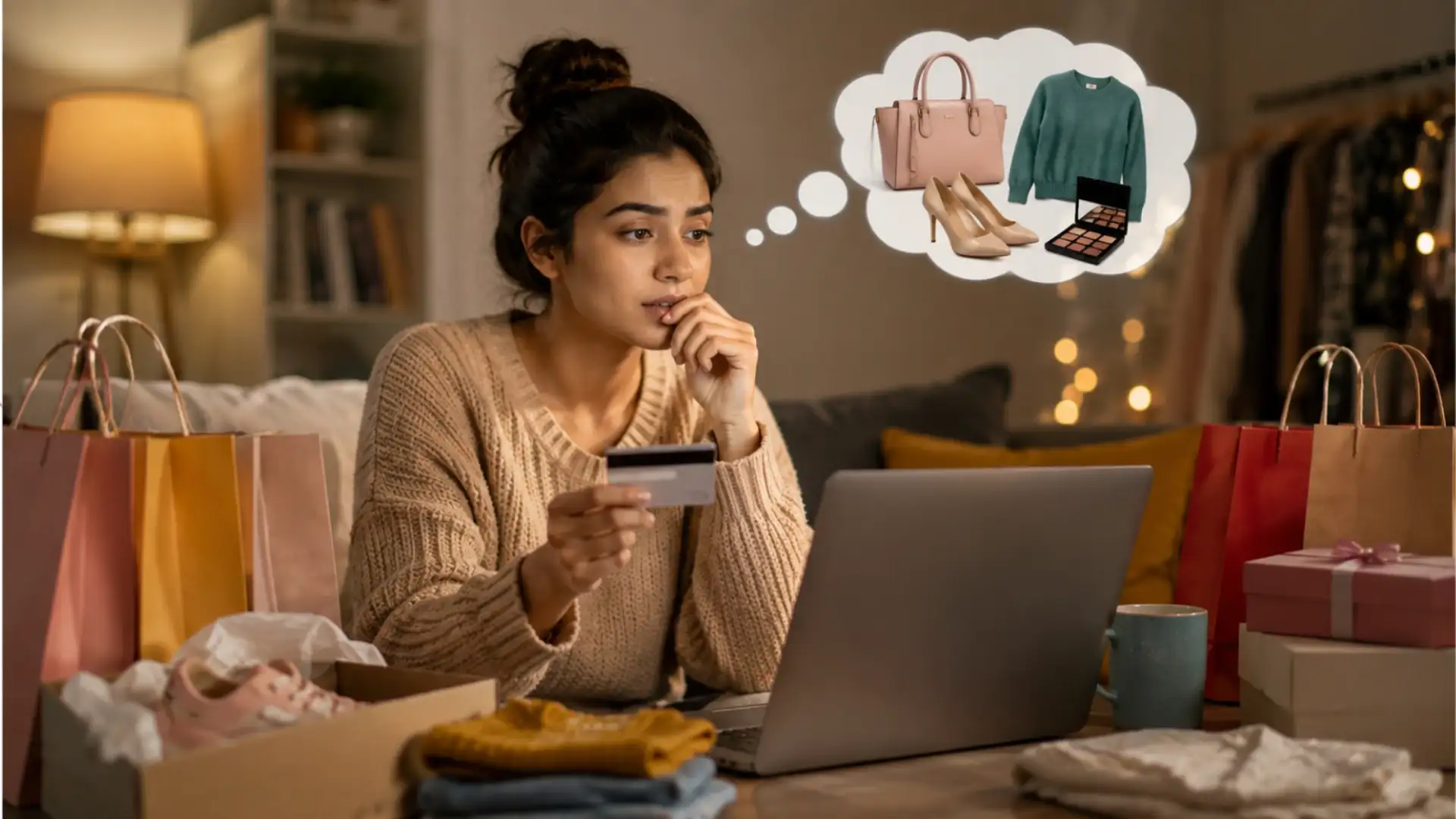
You own enough clothes, but the new collection makes you want something different.
Your phone works perfectly, but a newer model starts to feel strangely necessary.
You open an online shopping app just to browse.
Twenty minutes later, something is on the way to your house.
The strange part is that you often know you do not need it.
So why do you still want it?
The psychology of impulse buying is more complicated than simply having poor self-control. Research describes impulsive purchases as behaviour involving emotional activation, relatively low cognitive control and reactive decision-making.
A major review of impulse-buying research also identifies factors including emotions, self-control, shopping resources and marketing stimuli.
In other words, “Just one more” is rarely just about the object.
It is often about what the object promises to make you feel.
You scroll through an online store and find a comfortable-looking hoodie.
You don't necessarily need another hoodie.
But the idea of owning it creates a tiny emotional lift.
For a moment, you imagine yourself wearing it on a relaxed weekend. The product becomes connected with comfort, reward or the version of yourself you would like to be.
That emotional association can be powerful.
Research has long linked impulse buying with emotional activation, and more recent reviews continue to identify emotions as an important part of the process.
This helps explain why unnecessary purchases are often made when people are bored, stressed, excited or looking for stimulation.
That is precisely the problem.
₹499 does not feel like a financial decision in the same way as ₹49,999.
The brain evaluates the immediate purchase while the consequences are distributed across the future.
One small purchase becomes another.
Then another.
The issue is not always the price of an individual item. It is the accumulation of decisions.
This is particularly easy online because digital shopping removes many of the physical signals that normally make spending feel substantial.
But if you spend money on something you did not need, you have not actually saved the full price.
You have spent the discounted amount.
Promotional messages can nevertheless alter the emotional framing of a purchase. Research reviewing impulse buying has found that marketing stimuli, including communication and price-related cues, can influence impulse-buying behaviour.
This is why phrases such as “limited-time offer,” “only a few left” and “sale ends tonight” can create urgency.
The question changes from:
“Do I need this?”
to:
“Can I afford to miss this?”
Those are completely different questions.
A product available indefinitely feels different from one supposedly available for only a few hours.
Scarcity can create urgency because people fear losing an opportunity.
That does not mean every scarcity message is deceptive. Genuine limited availability exists.
But when scarcity is used as a marketing strategy, it can push consumers towards decisions they might not make under less pressured conditions.
The psychology of scarcity is particularly powerful when combined with social proof.
If an item is described as both limited and popular, the message becomes even stronger:
Other people want it. There may not be much left. You should act now.
The search itself can be rewarding.
You compare products. Read reviews. Imagine possibilities. Build a shortlist. Discover something unexpected.
This process creates anticipation.
The purchase becomes the conclusion of a little story.
That is one reason simply deleting a shopping app does not always solve unnecessary spending. If shopping has become a way to deal with boredom or stress, removing the app does not remove the underlying need for stimulation or comfort.
You have to replace the behaviour, not merely block it.
That can be convenient, but it can also create cognitive overload.
A meta-analysis of 99 observations involving more than 7,200 participants found that choice overload depends on factors such as decision difficulty, preference uncertainty, choice-set complexity and the goal of the decision-maker.
This is important because “more choice is always bad” is too simplistic.
Sometimes a large selection is useful.
But when you are uncertain about what you actually want, endless options can make shopping more mentally demanding.
And when you are already browsing without a clear purpose, every additional product becomes another opportunity to find something you suddenly “need.”
During the purchase, anticipation is high.
After the purchase, the object becomes ordinary.
This is one reason unnecessary purchases can produce a familiar sequence:
Want → Search → Anticipation → Purchase → Excitement → Normality → Regret
The emotional reward was partly connected to anticipation.
Once the object arrives, the anticipation disappears.
Research on materialism also finds a broad negative relationship between materialistic values and well-being, although the relationship is complex and depends partly on why people consume.
“If this were not on sale, would I still want it?”
Then ask:
“Would I buy this if I had to store it, clean it and maintain it forever?”
Finally:
“What problem am I expecting this product to solve?”
These questions create distance between the emotional urge and the purchase.
A 24-hour waiting period can also help because it allows the initial excitement to fade before the decision becomes final.
Buying something you genuinely love or need can be enjoyable.
The healthier distinction is between intentional consumption and automatic consumption.
Intentional shopping begins with a reason.
Automatic shopping begins with a trigger.
The difference may be only a few seconds of reflection.
You may genuinely want the item.
Or you may want the feeling associated with getting it.
Those are not the same thing.
Once you learn to recognise the difference, the question becomes much easier:
Do I want this thing, or do I want what I think this thing will make me feel?
Sometimes, the answer will be the thing.
Sometimes, it will be the feeling.
And occasionally, you'll realise you needed neither.
You own enough clothes, but the new collection makes you want something different.
Your phone works perfectly, but a newer model starts to feel strangely necessary.
You open an online shopping app just to browse.
Twenty minutes later, something is on the way to your house.
The strange part is that you often know you do not need it.
So why do you still want it?
The psychology of impulse buying is more complicated than simply having poor self-control. Research describes impulsive purchases as behaviour involving emotional activation, relatively low cognitive control and reactive decision-making.
A major review of impulse-buying research also identifies factors including emotions, self-control, shopping resources and marketing stimuli.
In other words, “Just one more” is rarely just about the object.
It is often about what the object promises to make you feel.
You Are Often Buying the Feeling, Not the Product
Imagine you have had an exhausting day.You scroll through an online store and find a comfortable-looking hoodie.
You don't necessarily need another hoodie.
But the idea of owning it creates a tiny emotional lift.
For a moment, you imagine yourself wearing it on a relaxed weekend. The product becomes connected with comfort, reward or the version of yourself you would like to be.
That emotional association can be powerful.
Research has long linked impulse buying with emotional activation, and more recent reviews continue to identify emotions as an important part of the process.
This helps explain why unnecessary purchases are often made when people are bored, stressed, excited or looking for stimulation.
“Just One More” Works Because the Cost Feels Small
A single inexpensive purchase rarely feels dangerous.That is precisely the problem.
₹499 does not feel like a financial decision in the same way as ₹49,999.
The brain evaluates the immediate purchase while the consequences are distributed across the future.
One small purchase becomes another.
Then another.
The issue is not always the price of an individual item. It is the accumulation of decisions.
This is particularly easy online because digital shopping removes many of the physical signals that normally make spending feel substantial.
Discounts Can Change How the Brain Frames the Purchase
“40% off” sounds like saving money.But if you spend money on something you did not need, you have not actually saved the full price.
You have spent the discounted amount.
Promotional messages can nevertheless alter the emotional framing of a purchase. Research reviewing impulse buying has found that marketing stimuli, including communication and price-related cues, can influence impulse-buying behaviour.
This is why phrases such as “limited-time offer,” “only a few left” and “sale ends tonight” can create urgency.
The question changes from:
“Do I need this?”
to:
“Can I afford to miss this?”
Those are completely different questions.
Scarcity Makes Things Feel More Valuable
Humans tend to pay attention to things that appear difficult to obtain.A product available indefinitely feels different from one supposedly available for only a few hours.
Scarcity can create urgency because people fear losing an opportunity.
That does not mean every scarcity message is deceptive. Genuine limited availability exists.
But when scarcity is used as a marketing strategy, it can push consumers towards decisions they might not make under less pressured conditions.
The psychology of scarcity is particularly powerful when combined with social proof.
If an item is described as both limited and popular, the message becomes even stronger:
Other people want it. There may not be much left. You should act now.
Your Brain Likes the Search Too
Shopping is not only about the moment of purchase.The search itself can be rewarding.
You compare products. Read reviews. Imagine possibilities. Build a shortlist. Discover something unexpected.
This process creates anticipation.
The purchase becomes the conclusion of a little story.
That is one reason simply deleting a shopping app does not always solve unnecessary spending. If shopping has become a way to deal with boredom or stress, removing the app does not remove the underlying need for stimulation or comfort.
You have to replace the behaviour, not merely block it.
Choice Can Make You Buy More, But Not Always
Modern shopping gives us an extraordinary number of options.That can be convenient, but it can also create cognitive overload.
A meta-analysis of 99 observations involving more than 7,200 participants found that choice overload depends on factors such as decision difficulty, preference uncertainty, choice-set complexity and the goal of the decision-maker.
This is important because “more choice is always bad” is too simplistic.
Sometimes a large selection is useful.
But when you are uncertain about what you actually want, endless options can make shopping more mentally demanding.
And when you are already browsing without a clear purpose, every additional product becomes another opportunity to find something you suddenly “need.”
The Identity Trap
Sometimes purchases are about identity.You don't just buy running shoes.You buy the identity of someone who runs.You don't just buy a cookbook.You buy the possibility of becoming someone who cooks regularly.You don't just buy a notebook.You buy the fantasy of becoming organised.This is why unused products can accumulate.The product was purchased for the imagined future version of yourself.The problem is that the object cannot automatically create the behaviour.Buying running shoes does not make you a runner.Buying a guitar does not make you a musician.Buying a planner does not automatically make you organised.Why We Regret Purchases Later
The emotional state during shopping may be very different from the emotional state several hours later.During the purchase, anticipation is high.
After the purchase, the object becomes ordinary.
This is one reason unnecessary purchases can produce a familiar sequence:
Want → Search → Anticipation → Purchase → Excitement → Normality → Regret
The emotional reward was partly connected to anticipation.
Once the object arrives, the anticipation disappears.
Research on materialism also finds a broad negative relationship between materialistic values and well-being, although the relationship is complex and depends partly on why people consume.
A Simple Question Can Interrupt the Cycle
Before buying something unnecessary, ask:“If this were not on sale, would I still want it?”
Then ask:
“Would I buy this if I had to store it, clean it and maintain it forever?”
Finally:
“What problem am I expecting this product to solve?”
These questions create distance between the emotional urge and the purchase.
A 24-hour waiting period can also help because it allows the initial excitement to fade before the decision becomes final.
Buying Less Is Not the Same as Enjoying Less
The goal is not to stop shopping altogether.Buying something you genuinely love or need can be enjoyable.
The healthier distinction is between intentional consumption and automatic consumption.
Intentional shopping begins with a reason.
Automatic shopping begins with a trigger.
The difference may be only a few seconds of reflection.
The Next Time You Think “Just One More”
Pause.You may genuinely want the item.
Or you may want the feeling associated with getting it.
Those are not the same thing.
Once you learn to recognise the difference, the question becomes much easier:
Do I want this thing, or do I want what I think this thing will make me feel?
Sometimes, the answer will be the thing.
Sometimes, it will be the feeling.
And occasionally, you'll realise you needed neither.
Next Story