
Why Do We Find It Hard to Throw Away Old Phone Chargers and Cables?

Somewhere in the house, there is probably a drawer containing a tangled collection of charging cables. A few belong to old phones, one might fit a forgotten speaker, and another has an unidentified connector that nobody can remember buying.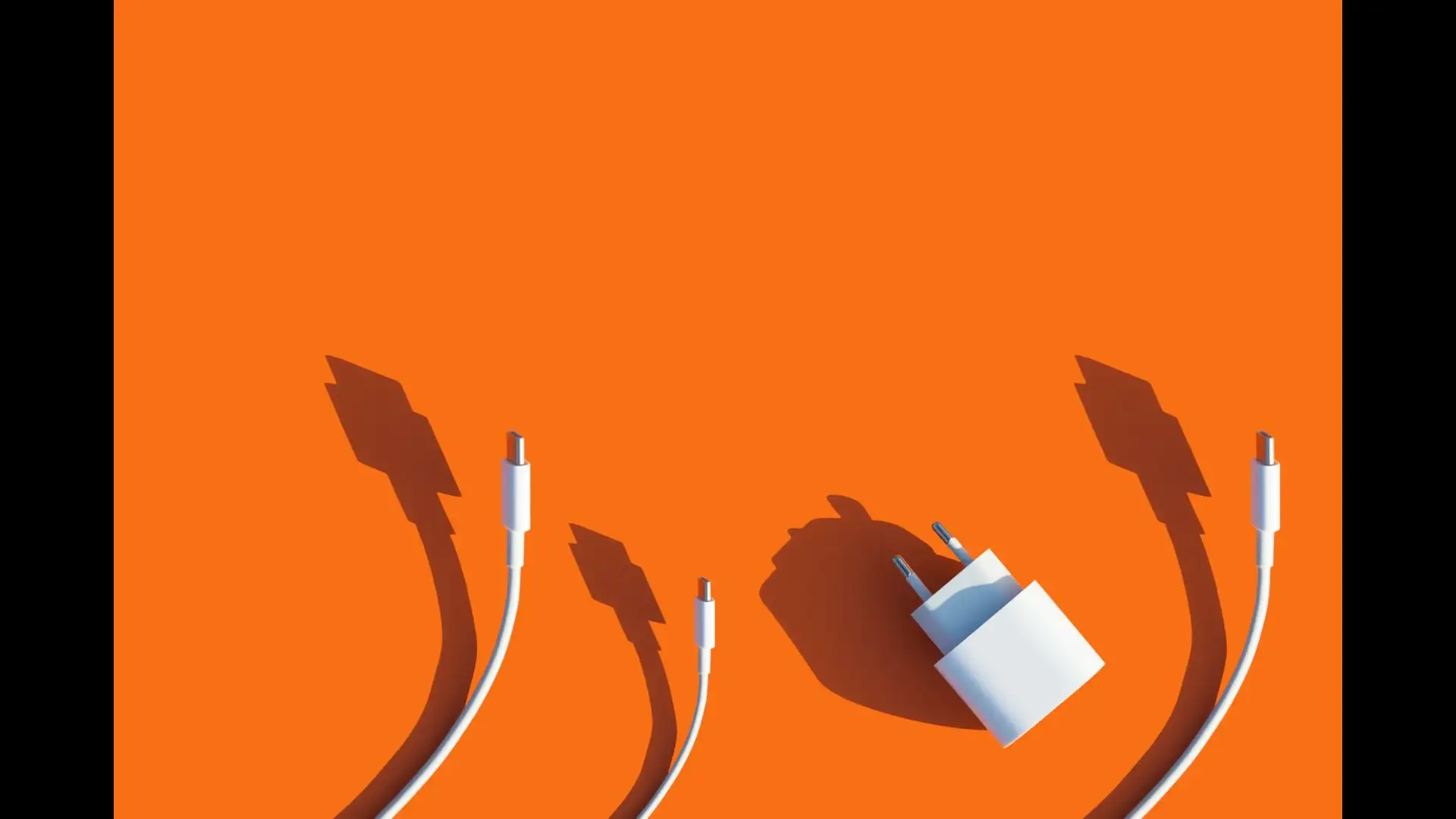
Despite having newer chargers, many people hesitate to throw the old ones away. The reasoning is familiar: it might come in handy one day.
This small household habit reveals something interesting about how we think about money, waste and future possibilities.
Even when the chances of needing it are low, keeping the cable seems like an easy way to avoid a future inconvenience.
The problem is that this logic can apply to almost everything. If every object is kept because it might become useful, cupboards and drawers eventually fill with items that rarely serve a purpose.
The possibility of future use feels immediate, while the cost of storing another cable is easy to overlook.
People who have paid for chargers, adapters or specialised cables may feel reluctant to discard them, even after upgrading their devices. Throwing something away can feel like admitting that the original purchase has lost its value.
Keeping the item creates the impression that the money has not been wasted. However, an unused charger does not recover its cost simply by remaining in a drawer.
A more useful question is whether the accessory still works with a device we actually own.
As a result, people often accumulate accessories during successive upgrades without making time to sort them.
A cable may also be difficult to identify when it is separated from its original device. Rather than investigate, we may keep it because throwing it away feels risky.
Labelling useful cables and grouping them by connector or device can make it easier to see which ones deserve to stay.
Damaged cables, frayed insulation and chargers showing signs of overheating should not be kept for future use. Avoid using faulty charging equipment.
Electronic accessories should also not automatically go into household rubbish. Depending on local arrangements, they may be accepted at an authorised electronic waste collection point or through an appropriate recycling programme.
In India, consumers can check authorised e-waste collection and recycling options rather than assuming every shop accepts old chargers.
A useful rule is simple: keep what works and has a clear purpose, and responsibly recycle what does not.
The aim is not to own as little as possible. It is to stop storing things solely because we cannot imagine what might happen if we let them go.
Despite having newer chargers, many people hesitate to throw the old ones away. The reasoning is familiar: it might come in handy one day.
This small household habit reveals something interesting about how we think about money, waste and future possibilities.
The fear of needing it later
One of the biggest reasons people keep old cables is uncertainty. A charger that appears useless today might fit an older device discovered in a cupboard next month.Even when the chances of needing it are low, keeping the cable seems like an easy way to avoid a future inconvenience.
The problem is that this logic can apply to almost everything. If every object is kept because it might become useful, cupboards and drawers eventually fill with items that rarely serve a purpose.
The possibility of future use feels immediate, while the cost of storing another cable is easy to overlook.
We remember what things cost
Electronic accessories may seem inexpensive compared with phones and laptops, but replacing them still involves spending money.People who have paid for chargers, adapters or specialised cables may feel reluctant to discard them, even after upgrading their devices. Throwing something away can feel like admitting that the original purchase has lost its value.
Keeping the item creates the impression that the money has not been wasted. However, an unused charger does not recover its cost simply by remaining in a drawer.
A more useful question is whether the accessory still works with a device we actually own.
Technology changes faster than our habits
Phone connectors, charging standards and power requirements have changed over time. Some older cables remain useful, while others are incompatible with newer devices or unsuitable for particular charging needs.As a result, people often accumulate accessories during successive upgrades without making time to sort them.
A cable may also be difficult to identify when it is separated from its original device. Rather than investigate, we may keep it because throwing it away feels risky.
Labelling useful cables and grouping them by connector or device can make it easier to see which ones deserve to stay.
What to do with unused chargers
Start by testing cables that can be safely checked and identifying which devices they support. Keep working accessories that match current devices, along with a sensible spare if needed.Damaged cables, frayed insulation and chargers showing signs of overheating should not be kept for future use. Avoid using faulty charging equipment.
Electronic accessories should also not automatically go into household rubbish. Depending on local arrangements, they may be accepted at an authorised electronic waste collection point or through an appropriate recycling programme.
In India, consumers can check authorised e-waste collection and recycling options rather than assuming every shop accepts old chargers.
A useful rule is simple: keep what works and has a clear purpose, and responsibly recycle what does not.
The aim is not to own as little as possible. It is to stop storing things solely because we cannot imagine what might happen if we let them go.
Next Story