
Why We Still Boil Milk In Indian Kitchens And Whether It Is Really Needed Today

Milk has occupied a central place in Indian kitchens for generations, and so has the habit of boiling it before use. For many households, it is the first thing done after bringing milk home. Some see it as a hygiene step, others treat it as a family practice that has simply carried on over time. But with pasteurised and ultra-heat-treated milk now widely available, the question is worth asking again — is boiling milk still necessary, or are many of us doing it out of tradition rather than need? The answer is not the same for every type of milk, and understanding the difference matters for both health and convenience.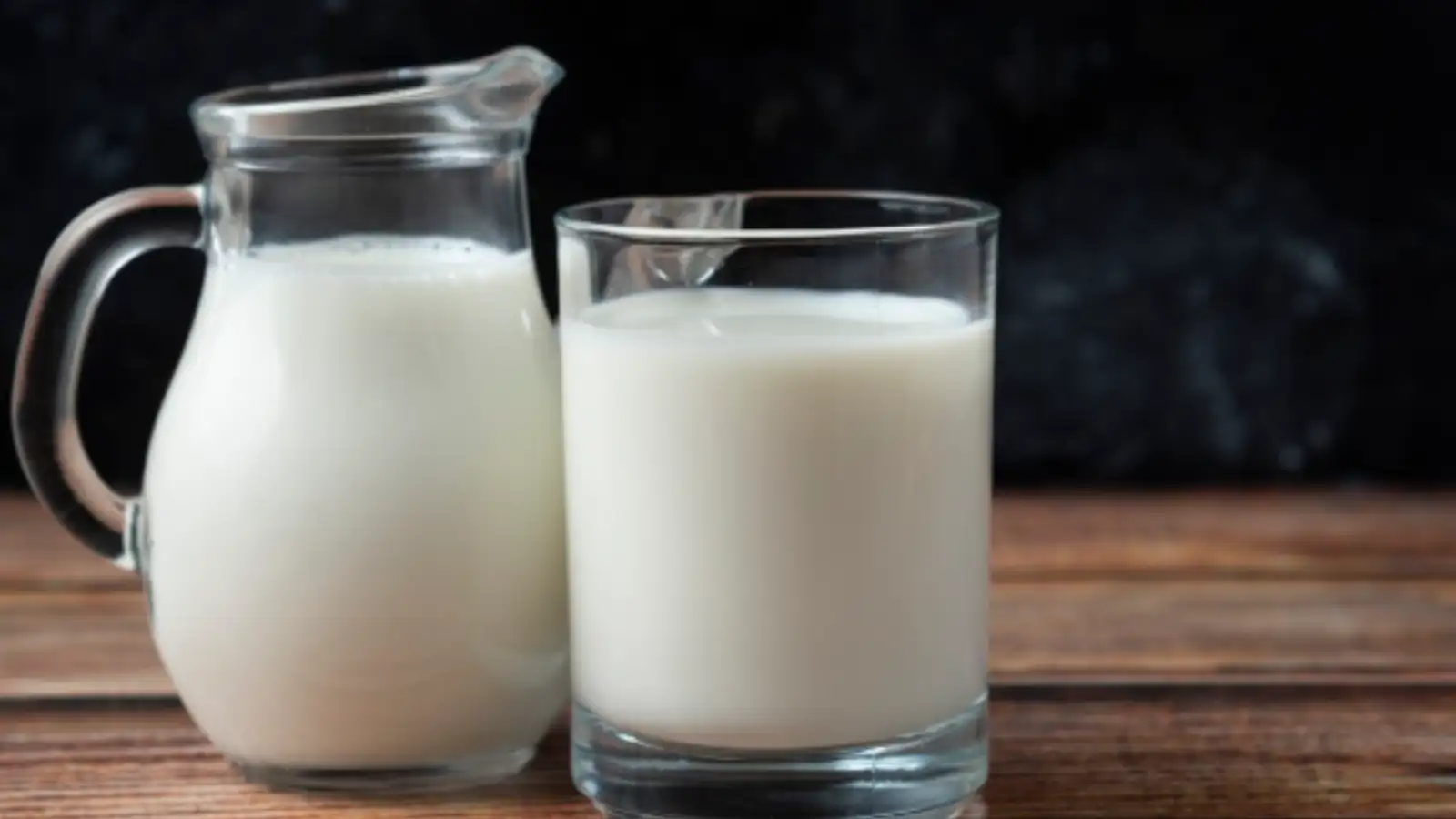
Over time, this moved beyond necessity and became a kitchen habit. In many homes, boiling milk is still seen as a sign of cleanliness and care, regardless of where the milk comes from. It also fits naturally into routines where milk is used immediately for tea, coffee, breakfast or desserts.
Pasteurised milk is different. It has already been heated during processing to destroy harmful microorganisms while keeping the milk suitable for regular use. UHT milk goes a step further, as it is treated at a much higher temperature and packed in a way that gives it a longer shelf life. In such cases, the milk is already processed for safety before it reaches the consumer.
There is no major harm in boiling pasteurised milk once before use, but repeated boiling is not ideal. Excess heating can alter the taste, change the texture slightly and reduce some heat-sensitive nutrients. It does not make the milk unsafe, but it may not add much benefit either if the milk is already processed and handled properly.
Still, boiling is not a cure for spoiled milk. If the milk smells sour, looks curdled or shows signs of deterioration, it should not be consumed.
In the end, boiling milk is both a tradition and, in some cases, a practical precaution. The real need depends not on custom alone, but on how the milk has been processed before it reaches your kitchen.
Why Boiling Milk Became A Household Rule
Before packaged milk became common, most households relied on fresh milk supplied locally. Since it was often unprocessed and its handling conditions were not always reliable, boiling became an essential safety step. Heating the milk helped destroy harmful bacteria and also gave families confidence that it was safe to drink.Over time, this moved beyond necessity and became a kitchen habit. In many homes, boiling milk is still seen as a sign of cleanliness and care, regardless of where the milk comes from. It also fits naturally into routines where milk is used immediately for tea, coffee, breakfast or desserts.
The Difference Between Raw And Pasteurised Milk
The biggest factor in deciding whether milk needs boiling is the type of milk you are buying. Raw milk, which has not gone through heat treatment, should be boiled before consumption. It may contain bacteria that can cause illness if the milk has not been handled or stored properly.Pasteurised milk is different. It has already been heated during processing to destroy harmful microorganisms while keeping the milk suitable for regular use. UHT milk goes a step further, as it is treated at a much higher temperature and packed in a way that gives it a longer shelf life. In such cases, the milk is already processed for safety before it reaches the consumer.
You may also like
- Psychology suggests adults who obsess over how they sounded in a conversation aren't vain: Social acceptance is processed by the brain more like a survival issue than many realize
- Psychology suggests adults who check tomorrow's weather multiple times a day aren't unusually interested in forecasts: Predictability can feel calming in ways most people rarely notice
- Premature Grey Hair: What mistakes cause premature greying of hair? You can avoid it by adopting these measures.
- Psychology says people who keep reopening a conversation after they've sent the last message aren't waiting for a reply: They're checking whether the social exchange feels complete
- Psychology says people who eat the same lunch almost every day aren't boring: Reducing small decisions frees mental energy for bigger concerns
Is Boiling Packaged Milk Still Necessary?
For sealed pasteurised milk, boiling is often not a strict requirement if the pack has been stored correctly and is within its expiry period. The same applies to unopened UHT milk. However, many people still boil packaged milk out of caution, habit or taste preference.There is no major harm in boiling pasteurised milk once before use, but repeated boiling is not ideal. Excess heating can alter the taste, change the texture slightly and reduce some heat-sensitive nutrients. It does not make the milk unsafe, but it may not add much benefit either if the milk is already processed and handled properly.
When Boiling Still Makes Sense
There are situations where boiling remains a sensible step even with packaged milk. If you are unsure about how the milk was transported, if refrigeration may have been inconsistent, or if the packet has been left out too long after purchase, boiling can offer extra reassurance. It is also common in homes where milk is bought in bulk and then stored for later use.Still, boiling is not a cure for spoiled milk. If the milk smells sour, looks curdled or shows signs of deterioration, it should not be consumed.
Tradition And Modern Safety Can Coexist
Boiling milk today is no longer a one-rule-fits-all necessity. For raw milk, it remains important. For pasteurised and UHT milk, it is often more about preference and habit than safety. The smarter approach is to know what kind of milk you are buying, read the label and store it correctly.In the end, boiling milk is both a tradition and, in some cases, a practical precaution. The real need depends not on custom alone, but on how the milk has been processed before it reaches your kitchen.






More from our partners


Loving Newspoint? Download the app now
