
Why Do We Take Hundreds of Travel Photos but Rarely Revisit Them?

A beautiful sunset appears, and out comes the phone. A plate of local food arrives, and another photograph follows. Then come the hotel room pictures, street scenes, airport selfies and dozens of nearly identical shots taken from slightly different angles.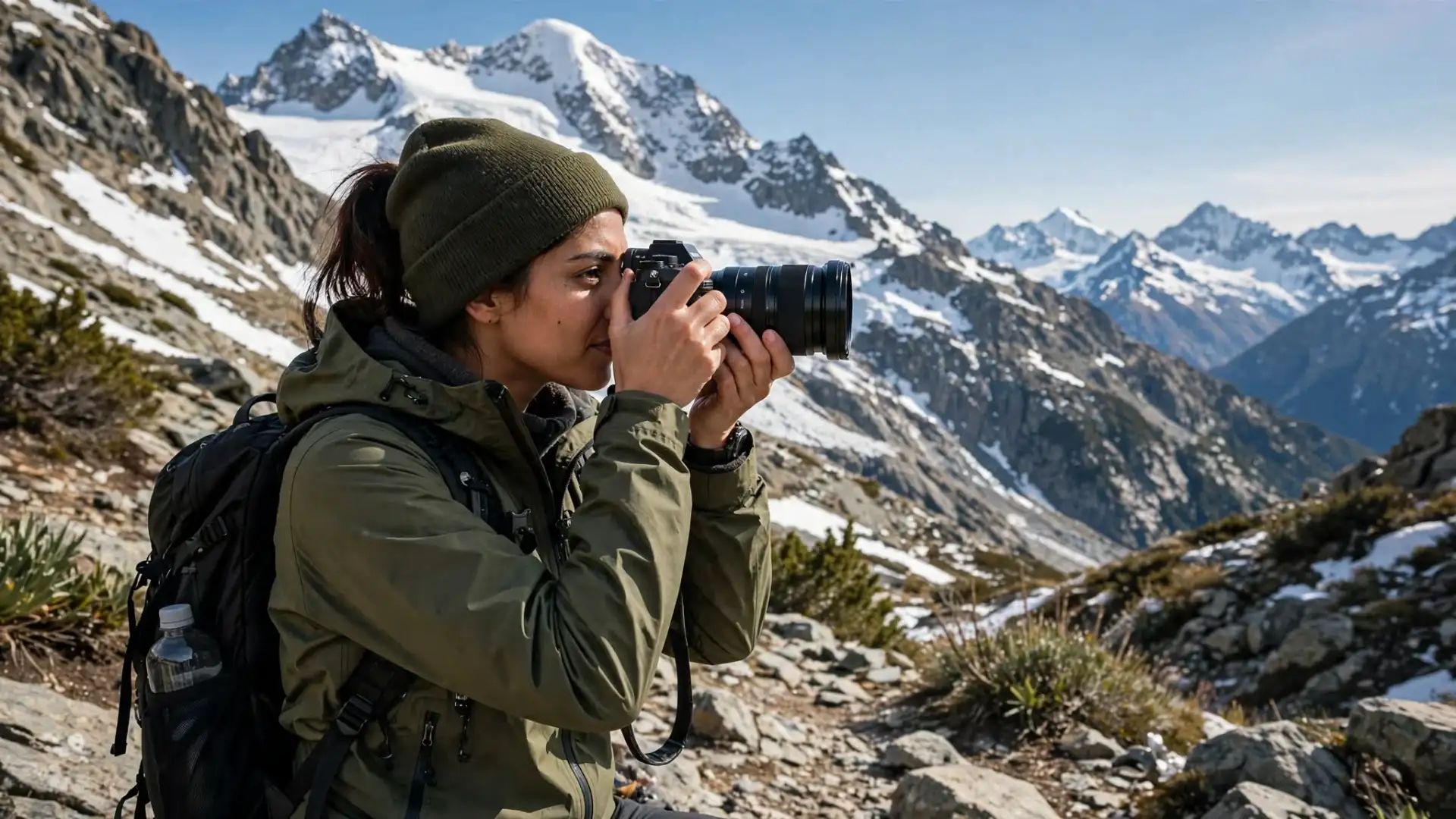
By the time the holiday ends, a single trip may have added hundreds of images to a phone gallery. Yet weeks later, many of these photographs remain untouched, buried beneath screenshots, work pictures and new everyday memories.
Why do we take so many travel photos if we rarely revisit them? The answer involves how we use technology, how we remember experiences and the difference between capturing a moment and enjoying it again.
Photography offers a sense of security. Even if our memory of the trip becomes less detailed over time, the photograph remains available as a record.
There is also the anticipation of looking back later. When we take a picture, we may imagine sharing it with friends, creating an album or revisiting it years afterwards.
However, taking a photograph and returning to it are two different habits. Capturing an experience takes seconds, while organising hundreds of images and deciding which ones matter requires time and attention.
We can take multiple pictures, delete the unsuccessful ones and immediately try again. Storage options also make it possible to keep thousands of images without needing to print them.
This convenience encourages experimentation, but it can also lead to repetition. A single landmark might produce ten photographs, even when only one is likely to be useful later.
As a result, digital photo overload has become an ordinary problem for many travellers. The issue is not necessarily that the photographs are unimportant, but that there are too many of them to revisit individually.
Posting a sunset, a restaurant visit or a scenic view can help friends and family follow a trip. The process of selecting and sharing pictures may even become part of the holiday itself.
But this can change the purpose of photography. Instead of taking a picture primarily to remember something, we may begin thinking about how it will look online or whether it captures the experience convincingly.
That does not mean every photograph is taken for social approval. People have different reasons for documenting trips. Still, when sharing becomes the main priority, the act of recording an experience can sometimes compete with simply enjoying it.
Another is that everyday life quickly takes over. Work, errands and new experiences compete for our attention, leaving little time to revisit old holidays.
Some photographs also lose their appeal once the immediate excitement has passed. A picture that felt essential at the time may not carry the same emotional significance later.
Interestingly, the photographs we remember most fondly may not always be the technically best ones. A slightly blurred picture of friends laughing or a candid moment during a difficult journey may mean more than a perfectly framed landmark.
After returning home, choose a small collection of favourite images. Organise them into an album, add brief notes about where you were or print a few photographs that genuinely matter to you.
You do not need to turn every holiday into a photography project. The aim is to make memories easier to revisit rather than allowing them to disappear into a crowded gallery.
Ultimately, photographs are useful reminders, but they cannot replace the experience they represent. Sometimes, the best travel memory is the one you enjoyed so completely that you did not feel the need to take a picture.
By the time the holiday ends, a single trip may have added hundreds of images to a phone gallery. Yet weeks later, many of these photographs remain untouched, buried beneath screenshots, work pictures and new everyday memories.
Why do we take so many travel photos if we rarely revisit them? The answer involves how we use technology, how we remember experiences and the difference between capturing a moment and enjoying it again.
Taking a Photo Makes a Moment Feel Preserved
Travel often involves experiences we want to remember. A remarkable view, an unusual building or a meal in a new city can feel worth recording because we do not know when we will experience it again.Photography offers a sense of security. Even if our memory of the trip becomes less detailed over time, the photograph remains available as a record.
There is also the anticipation of looking back later. When we take a picture, we may imagine sharing it with friends, creating an album or revisiting it years afterwards.
However, taking a photograph and returning to it are two different habits. Capturing an experience takes seconds, while organising hundreds of images and deciding which ones matter requires time and attention.
Smartphones Have Made Photographing Everything Effortless
Digital cameras once involved limited film, development costs and more deliberate decisions about what deserved a photograph. Smartphones have removed much of that friction.We can take multiple pictures, delete the unsuccessful ones and immediately try again. Storage options also make it possible to keep thousands of images without needing to print them.
This convenience encourages experimentation, but it can also lead to repetition. A single landmark might produce ten photographs, even when only one is likely to be useful later.
As a result, digital photo overload has become an ordinary problem for many travellers. The issue is not necessarily that the photographs are unimportant, but that there are too many of them to revisit individually.
Sharing Can Become Part of the Holiday
Travel photographs are not only personal records. They can also be a way to communicate experiences to other people.Posting a sunset, a restaurant visit or a scenic view can help friends and family follow a trip. The process of selecting and sharing pictures may even become part of the holiday itself.
But this can change the purpose of photography. Instead of taking a picture primarily to remember something, we may begin thinking about how it will look online or whether it captures the experience convincingly.
You may also like
- ICMR Clarifies Best Vaccine for India and Stock Availability
- Bitter Neem, Sweet Health: Why Chewing Morning Neem Leaves Is a Daily Detox Miracle
- Scientific Storage Timelines, Health Hazards, and How Long It Stays Safe to Drink
- Stomach Bloating and Gas Relief: 5 Simple Home Remedies That May Help Improve Digestion Naturally
- 'It's a misconception that celeb kids are soft. We train them to work harder'
That does not mean every photograph is taken for social approval. People have different reasons for documenting trips. Still, when sharing becomes the main priority, the act of recording an experience can sometimes compete with simply enjoying it.
Why We Rarely Open Old Photo Galleries
One reason is sheer volume. When a gallery contains thousands of images, finding a particular memory can feel like searching through a crowded archive.Another is that everyday life quickly takes over. Work, errands and new experiences compete for our attention, leaving little time to revisit old holidays.
Some photographs also lose their appeal once the immediate excitement has passed. A picture that felt essential at the time may not carry the same emotional significance later.
Interestingly, the photographs we remember most fondly may not always be the technically best ones. A slightly blurred picture of friends laughing or a candid moment during a difficult journey may mean more than a perfectly framed landmark.
How to Make Travel Photos More Meaningful
Try taking fewer, more deliberate photographs rather than documenting every view. Leave some moments unrecorded and pay attention to the experience itself.After returning home, choose a small collection of favourite images. Organise them into an album, add brief notes about where you were or print a few photographs that genuinely matter to you.
You do not need to turn every holiday into a photography project. The aim is to make memories easier to revisit rather than allowing them to disappear into a crowded gallery.
Ultimately, photographs are useful reminders, but they cannot replace the experience they represent. Sometimes, the best travel memory is the one you enjoyed so completely that you did not feel the need to take a picture.






Loving Newspoint? Download the app now
