
Why You Should Change Your Toothbrush Every 3–4 Months

A toothbrush is one of the most essential tools for maintaining oral health, but many people overlook the importance of replacing it regularly. Using an old or worn-out toothbrush reduces cleaning effectiveness, increases bacteria growth, and can even harm your gums. Understanding why and when to replace your toothbrush is key to keeping your teeth and gums healthy.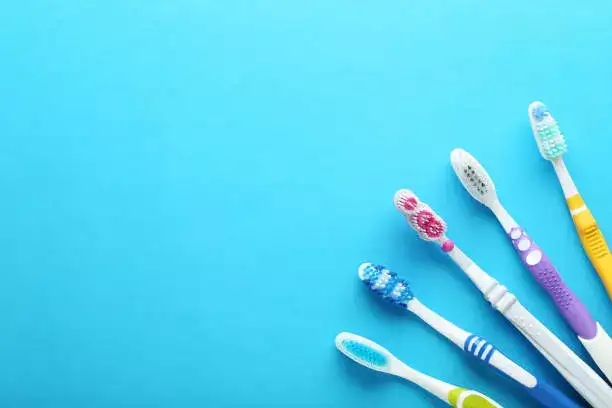
Why You Should Replace Your Toothbrush
Worn Bristles Are Less Effective
Over time, toothbrush bristles fray and lose their stiffness. Worn bristles cannot reach between teeth or clean along the gumline effectively, leading to plaque buildup and increased risk of cavities.
Prevent Bacteria Buildup
Toothbrushes accumulate bacteria, food particles, and saliva over time. Regularly replacing your toothbrush reduces bacterial growth, which can cause bad breath, gum infections, and even systemic health issues.
Protect Your Gums
Frayed or hardened bristles can irritate or damage delicate gum tissue, leading to inflammation or bleeding. A fresh toothbrush ensures gentle yet effective cleaning.
Support Effective Oral Hygiene
A new toothbrush maximizes plaque removal, helps maintain healthy enamel, and enhances the benefits of fluoride toothpaste. Consistent replacement contributes to overall oral health.
When to Replace Your Toothbrush
Tips for Choosing and Caring for Your Toothbrush
Replacing your toothbrush regularly is a small but vital habit for maintaining strong teeth, healthy gums, and fresh breath. A new toothbrush ensures effective cleaning, prevents bacterial buildup, and supports your overall oral hygiene routine. Make it a routine part of your dental care to keep your smile healthy and bright.
Why You Should Replace Your Toothbrush
Worn Bristles Are Less Effective
Over time, toothbrush bristles fray and lose their stiffness. Worn bristles cannot reach between teeth or clean along the gumline effectively, leading to plaque buildup and increased risk of cavities.
Prevent Bacteria Buildup
Toothbrushes accumulate bacteria, food particles, and saliva over time. Regularly replacing your toothbrush reduces bacterial growth, which can cause bad breath, gum infections, and even systemic health issues.
You may also like
- Word of the day: Vituperate
- In 1906, San Francisco lost more than 28,000 buildings to earthquake and fire: How the disaster reshaped the city's architecture and changed how America builds for earthquakes
- Why Your Beard Itches So Much and How You Can Finally Stop It
- 7 Things That Make Your Face Look Puffy Every Morning When You Rise
- The God Who Sleeps—and the Age That Cannot
Protect Your Gums
Frayed or hardened bristles can irritate or damage delicate gum tissue, leading to inflammation or bleeding. A fresh toothbrush ensures gentle yet effective cleaning.
Support Effective Oral Hygiene
A new toothbrush maximizes plaque removal, helps maintain healthy enamel, and enhances the benefits of fluoride toothpaste. Consistent replacement contributes to overall oral health.
When to Replace Your Toothbrush
- Every 3–4 months is the general recommendation.
- Replace sooner if bristles are frayed, bent, or worn out.
- After being sick, it’s a good idea to replace your toothbrush to avoid reinfection.
Tips for Choosing and Caring for Your Toothbrush
- Use a soft-bristled brush to prevent gum damage.
- Choose a brush with a comfortable handle for proper control.
- Rinse thoroughly after each use and store upright to air dry.
- Consider electric toothbrush heads that can be replaced regularly.
Replacing your toothbrush regularly is a small but vital habit for maintaining strong teeth, healthy gums, and fresh breath. A new toothbrush ensures effective cleaning, prevents bacterial buildup, and supports your overall oral hygiene routine. Make it a routine part of your dental care to keep your smile healthy and bright.






Loving Newspoint? Download the app now
