
Why Young People Are Becoming Interested in Traditional Home Skills: A Modern Revival

A world dominated by instant deliveries, digital convenience, and automated services, a surprising social shift is taking place inside modern households. Young adults who grew up surrounded by high-speed internet and screens are actively turning back the clock. Kitchen counters are filled with bubbling sourdough starters, living room sofas are draped in half-finished crocheted blankets, and balconies are sprouting homegrown herbs and tomatoes. Understanding why young people are becoming interested in traditional home skills reveals how practical domestic crafts offer a grounding sense of purpose, financial wisdom, and personal fulfillment that modern digital living often fails to provide.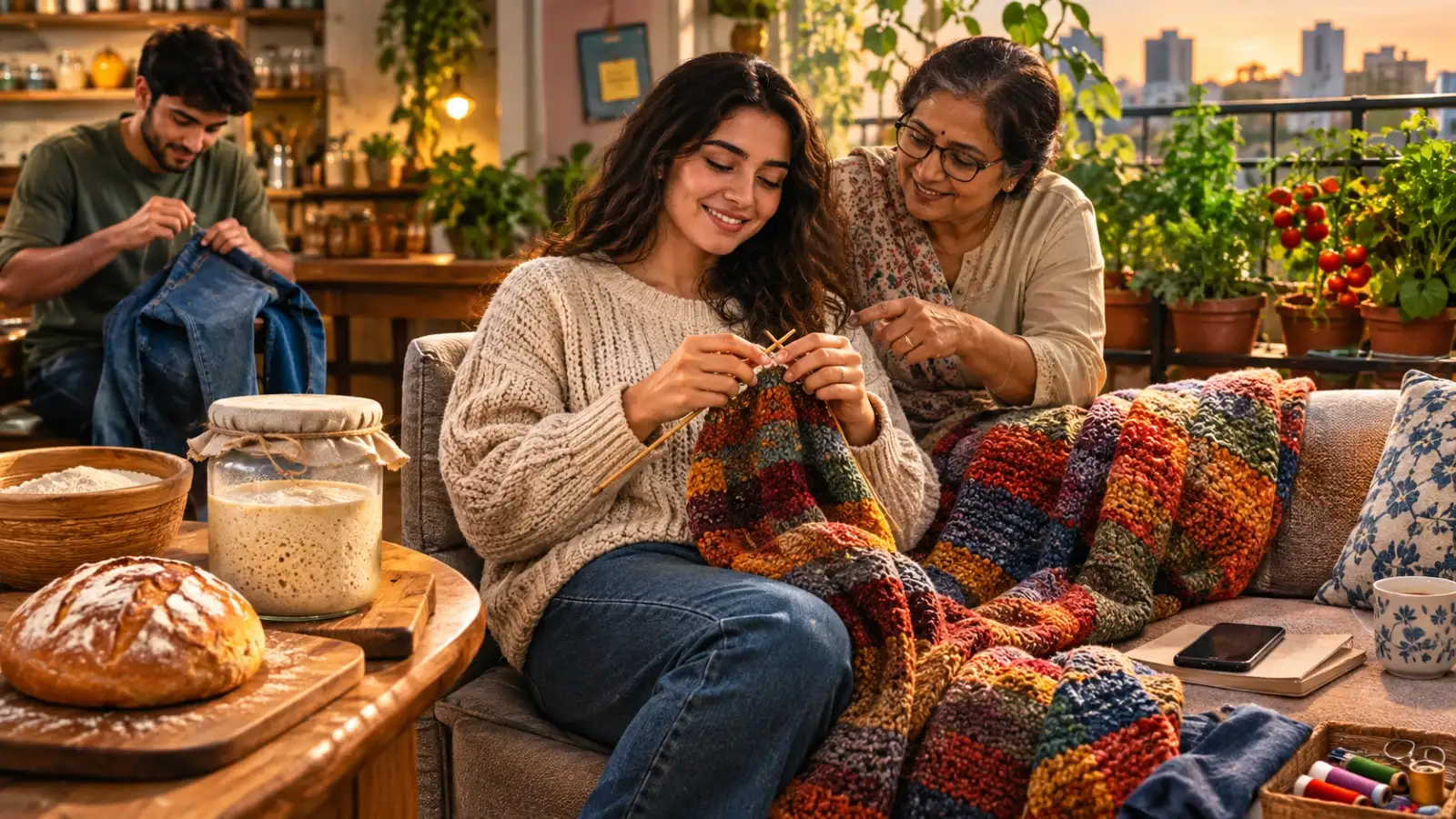
A search for self-reliance in uncertain economic times
Rising living costs, inflation, and fragile global supply chains have forced many young individuals to re-examine their personal spending habits. Relying entirely on mass-produced goods and constant store purchases can quickly strain a monthly budget. Learning basic domestic crafts like mending damaged trousers, baking fresh bread, or preserving seasonal vegetables provides immediate practical security. Being able to fix a broken seam or cook a hearty meal from raw ingredients gives people a sense of independence and agency. This practical self-reliance transforms domestic work from a chore into an empowering life skill.Seeking slow living and mental relief from digital burnout
Spending eight hours a day working in front of a computer screen followed by hours of smartphone scrolling leaves many people feeling mentally exhausted and overstimulated. Engaging in physical, hands-on activities serves as a natural therapeutic antidote to modern digital burnout. The slow, rhythmic nature of knitting wool, kneading dough, or tending to garden soil forces the mind to step away from constant notifications and focus entirely on the present moment. These tactile pastimes offer quiet mental space, reducing anxiety and bringing a calm, meditative pace back into busy daily routines.Rejecting fast fashion and throwaway consumer culture
Younger generations are increasingly mindful of the environmental cost tied to modern fast fashion and throwaway consumer habits. Mass-produced synthetic clothing and plastic household items generate enormous environmental waste every single year. By embracing traditional crafts like darning socks, altering thrifted clothes, and crafting handmade goods, young people actively push back against disposable retail culture. Spending forty hours making a sweater or repairing a favoured jacket builds a deep respect for raw materials and human labour, fostering a sustainable mindset that lasts a lifetime.Finding creative joy and proud tangible achievement
Unlike digital tasks where work exists only as invisible files on a server, hands-on home skills deliver clear, tangible results you can physically touch, use, or eat. Pulling a golden loaf of bread out of the oven or wearing a scarf you knitted yourself provides a deep feeling of personal pride and creative accomplishment. Traditional domestic arts offer an open canvas for individual self-expression, allowing people to customize their living spaces and personal style with unique, handcrafted items rather than generic factory products.Connecting across generations through shared knowledge
The revival of these classic skills has also built a wonderful bridge between different age groups. Young adults are turning to parents, grandparents, and community mentors to learn traditional family recipes, gardening tips, and needlework techniques. Social media platforms have further accelerated this exchange, creating supportive online groups where creators share step-by-step tutorials and celebrate each other's progress. This beautiful blend of heritage knowledge and modern community spirit ensures that timeless domestic wisdom remains vibrant, practical, and cherished for future generations.Next Story