
Why Young People Are Choosing Smaller, Slower Lives: The End of Hustle Culture

For decades, young adults were handed a clear cultural script for personal success. It demanded relentless hustle, rapid career progression, constant networking, and moving to massive urban centers to buy larger homes filled with material possessions. Climbing the social ladder meant working sixty hours a week, maintaining a packed schedule, and broadcasting every achievement online. However, a major cultural shift is reshaping how younger generations view their futures. Across the world, individuals are deliberately stepping off the corporate treadmill to embrace simpler routines, modest living spaces, and manageable workloads. Examining why young people are choosing smaller, slower lives reveals a deep desire for mental peace, genuine personal freedom, and everyday emotional balance over superficial status symbols.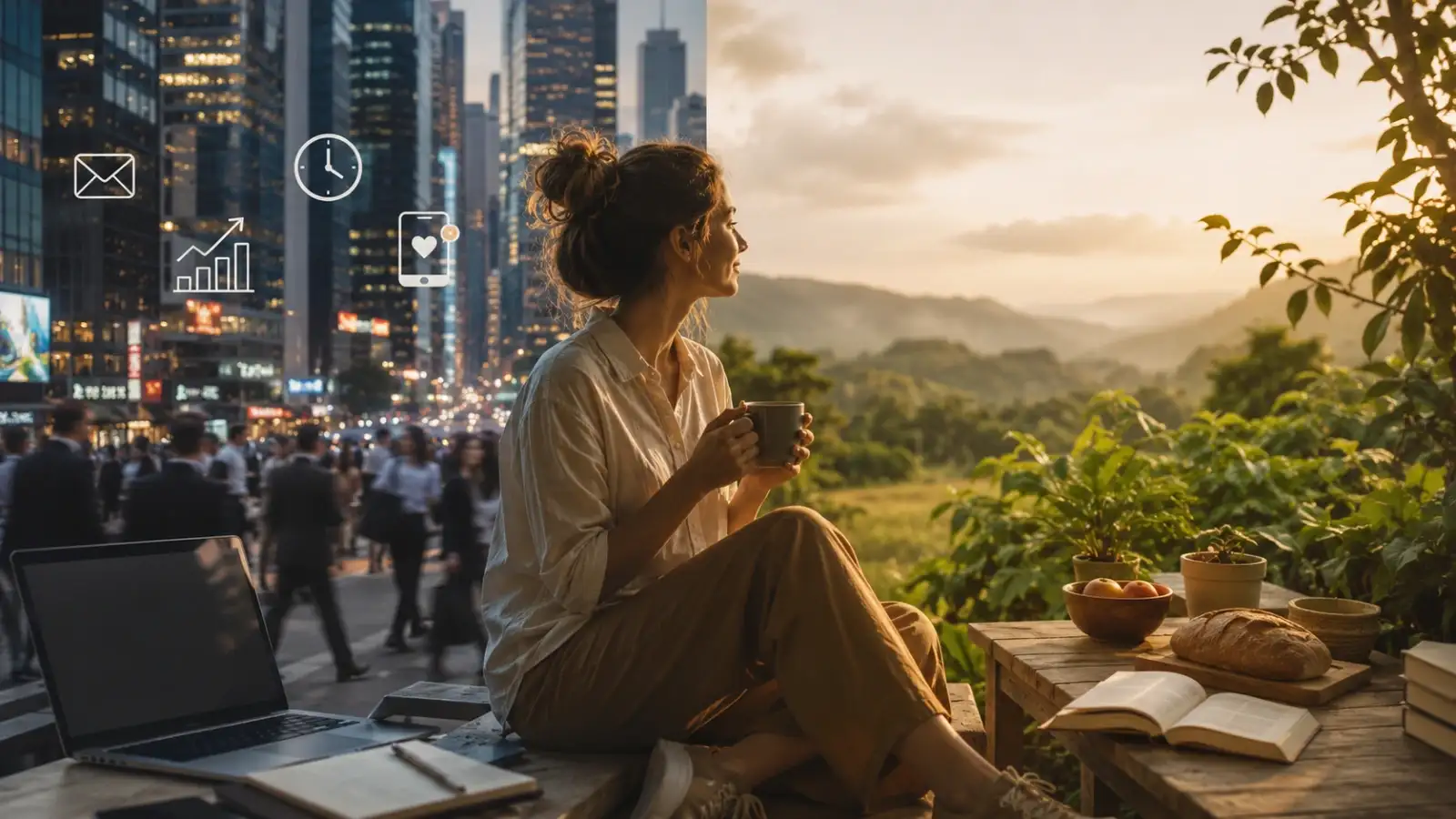
Breaking free from chronic burnout and toxic overwork
The primary driver behind this cultural transition is widespread physical and emotional exhaustion. Having witnessed older generations suffer from chronic burnout, health crises, and workplace stress, modern youth are re-evaluating the true cost of non-stop ambition. They are realizing that high salaries and impressive job titles mean very little if they come at the expense of mental well-being and personal happiness. By opting for modest career paths, flexible working arrangements, or four-day workweeks, young professionals are setting firm boundaries around their time. They view rest not as a guilty reward for overwork, but as a basic, essential human right.Rejecting heavy consumerism for true financial freedom
Living a smaller life is also a practical response to shifting economic conditions and rising living expenses. Heavy mortgages, high city rents, and the endless pressure to buy trendy consumer goods create immense financial anxiety. Instead of locking themselves into decades of debt to maintain a high-consumption lifestyle, many young adults are making intentional sacrifices. They are downsizing their living spaces, moving to quieter towns, cooking meals at home, and prioritizing thrifted items. Lowering monthly expenses reduces financial pressure, giving people the freedom to take lower-stress jobs or pursue creative passions without worrying about keeping up with expensive social expectations.Swapping screen fatigue for hands-on sensory hobbies
Living at scroll speed in an overstimulated digital world has left millions feeling disconnected from reality. The rise of the soft life movement encourages people to step away from constant notifications, algorithmic comparison, and online validation. Young people are spending their free time engaging in slow, physical activities like home gardening, baking bread, knitting wool, and reading printed books. These simple domestic crafts offer a grounding sensory experience that calms the nervous system. Moving away from online performance allows individuals to rediscover the quiet joy of present-moment living.Building meaningful local relationships and community ties
When life revolves entirely around long working hours and commuting, maintaining real friendships becomes extremely difficult. Choosing a slower lifestyle allows young adults to rebuild meaningful human connections. Instead of broad digital networks, they are investing time in local neighborhood spaces, farmers markets, community gardens, and casual home gatherings. Sharing meals, chatting with neighbors, and spending uninterrupted quality time with loved ones fosters a sense of belonging that digital platforms can never provide.Redefining what it truly means to thrive
The choice to live smaller and slower is far from a sign of laziness or a lack of ambition. It is a deliberate, courageous choice to define success on your own terms rather than relying on corporate standards or social media approval. Success is no longer measured by how busy your calendar looks or how much money you accumulate, but by the depth of your peace, health, and everyday happiness. As this intentional mindset continues to grow, young people are proving that living a quieter, simpler life is often the richest choice of all.Next Story