
<b>Why Your Brain Automatically Reaches for Your Phone</b>

Have you ever unlocked your phone without consciously deciding to do it? Perhaps you are waiting for a lift, watching television or sitting at a traffic light, and suddenly your hand has already reached into your pocket. There may not even be a new message waiting. This behaviour can feel almost automatic because, over time, smartphone checking can become a genuine habit. Researchers have studied this pattern for years, finding that quick access to information and repeated rewards can reinforce checking behaviour. What feels like a spontaneous decision may actually be a learned response to boredom, uncertainty, notifications and familiar situations.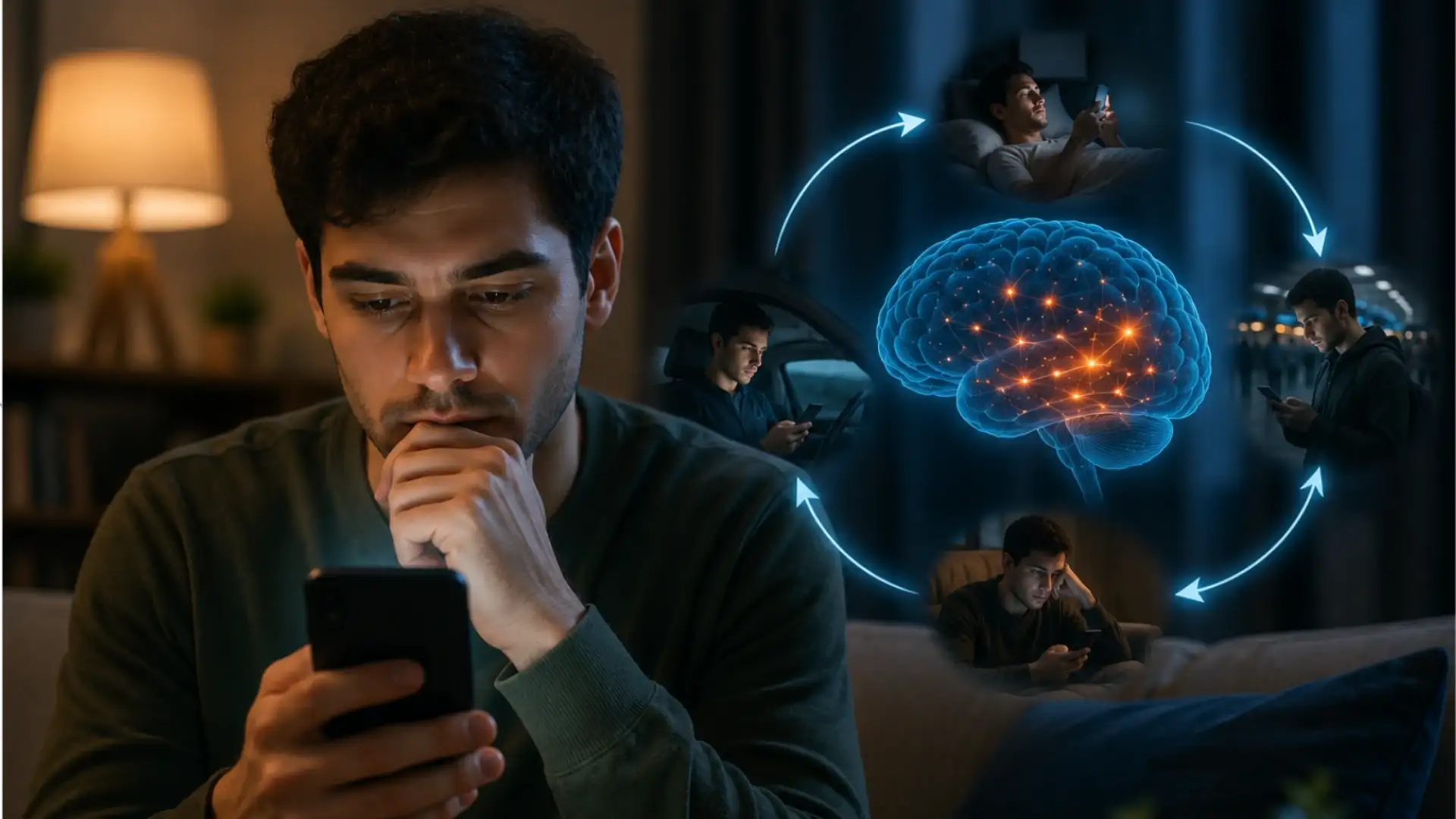
That helps explain why people often check their phones without having a specific purpose. The reward does not have to be dramatic. A new message, interesting headline, social media update or email can provide just enough information to make checking worthwhile.
The behaviour becomes easier with repetition. Eventually, the sequence can happen with very little conscious planning. Research on smartphone behaviour has specifically linked habitual use with unintended actions triggered by internal or external cues.
This is why telling yourself to "stop checking" can be surprisingly difficult. The behaviour may be happening before you have consciously evaluated whether you actually need your phone.
That unpredictability can encourage repeated checking. Modern smartphones also make the process almost frictionless. A phone is already in your hand, the screen lights up and information appears within seconds.
The result is a device that can gradually become associated with moments of boredom, anticipation and even discomfort.
The bigger lesson is that automatic phone checking is not simply a matter of poor discipline. It is a learned behaviour. Once you recognise the cue, you can start deciding whether you actually want to follow it.
The Phone-Checking Habit Is Real
Research published in Personal and Ubiquitous Computing identified what researchers called a "checking habit": brief, repetitive inspections of information on a smartphone. The studies found that these behaviours could emerge and become reinforced when information was available almost instantly.That helps explain why people often check their phones without having a specific purpose. The reward does not have to be dramatic. A new message, interesting headline, social media update or email can provide just enough information to make checking worthwhile.
Your Brain Learns the Situation
Habits often begin with a cue. For phone checking, the cue might be waiting in a queue, hearing a notification, feeling bored or simply noticing the phone on a table.The behaviour becomes easier with repetition. Eventually, the sequence can happen with very little conscious planning. Research on smartphone behaviour has specifically linked habitual use with unintended actions triggered by internal or external cues.
You may also like
- Has the train chart been released? You can still book a confirmed ticket; here's how.
- Train Cancelled: Important update for rail passengers! Several trains to remain cancelled from today until August 16.
- Breaking an FD or taking a loan: Which is better? How to arrange funds when needed
- How to remove greasy fingerprints from painted walls: 5 simple cleaning methods
- Which solar panel system should you choose? On-Grid, Off-Grid, or Hybrid—understand the differences.
This is why telling yourself to "stop checking" can be surprisingly difficult. The behaviour may be happening before you have consciously evaluated whether you actually need your phone.
Notifications Make the Loop Stronger
Notifications are particularly powerful because they create uncertainty. You do not know whether the next buzz will bring something important, entertaining or completely irrelevant.That unpredictability can encourage repeated checking. Modern smartphones also make the process almost frictionless. A phone is already in your hand, the screen lights up and information appears within seconds.
The result is a device that can gradually become associated with moments of boredom, anticipation and even discomfort.
What You Can Do About It
The solution does not necessarily involve abandoning your smartphone. A useful first step is noticing the moments when you reach for it without a clear reason. Turning off unnecessary notifications, moving distracting apps away from the home screen and keeping the phone out of immediate reach can introduce a small pause between impulse and action.The bigger lesson is that automatic phone checking is not simply a matter of poor discipline. It is a learned behaviour. Once you recognise the cue, you can start deciding whether you actually want to follow it.






Loving Newspoint? Download the app now
