
Understanding Cold Extremities: Why Your Hands Feel Colder Than the Rest of Your Body

We have all experienced that sudden moment when our fingers feel like small ice cubes, even while our chest and torso stay perfectly warm. You might be sitting in a slightly chilled room, typing away at a computer, or taking a brisk evening walk, only to discover that your hands are noticeably colder than the rest of your skin.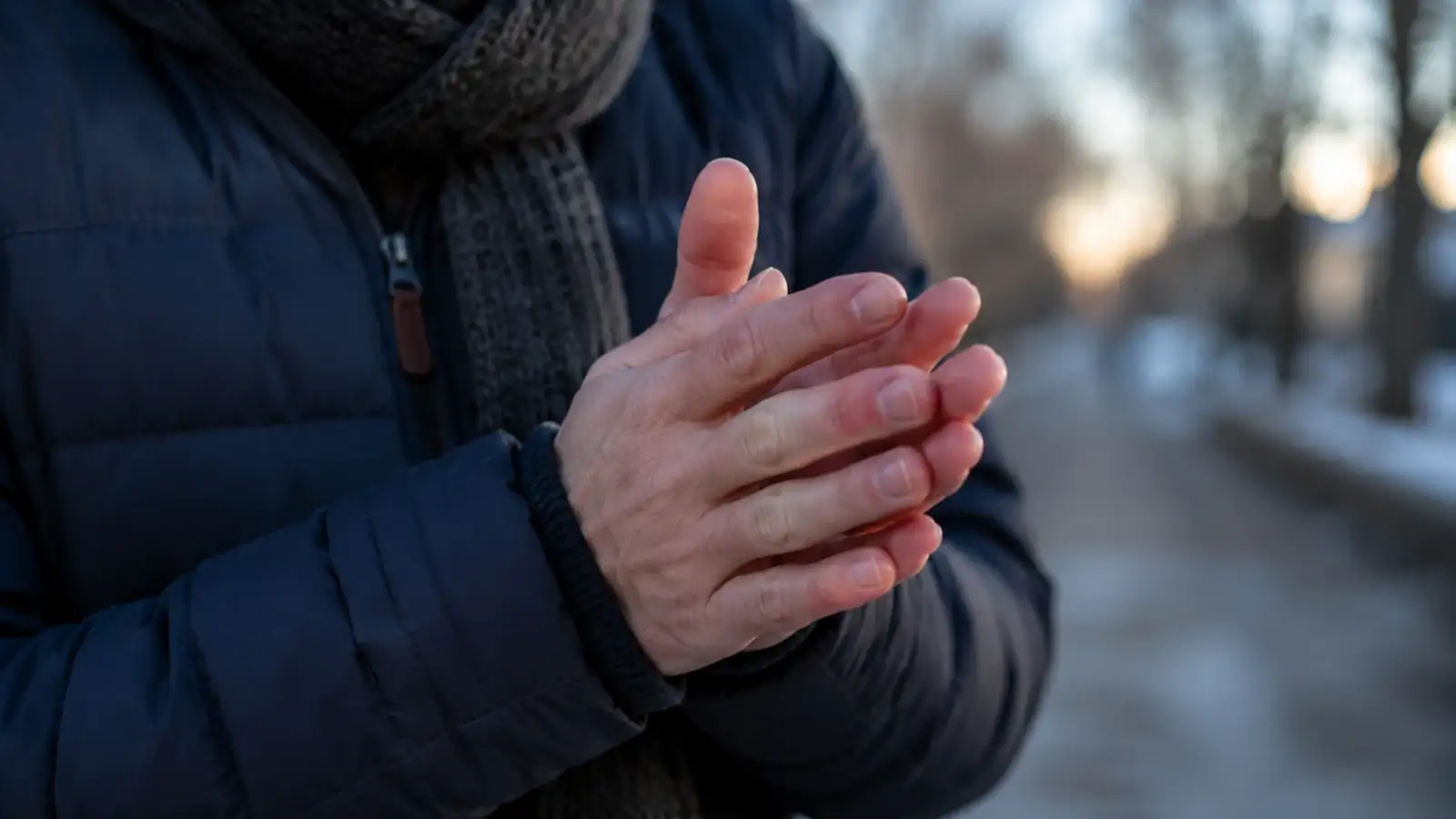
While it is easy to assume that cold hands simply mean you need a thicker pair of gloves, the reality is far more interesting. Your hands serve as dynamic thermal control pads for your entire body. Understanding why your hands feel colder than the rest of your body reveals how human evolution, blood vessel contraction, high surface area, and emotional stress interact to protect your vital organs.
To achieve this thermal protection, your nervous system triggers a biological response called vasoconstriction. The tiny smooth muscle walls inside blood vessels in your hands and feet contract tightly, narrowing the pathway for warm blood. By restricting blood flow to your extremities, your body conserves warm blood near your vital organs, preventing heat loss. Because your hands receive significantly less blood flow during cold exposure, their temperature drops rapidly, leaving your fingers feeling cold to the touch.
Fat and muscle act as natural thermal insulation, trapping body heat inside. Because your fingers lack thick fat layers, heat easily escapes from the skin surface into the surrounding air. Furthermore, because your hands are exposed to ambient room air currents far more often than covered body parts, they radiate heat continuously, making them feel cool even in mild weather.
Because your brain receives detailed sensory feedback from your hands to help you interact safely with your physical environment, you notice a slight drop in hand temperature long before you register a temperature change on your shoulders or stomach. This heightened nerve sensitivity makes the sensation of chilly fingers feel particularly intense.
Adrenaline signals the blood vessels in your hands and feet to contract instantly, redirecting blood flow toward large skeletal muscles like your thighs and biceps so you can react quickly to danger. This stress-induced shift in blood distribution leaves your hands feeling suddenly cold and clammy, even inside a warm room.
While it is easy to assume that cold hands simply mean you need a thicker pair of gloves, the reality is far more interesting. Your hands serve as dynamic thermal control pads for your entire body. Understanding why your hands feel colder than the rest of your body reveals how human evolution, blood vessel contraction, high surface area, and emotional stress interact to protect your vital organs.
Vasoconstriction and vital organ protection priorities
The human body operates like an intelligent survival machine with very strict energy priorities. Your core temperature, which protects essential inner organs like your heart, liver, lungs, and kidneys, must stay at a steady level to keep you healthy and functioning. When the ambient temperature drops even slightly, your brain prioritizes keeping your core warm over maintaining heat in your extremities.To achieve this thermal protection, your nervous system triggers a biological response called vasoconstriction. The tiny smooth muscle walls inside blood vessels in your hands and feet contract tightly, narrowing the pathway for warm blood. By restricting blood flow to your extremities, your body conserves warm blood near your vital organs, preventing heat loss. Because your hands receive significantly less blood flow during cold exposure, their temperature drops rapidly, leaving your fingers feeling cold to the touch.
Surface area to mass ratio in fingers and extremities
Another physical reason your hands cool down much faster than your chest or legs relates to basic surface area geometry. Your hands and fingers have a very large surface area relative to their small tissue mass. Unlike your thighs or upper arms, which contain thick muscle layers and protective fat stores, your hands consist mostly of small bones, tendons, and thin layers of skin.You may also like
- A Northern California couple walking their dog spotted a rusty metal can in their yard, unearthing 1,427 mint-condition gold coins from the Gold Rush era
- Neck Cracking Habit: Is It Harmful? Know When the Clicking Sound Could Be a Warning Sign
- Jamdani vs Chanderi vs Kota Doria: What's the difference between these 3 iconic Indian weaves?
- Nutrient-Rich Foods for a Balanced Diet: 6 Everyday Options Packed With Vitamins, Minerals and Fibre
- When to Worry About Baby Movements: Red Flags to Watch Out For
Fat and muscle act as natural thermal insulation, trapping body heat inside. Because your fingers lack thick fat layers, heat easily escapes from the skin surface into the surrounding air. Furthermore, because your hands are exposed to ambient room air currents far more often than covered body parts, they radiate heat continuously, making them feel cool even in mild weather.
Nerve density and heightened temperature perception
It is also worth noting that your hands do not just get colder physically; they are also far better at registering temperature shifts than almost any other part of your body. Your fingertips contain an astonishingly high concentration of specialized nerve endings, including thermoreceptors that detect temperature changes.Because your brain receives detailed sensory feedback from your hands to help you interact safely with your physical environment, you notice a slight drop in hand temperature long before you register a temperature change on your shoulders or stomach. This heightened nerve sensitivity makes the sensation of chilly fingers feel particularly intense.
Emotional stress and adrenaline induced blood shifts
Physical cold is not the only trigger for icy fingers; your psychological state plays a surprisingly massive role. When you experience stress, anxiety, or sudden fear, your body activates its evolutionary fight-or-flight response, releasing adrenaline into your bloodstream.Adrenaline signals the blood vessels in your hands and feet to contract instantly, redirecting blood flow toward large skeletal muscles like your thighs and biceps so you can react quickly to danger. This stress-induced shift in blood distribution leaves your hands feeling suddenly cold and clammy, even inside a warm room.
Listening to your body thermal signals
Understanding why your hands feel colder than the rest of your body highlights the brilliant ways human biology protects internal health. Chilly fingers are usually just a normal, healthy sign that your body is managing its heat wisely.





Loving Newspoint? Download the app now
