
The Secret Environmental Cost of Your Morning Tea Bag That No One Talks About

You probably grab a tea bag every morning without a second thought. It's convenient, quick, and feels like a small eco-friendly choice compared to loose leaves. But here's the surprising truth that most tea drinkers don't know: many tea bags actually contain plastic.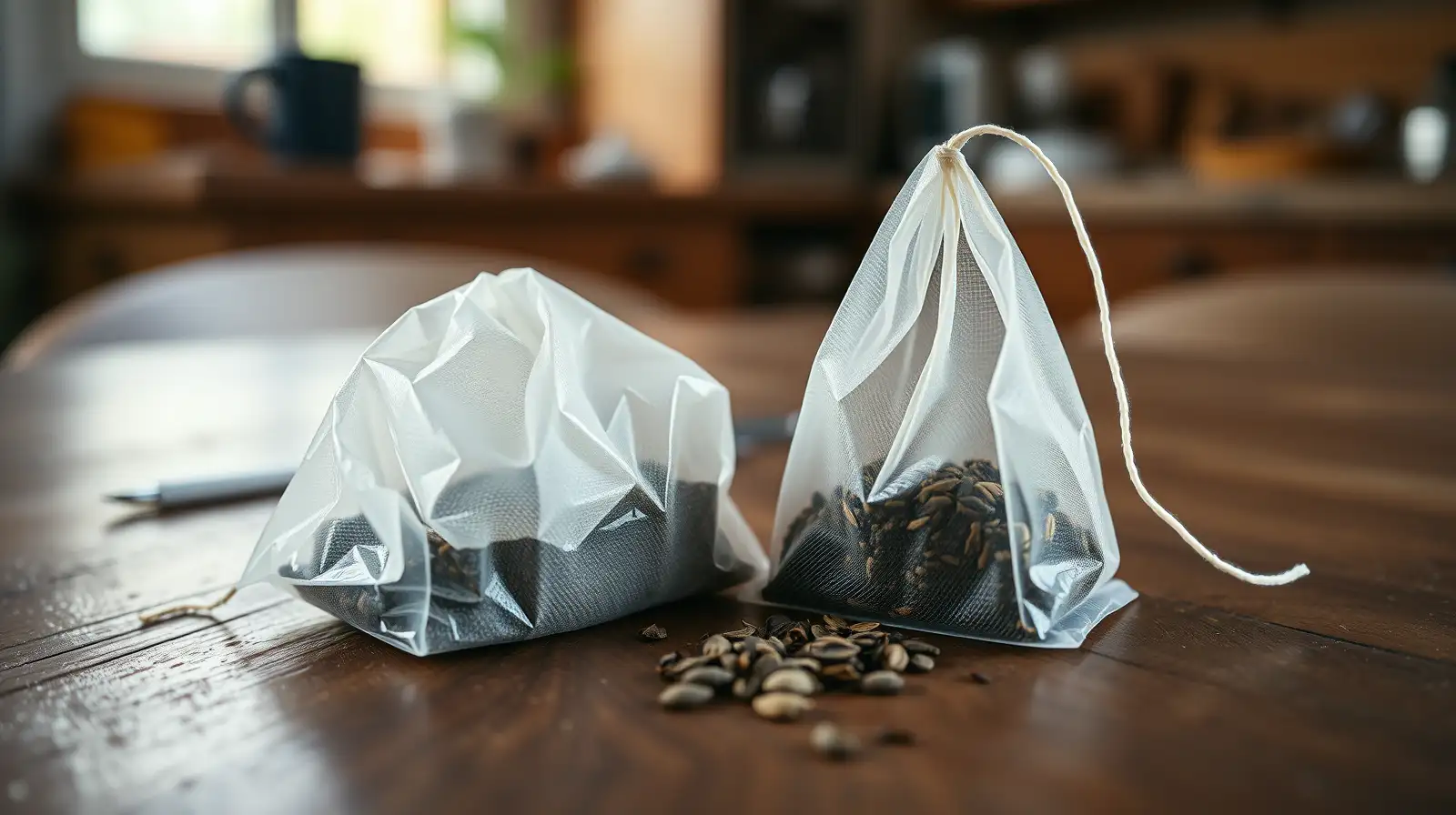
Why Tea Bags Have Plastic in Them
Most commercial tea bags use polypropylene plastic to seal them shut. This tiny amount of plastic keeps the bag from falling apart when hot water hits it. The problem is that this plastic is neither recyclable nor biodegradable. When you toss your used tea bag into compost or food waste, you're actually contaminating it.
Brits alone consume over 60 billion cups of tea each year, with 96 percent of drinkers choosing tea bags over loose leaves. Multiply that by global consumption, and you're looking at billions of plastic-laden tea bags ending up in landfills or wastewater systems annually.
What Happens When You Brew Plastic Tea
When you pour hot water over these tea bags, microplastics can leach into your cup. Studies have shown that a single plastic-containing tea bag can release billions of microplastic particles into your beverage. These particles eventually make their way through your digestive system and into the environment when you flush or compost.
Simple Swaps That Make a Real Difference
The good news is that switching is easier than you think. Look for tea bags labeled as plastic-free or biodegradable. Many brands now use plant-based materials like cornstarch or unbleached paper. Better yet, try loose-leaf tea with a metal infuser. It's actually more economical in the long run and gives you better control over your brew strength.
The Bigger Picture of Small Choices
This isn't just about tea. It's about how we often make choices thinking we're being environmentally friendly when small hidden details tell a different story. The adhesive tape you use for packages, the glass bottles you recycle, even the candles you light for ambiance all have environmental costs that aren't immediately obvious.
Making informed choices starts with asking questions about the products we use daily. Your morning tea routine is a perfect place to start this conversation with yourself and maybe even your family. One small swap can spark bigger changes in how you approach consumption overall.
Why Tea Bags Have Plastic in Them
Most commercial tea bags use polypropylene plastic to seal them shut. This tiny amount of plastic keeps the bag from falling apart when hot water hits it. The problem is that this plastic is neither recyclable nor biodegradable. When you toss your used tea bag into compost or food waste, you're actually contaminating it. Brits alone consume over 60 billion cups of tea each year, with 96 percent of drinkers choosing tea bags over loose leaves. Multiply that by global consumption, and you're looking at billions of plastic-laden tea bags ending up in landfills or wastewater systems annually.
You may also like
- Easy Way To Remove Sock Odor: Wear them in the morning, and by evening the socks start smelling, this trick will help you.
- Why Women Live Longer Than Men: Why do women live longer than men? What is the reason for their longer life?
- Physical Relationship Health: Do you also take tonics to increase your bedtime? These serious illnesses are inviting you.
- Understanding Men's Body Image: Breaking the Silence on Insecurities
- Precautions During Swimming: Never make this mistake while swimming in the summer, otherwise it will cause great harm to the body.
What Happens When You Brew Plastic Tea
When you pour hot water over these tea bags, microplastics can leach into your cup. Studies have shown that a single plastic-containing tea bag can release billions of microplastic particles into your beverage. These particles eventually make their way through your digestive system and into the environment when you flush or compost. Simple Swaps That Make a Real Difference
The good news is that switching is easier than you think. Look for tea bags labeled as plastic-free or biodegradable. Many brands now use plant-based materials like cornstarch or unbleached paper. Better yet, try loose-leaf tea with a metal infuser. It's actually more economical in the long run and gives you better control over your brew strength.The Bigger Picture of Small Choices
This isn't just about tea. It's about how we often make choices thinking we're being environmentally friendly when small hidden details tell a different story. The adhesive tape you use for packages, the glass bottles you recycle, even the candles you light for ambiance all have environmental costs that aren't immediately obvious. Making informed choices starts with asking questions about the products we use daily. Your morning tea routine is a perfect place to start this conversation with yourself and maybe even your family. One small swap can spark bigger changes in how you approach consumption overall.






More from our partners


Loving Newspoint? Download the app now
