
Wondering if Your Embryo Transfer Worked? Early Signs to Know


The days after an embryo transfer procedure can feel like an emotional rollercoaster, and even the tiniest changes in your body can catch your attention. That’s why knowing the early positive signs after an embryo transfer can help you feel more in control and a little less anxious.
Remember, everyone’s experience is different. Not noticing any particular changes doesn’t mean something is wrong. What really matters right now is taking care of yourself, getting plenty of rest, and being patient during this two-week waiting period.
What Happens in the Body After Embryo Transfer
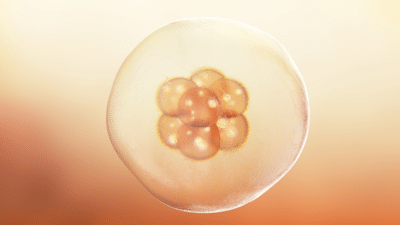
Right after the embryo transfer, the embryo is placed inside your uterus and may float freely for a short time before settling. During the next few days, it slowly moves toward the uterine lining and begins the process of implantation, which means attaching itself to the lining of the uterus. For most people, implantation usually takes place between 6 and 10 days after embryo transfer, so it is normal if you do not notice any immediate changes.
Once implantation begins, your body starts producing higher levels of key pregnancy hormones. The most important one is hCG (human chorionic gonadotropin), which is the hormone detected by pregnancy tests. At the same time, levels of oestrogen and progesterone also increase. These hormones help keep the uterine lining healthy and support the early stages of pregnancy.
When Do Symptoms Usually Start After Embryo Transfer?
Most early signs usually appear between 6 and 12 days after embryo transfer. These changes are mainly driven by hormonal shifts, but every person’s body responds differently.

Take a look at this general timeline:
Several physical and emotional sensations are often linked with successful implantation. These can come from the early pregnancy itself or from the supporting fertility medications, especially progesterone and oestrogen. Because of this overlap, symptoms alone cannot confirm implantation, but they can give you a general idea of how your body may be responding.
These are some of the most commonly reported signs:
Nausea or mild morning sickness: Some experience queasiness, food cravings, or aversions, especially as hCG increases. Increased vaginal discharge: A rise in white or creamy discharge can occur as the body adjusts. Frequent urination: More trips to the bathroom may happen because of higher hormone levels and increased blood flow. Mood swings or emotional changes: Feelings of irritability, sudden hopefulness, anxiety, or sensitivity often come from hormonal changes and the emotional wait. Elevated basal body temperature: A consistently higher temperature may continue after implantation because progesterone remains elevated. Food aversions or changes in taste/smell: Some notice stronger reactions to certain foods or smells. Why Absence of Symptoms After Embryo Transfer is Normal
If you notice very little or no changes in your body, there is no need to panic. Many successful pregnancies begin without any obvious early signs, especially in the days right after embryo transfer. Not feeling symptoms does not mean that implantation has failed or that the cycle has not worked.
It is also important to remember that implantation and early pregnancy are very quiet processes. A lot is happening at a microscopic level that you simply cannot feel. So even if your body feels the same as usual, your uterus may still be doing exactly what it needs to do to support the embryo.
The waiting phase after embryo transfer can be emotionally challenging, and it is natural to overthink every small sensation or lack of it. Try to focus on rest and follow your medication schedule carefully. In this phase, patience really is one of the most important parts of the process, and the only reliable answers will come from proper medical testing at the right time.
You’re not alone in your journey when trying to conceive. Join our supportive community to connect with others, share experiences, and find encouragement every step of the way.
FAQs on Wondering if Your Embryo Transfer Worked? Early Signs to Know
Does embryo quality guarantee positive results after transfer?
Good-quality embryos increase chances but do not guarantee implantation. Can stress or anxiety stop implantation from happening after embryo transfer?
Emotional stress does not directly prevent implantation, but high stress can disturb sleep, appetite, and routine, which may affect overall well-being.
Remember, everyone’s experience is different. Not noticing any particular changes doesn’t mean something is wrong. What really matters right now is taking care of yourself, getting plenty of rest, and being patient during this two-week waiting period.
What Happens in the Body After Embryo Transfer
Right after the embryo transfer, the embryo is placed inside your uterus and may float freely for a short time before settling. During the next few days, it slowly moves toward the uterine lining and begins the process of implantation, which means attaching itself to the lining of the uterus. For most people, implantation usually takes place between 6 and 10 days after embryo transfer, so it is normal if you do not notice any immediate changes.
Once implantation begins, your body starts producing higher levels of key pregnancy hormones. The most important one is hCG (human chorionic gonadotropin), which is the hormone detected by pregnancy tests. At the same time, levels of oestrogen and progesterone also increase. These hormones help keep the uterine lining healthy and support the early stages of pregnancy.
When Do Symptoms Usually Start After Embryo Transfer?
Most early signs usually appear between 6 and 12 days after embryo transfer. These changes are mainly driven by hormonal shifts, but every person’s body responds differently.
Take a look at this general timeline:
- Days 1 to 3: You may feel normal or slightly tired from the procedure and medications.
- Days 4 to 6: Mild cramping, bloating, or tiredness may begin for some people. Feeling no symptoms at this stage is also completely fine.
- Days 6 to 8: Implantation spotting or light bleeding sometimes appears, along with mild pelvic pressure.
- Days 9 to 10: Breast tenderness, mild nausea, fatigue, or changes in taste and smell can become noticeable as hCG rises.
- Days 11 to 14: Symptoms may increase, stay mild, or still be barely noticeable. This is when clinics typically recommend pregnancy testing.
Several physical and emotional sensations are often linked with successful implantation. These can come from the early pregnancy itself or from the supporting fertility medications, especially progesterone and oestrogen. Because of this overlap, symptoms alone cannot confirm implantation, but they can give you a general idea of how your body may be responding.
These are some of the most commonly reported signs:
- Light spotting or implantation bleeding: A small amount of pink or brown discharge that lasts from a few hours to a couple of days. This usually appears 6 to 12 days after transfer when the embryo attaches to the uterine lining.
- Mild cramping or twinges: Gentle, on-and-off lower abdominal discomfort that feels different from strong period cramps.
- Breast tenderness or swelling: Breasts may feel sore, full, heavier, or sensitive due to rising progesterone and hCG.
- Fatigue and tiredness: Feeling unusually sleepy or low on energy is very common due to higher progesterone, which has a calming effect on the body.
- Bloating and digestive changes: A full, swollen feeling or constipation happens because hormones slow down digestion.
If you notice very little or no changes in your body, there is no need to panic. Many successful pregnancies begin without any obvious early signs, especially in the days right after embryo transfer. Not feeling symptoms does not mean that implantation has failed or that the cycle has not worked.
It is also important to remember that implantation and early pregnancy are very quiet processes. A lot is happening at a microscopic level that you simply cannot feel. So even if your body feels the same as usual, your uterus may still be doing exactly what it needs to do to support the embryo.
The waiting phase after embryo transfer can be emotionally challenging, and it is natural to overthink every small sensation or lack of it. Try to focus on rest and follow your medication schedule carefully. In this phase, patience really is one of the most important parts of the process, and the only reliable answers will come from proper medical testing at the right time.
You’re not alone in your journey when trying to conceive. Join our supportive community to connect with others, share experiences, and find encouragement every step of the way.
FAQs on Wondering if Your Embryo Transfer Worked? Early Signs to Know
Good-quality embryos increase chances but do not guarantee implantation.
Emotional stress does not directly prevent implantation, but high stress can disturb sleep, appetite, and routine, which may affect overall well-being.
Next Story