
World Ayurveda Day 2026: History, Significance and the Timeless Wisdom of Ayurveda

Ayurveda is one of the world’s oldest systems of traditional medicine and has played an important role in India’s cultural and intellectual history. Its approach to wellness focuses on maintaining balance in the body and mind through diet, daily routines, lifestyle practices and traditional therapies.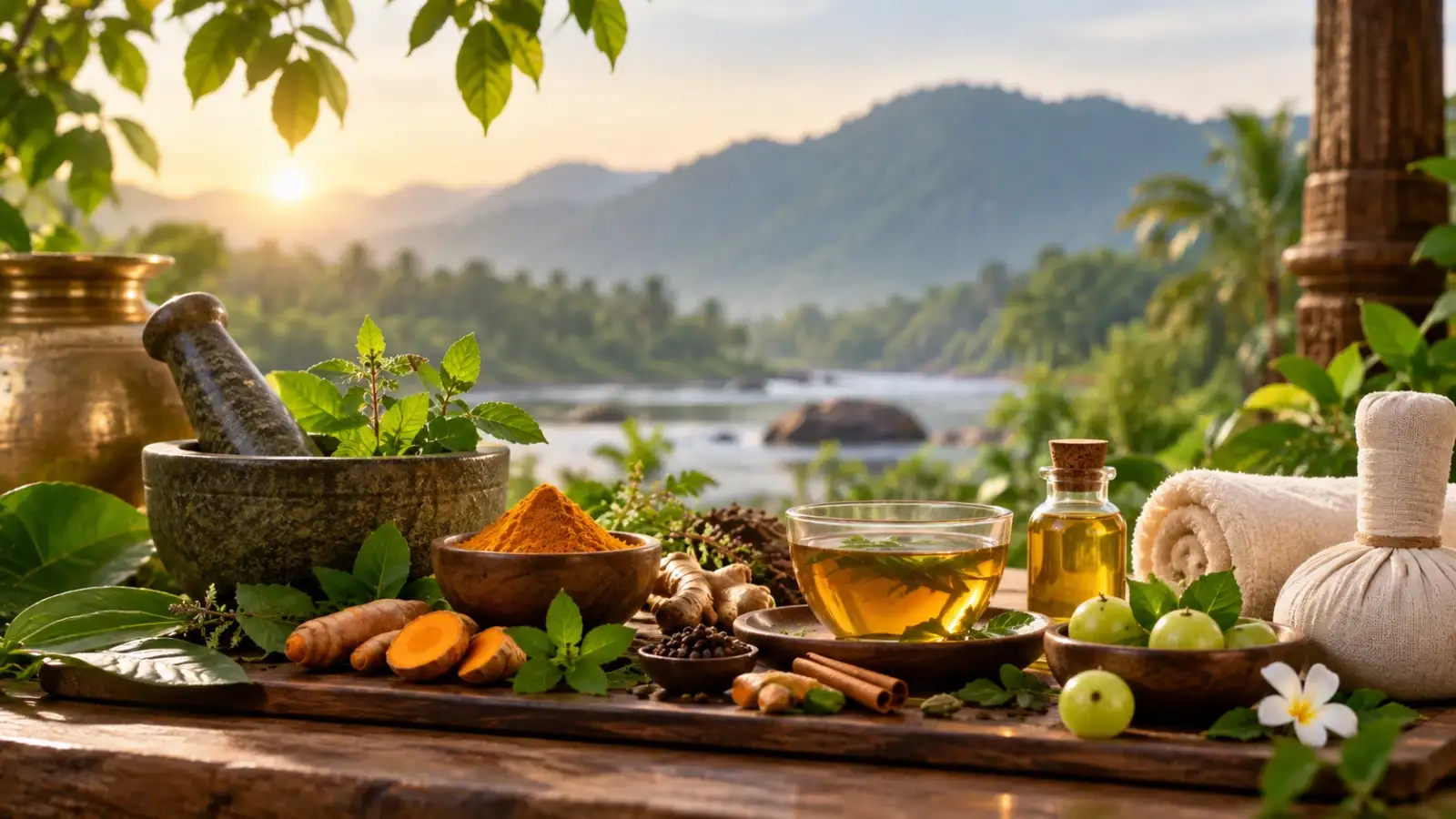
World Ayurveda Day is an occasion to highlight the history, principles and global influence of this traditional knowledge system. It also encourages conversations about preventive healthcare, healthy living and the importance of understanding traditional practices responsibly.
As interest in natural living, mindful eating and holistic wellness continues to grow, Ayurveda remains a subject of interest for people in India and around the world.
In 2025, the Government of India announced that World Ayurveda Day would be observed on 23 September. The government also declared that the day would be celebrated annually on 23 September from 2025 onwards.
The day is associated with Lord Dhanvantari, who is traditionally regarded in Hindu beliefs as the divine figure connected with Ayurveda and healing.
World Ayurveda Day brings together practitioners, researchers, educational institutions and wellness organisations to discuss the relevance, development and responsible use of Ayurvedic knowledge.
Rather than focusing only on individual symptoms, classical Ayurvedic traditions emphasise maintaining balance and supporting overall wellbeing.
Ayurvedic knowledge has been passed down through classical texts, teacher-student traditions and regional practices. Its methods and interpretations can vary across schools and practitioners.
The Charaka Samhita is associated primarily with medicine, diagnosis and discussions of health, while the Sushruta Samhita is well known for its descriptions of surgery and anatomical knowledge within the historical context of Indian medicine.
Another important text is the Ashtanga Hridaya, which presents Ayurvedic ideas in a structured and accessible form.
These works reflect the development of medical thought, observation and therapeutic traditions in ancient India. They also demonstrate the importance given to diet, hygiene, daily routines and the relationship between humans and their surroundings.
Vata is commonly linked with movement, Pitta with transformation and Kapha with stability.
According to classical Ayurvedic theory, an individual’s constitution and changing state of balance influence how their body and mind function.
However, dosha-based explanations belong to the traditional framework of Ayurveda and should not be treated as scientifically established substitutes for modern medical diagnosis.
Commonly used ingredients in Ayurvedic preparations include turmeric, ginger, cumin, coriander, fennel and black pepper.
Although many of these ingredients are widely used in Indian cooking, their presence in a traditional wellness practice does not automatically establish a specific medicinal benefit.
A balanced diet should be planned according to individual nutritional needs and, where necessary, professional dietary guidance.
These practices may include maintaining regular sleeping and waking times, personal hygiene, mindful eating and physical activity.
Some people incorporate selected elements of these routines into modern lifestyles as a way of developing greater consistency and awareness in their daily habits.
Practices such as drinking certain herbal infusions, using oil in traditional body-care routines and preparing seasonal foods are found in different regions of the country.
However, household traditions may differ significantly from classical Ayurvedic texts. Not every home remedy or traditional practice should automatically be described as an Ayurvedic treatment.
The cultural influence of Ayurveda can be understood through language, food, festivals, wellness rituals and the continued study of traditional medical literature.
Ayurvedic centres, educational institutions and wellness businesses now operate in several countries. Some people explore Ayurveda for relaxation, traditional massage practices, dietary inspiration or cultural learning.
At the same time, modern discussions about Ayurveda increasingly focus on quality control, research, safety standards and the need to distinguish traditional claims from scientifically established evidence.
The responsible use of Ayurvedic products requires attention to ingredients, manufacturing standards, possible interactions and individual health needs.
Certain herbal or mineral-based preparations may cause side effects or interact with prescribed medicines. Some products may also contain harmful contaminants if they are manufactured or tested improperly.
People should consult qualified healthcare professionals before using Ayurvedic products to manage a medical condition, especially when they are pregnant, taking medication or living with a chronic illness.
Ayurvedic practices should not be used as a replacement for urgent medical care or evidence-based treatment.
People can explore the history of Ayurvedic texts, learn about traditional Indian herbs and understand the role of seasonal food practices in different regions.
Schools and institutions may organise lectures, exhibitions, workshops and discussions on traditional knowledge systems.
Individuals can also focus on practical wellness habits, such as eating balanced meals, maintaining a regular sleep schedule, staying physically active and making time for relaxation.
The day can also encourage respectful conversations between traditional knowledge holders, researchers and modern healthcare professionals.
It highlights the importance of preserving historical knowledge, supporting responsible research and improving public awareness about safety.
The observance also reminds people that wellness involves several interconnected factors, including nutrition, physical activity, sleep, emotional wellbeing and access to appropriate healthcare.
Ayurveda’s continuing relevance can be explored through its history, cultural influence and selected lifestyle practices, provided that traditional claims are evaluated carefully.
World Ayurveda Day celebrates the long history of Ayurveda and its influence on India’s approach to health, food and daily living. From classical medical texts to household traditions, Ayurvedic ideas have shaped several aspects of Indian culture.
The day also offers an opportunity to discuss how traditional knowledge can be studied and preserved responsibly in the modern world.
While Ayurveda remains culturally significant and may offer practices that support general wellbeing, medical decisions should be based on reliable evidence and professional guidance.
By combining respect for traditional knowledge with scientific understanding and safety awareness, World Ayurveda Day can encourage a more informed conversation about health and wellness.
World Ayurveda Day is an occasion to highlight the history, principles and global influence of this traditional knowledge system. It also encourages conversations about preventive healthcare, healthy living and the importance of understanding traditional practices responsibly.
As interest in natural living, mindful eating and holistic wellness continues to grow, Ayurveda remains a subject of interest for people in India and around the world.
When Is World Ayurveda Day Celebrated?
World Ayurveda Day is observed annually on Dhanvantari Jayanti, which falls during the Hindu month of Kartik. As the date follows the lunar calendar, the observance changes each year.In 2025, the Government of India announced that World Ayurveda Day would be observed on 23 September. The government also declared that the day would be celebrated annually on 23 September from 2025 onwards.
The day is associated with Lord Dhanvantari, who is traditionally regarded in Hindu beliefs as the divine figure connected with Ayurveda and healing.
World Ayurveda Day brings together practitioners, researchers, educational institutions and wellness organisations to discuss the relevance, development and responsible use of Ayurvedic knowledge.
What Is Ayurveda?
The word Ayurveda comes from two Sanskrit terms, ‘ayus’, meaning life, and ‘veda’, meaning knowledge or understanding. The term is commonly interpreted as the ‘knowledge of life’. Ayurveda is a traditional Indian system that takes a broad view of health. It considers food, sleep, daily habits, physical activity, emotional wellbeing and environmental factors as interconnected aspects of life.Rather than focusing only on individual symptoms, classical Ayurvedic traditions emphasise maintaining balance and supporting overall wellbeing.
Ayurvedic knowledge has been passed down through classical texts, teacher-student traditions and regional practices. Its methods and interpretations can vary across schools and practitioners.
The Historical Roots of Ayurveda
Ayurveda developed over centuries in the Indian subcontinent. Its foundations are described in classical texts such as the Charaka Samhita and the Sushruta Samhita.The Charaka Samhita is associated primarily with medicine, diagnosis and discussions of health, while the Sushruta Samhita is well known for its descriptions of surgery and anatomical knowledge within the historical context of Indian medicine.
Another important text is the Ashtanga Hridaya, which presents Ayurvedic ideas in a structured and accessible form.
These works reflect the development of medical thought, observation and therapeutic traditions in ancient India. They also demonstrate the importance given to diet, hygiene, daily routines and the relationship between humans and their surroundings.
The Core Principles of Ayurveda
The Concept of Doshas
Ayurvedic traditions describe three doshas, known as Vata, Pitta and Kapha. They are traditionally understood as functional principles associated with different physical and physiological processes.Vata is commonly linked with movement, Pitta with transformation and Kapha with stability.
According to classical Ayurvedic theory, an individual’s constitution and changing state of balance influence how their body and mind function.
However, dosha-based explanations belong to the traditional framework of Ayurveda and should not be treated as scientifically established substitutes for modern medical diagnosis.
The Importance of Diet
Food has a central place in Ayurvedic traditions. Meals are often discussed in relation to digestion, seasonal changes, individual habits and the qualities traditionally attributed to different ingredients.Commonly used ingredients in Ayurvedic preparations include turmeric, ginger, cumin, coriander, fennel and black pepper.
Although many of these ingredients are widely used in Indian cooking, their presence in a traditional wellness practice does not automatically establish a specific medicinal benefit.
A balanced diet should be planned according to individual nutritional needs and, where necessary, professional dietary guidance.
Daily Routines
Ayurvedic traditions place considerable importance on daily routines, often referred to as dinacharya.These practices may include maintaining regular sleeping and waking times, personal hygiene, mindful eating and physical activity.
Some people incorporate selected elements of these routines into modern lifestyles as a way of developing greater consistency and awareness in their daily habits.
Ayurveda and Indian Culture
Ayurveda is closely connected with Indian food traditions, seasonal customs and household practices. Many commonly used herbs and spices have long histories in Indian kitchens.Practices such as drinking certain herbal infusions, using oil in traditional body-care routines and preparing seasonal foods are found in different regions of the country.
However, household traditions may differ significantly from classical Ayurvedic texts. Not every home remedy or traditional practice should automatically be described as an Ayurvedic treatment.
The cultural influence of Ayurveda can be understood through language, food, festivals, wellness rituals and the continued study of traditional medical literature.
Ayurveda in Modern Wellness
Interest in Ayurveda has grown alongside wider discussions about yoga, meditation, natural products and lifestyle-based wellness.Ayurvedic centres, educational institutions and wellness businesses now operate in several countries. Some people explore Ayurveda for relaxation, traditional massage practices, dietary inspiration or cultural learning.
At the same time, modern discussions about Ayurveda increasingly focus on quality control, research, safety standards and the need to distinguish traditional claims from scientifically established evidence.
The responsible use of Ayurvedic products requires attention to ingredients, manufacturing standards, possible interactions and individual health needs.
The Importance of Research and Safety
Ayurveda remains an important area of study, but not all traditional treatments have been supported by high-quality scientific research.Certain herbal or mineral-based preparations may cause side effects or interact with prescribed medicines. Some products may also contain harmful contaminants if they are manufactured or tested improperly.
People should consult qualified healthcare professionals before using Ayurvedic products to manage a medical condition, especially when they are pregnant, taking medication or living with a chronic illness.
Ayurvedic practices should not be used as a replacement for urgent medical care or evidence-based treatment.
How to Observe World Ayurveda Day
World Ayurveda Day can be observed through educational and culturally meaningful activities.People can explore the history of Ayurvedic texts, learn about traditional Indian herbs and understand the role of seasonal food practices in different regions.
Schools and institutions may organise lectures, exhibitions, workshops and discussions on traditional knowledge systems.
Individuals can also focus on practical wellness habits, such as eating balanced meals, maintaining a regular sleep schedule, staying physically active and making time for relaxation.
The day can also encourage respectful conversations between traditional knowledge holders, researchers and modern healthcare professionals.
Why World Ayurveda Day Matters
World Ayurveda Day provides an opportunity to recognise Ayurveda’s place in India’s cultural heritage while encouraging a balanced understanding of traditional medicine.It highlights the importance of preserving historical knowledge, supporting responsible research and improving public awareness about safety.
You may also like
- New rules for birth and death registration to come into effect on October 1; court visits will now be required..
- No more hassle with the new FASTag! NHAI has launched OneTag; find out how it works..
- 'Bharat Taxi' services—including bikes, autos, and cabs—will reach UP villages; find out how it works..
- 10 Major Reasons for the Rejection of New Ration Card Applications and How to Avoid Them..
- Six documents, including a photograph of the house, are now mandatory for obtaining a new ration card; find out how to apply online..
The observance also reminds people that wellness involves several interconnected factors, including nutrition, physical activity, sleep, emotional wellbeing and access to appropriate healthcare.
Ayurveda’s continuing relevance can be explored through its history, cultural influence and selected lifestyle practices, provided that traditional claims are evaluated carefully.
World Ayurveda Day celebrates the long history of Ayurveda and its influence on India’s approach to health, food and daily living. From classical medical texts to household traditions, Ayurvedic ideas have shaped several aspects of Indian culture.
The day also offers an opportunity to discuss how traditional knowledge can be studied and preserved responsibly in the modern world.
While Ayurveda remains culturally significant and may offer practices that support general wellbeing, medical decisions should be based on reliable evidence and professional guidance.
By combining respect for traditional knowledge with scientific understanding and safety awareness, World Ayurveda Day can encourage a more informed conversation about health and wellness.






Loving Newspoint? Download the app now
