World Mental Health Day 2024: How October 10 is Shaping the Future of Mental Well-being

October 10 is celebrated globally as World Mental Health Day , an annual event aimed at raising awareness about mental health and promoting support for mental well-being . Spearheaded by the World Health Organization (WHO), this initiative highlights the critical role mental health plays in our lives—whether in personal relationships, communities, or workplaces.
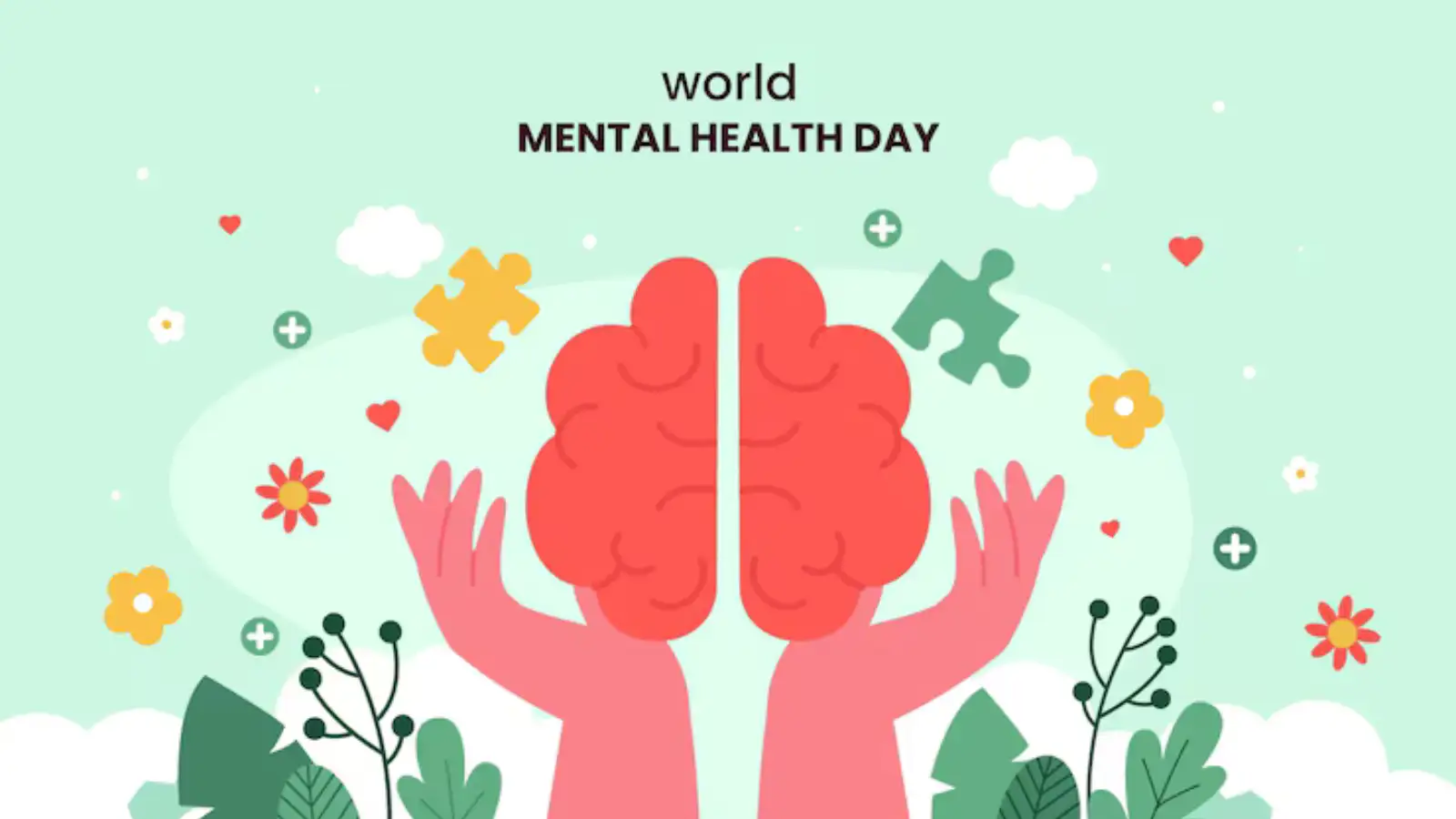
In 2024, the focus is on mental health in the workplace, emphasizing the importance of a supportive and healthy work environment for overall well-being. The day calls for global attention to the challenges workers face and encourages collaboration among governments, employers, and individuals to foster mental well-being.
Mental Health at Work: Why It Matters
A positive work environment is not just a benefit but a necessity for mental well-being. It provides purpose, stability, and fulfillment. However, workplaces that are toxic or poorly managed can severely impact mental health, leading to stress, burnout, and decreased productivity.
With 60% of the global population engaged in the workforce, it’s crucial to address these issues head-on, as the workplace can either protect or harm an individual's mental health. Ensuring that employees feel supported can make a world of difference, both personally and professionally.
Workplace Risks for Mental Health
Several factors in the workplace can negatively impact mental health, including:
Addressing these risks is crucial to safeguarding employee well-being and maintaining a productive workforce.
Impact on Individuals and Society
Without adequate mental health support, workers may face reduced job satisfaction, increased absences, and higher rates of job turnover. This can erode their confidence, making it harder to sustain employment. On a larger scale, depression and anxiety contribute to the loss of around 12 billion workdays globally each year, making mental health a societal concern.
In 2024, the focus is on mental health in the workplace, emphasizing the importance of a supportive and healthy work environment for overall well-being. The day calls for global attention to the challenges workers face and encourages collaboration among governments, employers, and individuals to foster mental well-being.
Mental Health at Work: Why It Matters
A positive work environment is not just a benefit but a necessity for mental well-being. It provides purpose, stability, and fulfillment. However, workplaces that are toxic or poorly managed can severely impact mental health, leading to stress, burnout, and decreased productivity.
With 60% of the global population engaged in the workforce, it’s crucial to address these issues head-on, as the workplace can either protect or harm an individual's mental health. Ensuring that employees feel supported can make a world of difference, both personally and professionally.
Workplace Risks for Mental Health
Several factors in the workplace can negatively impact mental health, including:
- Discrimination and Stigma: Workers facing discrimination or stigma are more likely to experience stress and anxiety.
- Unsafe Conditions: Poor or hazardous working conditions heighten mental health risks.
- Job Insecurity: Employees in low-paying or unstable jobs are often more vulnerable to psychological stress.
Addressing these risks is crucial to safeguarding employee well-being and maintaining a productive workforce.
Impact on Individuals and Society
Without adequate mental health support, workers may face reduced job satisfaction, increased absences, and higher rates of job turnover. This can erode their confidence, making it harder to sustain employment. On a larger scale, depression and anxiety contribute to the loss of around 12 billion workdays globally each year, making mental health a societal concern.
Next Story