
World Pasta Day 2026: Date, History and Interesting Facts About Pasta

World Pasta Day is celebrated every year on 25 October to recognise one of the world's most popular and versatile foods. From a simple bowl of spaghetti with tomato sauce to creamy penne and baked pasta dishes, this familiar ingredient has found a place in kitchens across different cultures. The occasion celebrates pasta's culinary heritage, its variety of shapes and preparations, and its role in bringing people together over shared meals.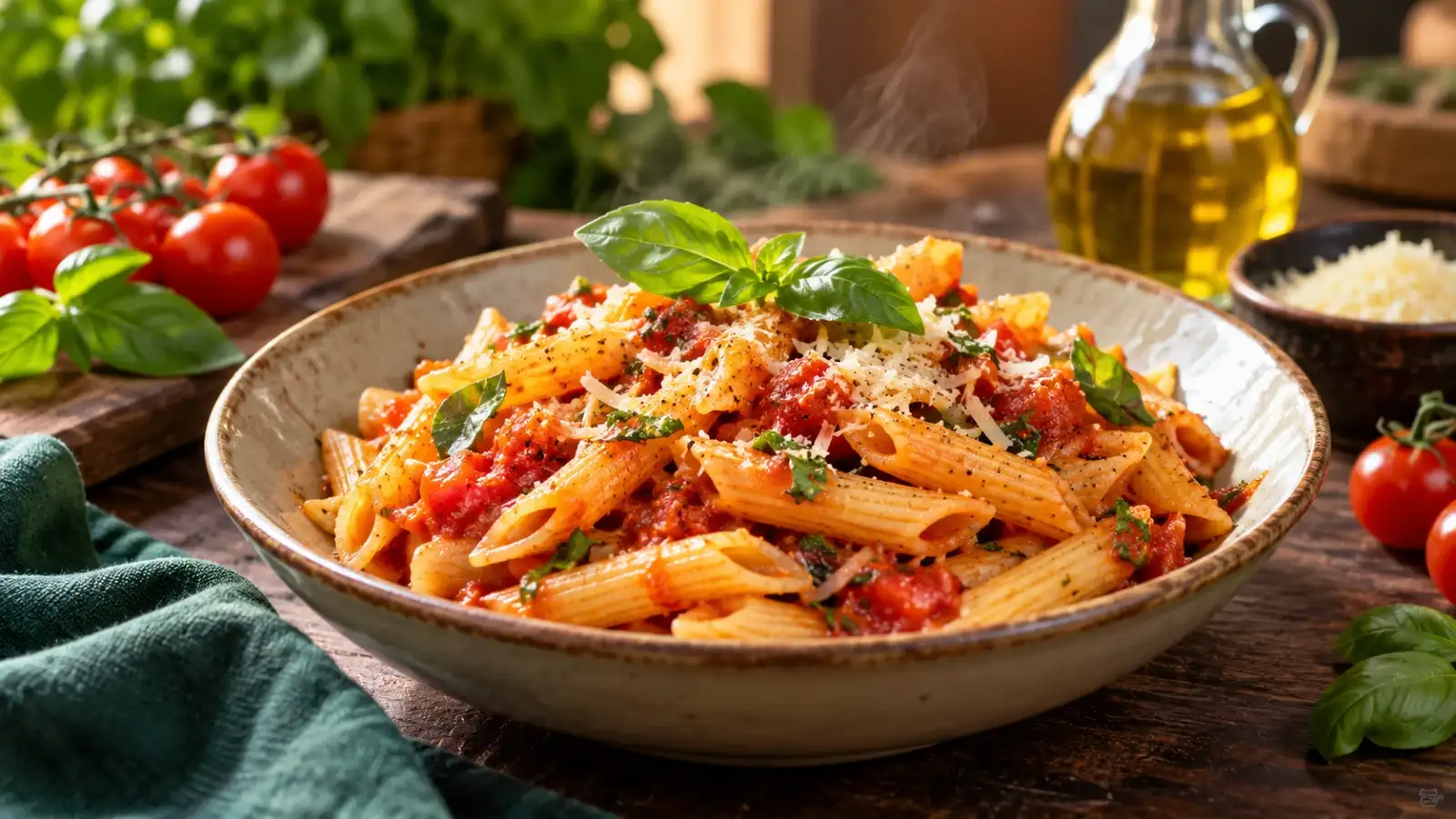
In 2026, World Pasta Day falls on Sunday, 25 October. The day also offers an opportunity to explore different recipes, learn about pasta traditions and appreciate how a relatively simple combination of ingredients can create countless dishes. Although pasta is closely associated with Italian cuisine, its popularity now extends far beyond Italy, with countries adapting it to local tastes and cooking styles.
The first World Pasta Day was subsequently held in Naples in 1998. Since then, the annual observance has celebrated pasta's place in food culture, while events have been organised in cities across different parts of the world.
The International Pasta Organisation and Unione Italiana Food have played important roles in promoting the occasion. Over the years, World Pasta Day has become an opportunity for chefs, food professionals and pasta enthusiasts to exchange ideas, share recipes and discuss the food's place in modern diets.
Pasta is also relatively convenient to prepare. Dried varieties can be stored for extended periods when kept in suitable conditions, making them a practical ingredient for everyday meals. With vegetables, herbs, tomato sauce, beans or cheese, pasta can be adapted to suit different preferences and budgets.
Another reason is its ability to cross culinary boundaries. While traditional Italian recipes remain popular, cooks around the world have created their own versions using regional spices, sauces and ingredients. This flexibility has helped pasta become a familiar feature of both home cooking and restaurant menus.
Families can organise a pasta-making session, while food enthusiasts can explore recipes from different countries. Restaurants and home cooks may also use the occasion to introduce new combinations and share their favourite dishes.
Another way to mark the day is to reduce food waste by cooking appropriate portions and storing leftovers safely. Choosing ingredients thoughtfully can make pasta meals both enjoyable and practical.
As food preferences continue to evolve, pasta remains a flexible ingredient that can be prepared in countless ways. World Pasta Day encourages people to explore those possibilities, appreciate different culinary traditions and enjoy a meal with family and friends.
In 2026, World Pasta Day falls on Sunday, 25 October. The day also offers an opportunity to explore different recipes, learn about pasta traditions and appreciate how a relatively simple combination of ingredients can create countless dishes. Although pasta is closely associated with Italian cuisine, its popularity now extends far beyond Italy, with countries adapting it to local tastes and cooking styles.
What Is the History of World Pasta Day?
World Pasta Day has its roots in an international gathering of pasta producers. The World Pasta Congress was held in Rome on 25 October 1995, bringing together representatives from different countries to discuss pasta and ways to promote it around the world.The first World Pasta Day was subsequently held in Naples in 1998. Since then, the annual observance has celebrated pasta's place in food culture, while events have been organised in cities across different parts of the world.
The International Pasta Organisation and Unione Italiana Food have played important roles in promoting the occasion. Over the years, World Pasta Day has become an opportunity for chefs, food professionals and pasta enthusiasts to exchange ideas, share recipes and discuss the food's place in modern diets.
Why Is Pasta So Popular Around the World?
One reason for pasta's popularity is its versatility. Different shapes work well with different sauces, ingredients and cooking methods. Long strands such as spaghetti are commonly served with tomato-based or oil-based sauces, while shapes such as penne and fusilli can hold thicker sauces and small pieces of vegetables.Pasta is also relatively convenient to prepare. Dried varieties can be stored for extended periods when kept in suitable conditions, making them a practical ingredient for everyday meals. With vegetables, herbs, tomato sauce, beans or cheese, pasta can be adapted to suit different preferences and budgets.
Another reason is its ability to cross culinary boundaries. While traditional Italian recipes remain popular, cooks around the world have created their own versions using regional spices, sauces and ingredients. This flexibility has helped pasta become a familiar feature of both home cooking and restaurant menus.
Interesting Facts About Pasta
Pasta comes in many shapes and sizes
Pasta is available in numerous forms, from spaghetti and macaroni to farfalle, fusilli, penne and lasagne sheets. Each shape offers a different texture and works well with particular sauces and recipes.You may also like
- Indian Skin Isn't Sun-Proof: The Truth About Sun Damage
- Students Prefer Starting Their Own Businesses Over Seeking Jobs; 22% Have Already Launched Ventures
- Kristen Bell says parenting her two daughters is so hard that she cries weekly, and explains why she and Dax Shepard changed what they share about the girls online once they were old enough to be affected by it; 2 parenting lesson for parents
- DIY Ghee Lip Balm: A Natural Solution for Chapped Lips
- CNG Becomes Costlier by ₹4.45; What Is the New Price?
Pasta is not limited to Italian cooking
Although Italy is strongly associated with pasta, similar foods and noodle traditions exist across many cultures. Today, pasta is prepared with ingredients and seasonings that reflect local food habits, creating a wide range of international variations.The ingredients can vary
Traditional dried pasta is commonly made from durum wheat semolina and water. Fresh pasta may include eggs, while some varieties use other grains or ingredients. People with allergies, coeliac disease or dietary restrictions should check product labels carefully.Pasta can be part of a balanced meal
Pasta provides carbohydrates, which the body uses for energy. Pairing it with vegetables, beans, lentils or other suitable protein sources can help create a more balanced meal. Wholemeal pasta is another option for people looking to increase their fibre intake.How to Celebrate World Pasta Day 2026
World Pasta Day can be celebrated in simple and practical ways. Try preparing a pasta recipe that is different from your usual meal, experiment with a new shape or make a homemade sauce using fresh tomatoes, garlic, herbs and vegetables.Families can organise a pasta-making session, while food enthusiasts can explore recipes from different countries. Restaurants and home cooks may also use the occasion to introduce new combinations and share their favourite dishes.
Another way to mark the day is to reduce food waste by cooking appropriate portions and storing leftovers safely. Choosing ingredients thoughtfully can make pasta meals both enjoyable and practical.
Why World Pasta Day Matters
World Pasta Day is more than a celebration of a popular food. It recognises the traditions, creativity and shared experiences associated with cooking and eating. A bowl of pasta can be an everyday family meal, a restaurant speciality or a dish adapted to reflect a region's local ingredients.As food preferences continue to evolve, pasta remains a flexible ingredient that can be prepared in countless ways. World Pasta Day encourages people to explore those possibilities, appreciate different culinary traditions and enjoy a meal with family and friends.






Loving Newspoint? Download the app now
