
Worst foods you may be feeding mistakenly to your pet dog


There’s no denying dogs are those little best friends who always have our back, but they often master the art of hiding their own pain and sometimes what we feed these little ones can be the major reason for their pain and agony. Here’s all you need to know about the worst foods that vets always warn about. Read on to know more…
Why is it important to avoid certain foods?
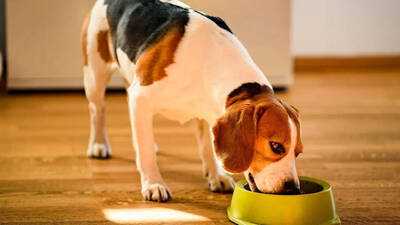 Every dog owner knows the struggle of staring into those big, pleading puppy eyes at the dinner table. It is incredibly tempting to toss them a scrap of whatever you are eating, but that innocent gesture can sometimes have devastating consequences. While dogs can digest many human foods perfectly fine, their metabolic systems are entirely different from ours. According to veterinary experts, several common pantry staples contain chemical compounds that are highly toxic to canines. Knowing exactly what goes on behind the scenes when a dog digests these toxic foods can mean the difference between a happy pet and an emergency trip to the clinic.
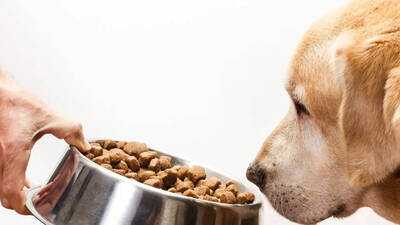
Grapes and Raisins
Grapes and raisins are among the most unpredictable and dangerous foods a dog can consume. It is still a matter of debate what the exact chemical mechanism behind this toxicity is, but the results are devastatingly clear: ingestion can trigger sudden, acute kidney failure. Even a single raisin can be toxic to a small dog, causing initial symptoms like vomiting, lethargy, and a drastic drop in urine production within a few hours.
Toxicity of Chocolate
Most owners know chocolate is bad, but many do not realize why!Chocolate contains a bitter alkaloid called theobromine, which humans metabolize easily, but dogs process incredibly slowly. As the toxin builds up in their bloodstream, it overstimulates their central nervous system and cardiovascular system. This leads to severe panting, an abnormal heart rate, muscle tremors, seizures, and potentially fatal heart failure, with dark cocoa and baking chocolate being the most lethal.
Onion and garlic
Onions, garlic, chives, and leeks contain a group of toxic compounds called thiosulfates. When a dog digests any form of these plants—whether raw, cooked, or powdered—the thiosulfates attach to the oxygen-carrying molecules in their red blood cells. This causes the cells to rupture and dissolve from the inside out. Over the course of a few days, this widespread destruction results in hemolytic anemia, leaving the dog weak, breathless, and suffering from pale gums.
Xylitol
Xylitol is something that is often used in place of sugar in gum, peanut butter, sweets and baked things. It does not affect humans in a way it does not make their insulin levels go up or down.. When a dog eats Xylitol their body gets confused. The pancreas thinks Xylitol is sugar so it releases a lot of insulin. This is very bad, for the dog. This triggers a sudden, severe drop in blood sugar (hypoglycemia) within minutes, causing the dog to lose coordination and suffer seizures. In higher doses, xylitol causes irreversible, acute liver necrosis.
Bread or dough
Raw bread dough presents two distinct, life-threatening hazards if swallowed by a dog. First, the warm, moist environment of the dog's stomach acts as a perfect incubator, causing the yeast dough to rapidly expand and stretch the stomach lining, which can cut off blood flow to vital organs. Second, as the yeast ferments inside the stomach, it produces ethanol, which is quickly absorbed into the bloodstream and causes severe alcohol poisoning.
Cooked Bones or fatty foods
While raw bones can be safe under supervision, cooked bones from your steak or chicken are a major hazard. Cooking makes the bone structure brittle, causing it to splinter into razor-sharp shards when chewed, which can puncture the esophagus or stomach lining. Additionally, feeding dogs large amounts of fatty trimmings can overtax their digestive system, causing the pancreas to become severely inflamed (pancreatitis), an incredibly painful and dangerous condition.
Why is it important to avoid certain foods?
Grapes and Raisins
Grapes and raisins are among the most unpredictable and dangerous foods a dog can consume. It is still a matter of debate what the exact chemical mechanism behind this toxicity is, but the results are devastatingly clear: ingestion can trigger sudden, acute kidney failure. Even a single raisin can be toxic to a small dog, causing initial symptoms like vomiting, lethargy, and a drastic drop in urine production within a few hours.
Toxicity of Chocolate
Most owners know chocolate is bad, but many do not realize why!Chocolate contains a bitter alkaloid called theobromine, which humans metabolize easily, but dogs process incredibly slowly. As the toxin builds up in their bloodstream, it overstimulates their central nervous system and cardiovascular system. This leads to severe panting, an abnormal heart rate, muscle tremors, seizures, and potentially fatal heart failure, with dark cocoa and baking chocolate being the most lethal.
Onion and garlic
Onions, garlic, chives, and leeks contain a group of toxic compounds called thiosulfates. When a dog digests any form of these plants—whether raw, cooked, or powdered—the thiosulfates attach to the oxygen-carrying molecules in their red blood cells. This causes the cells to rupture and dissolve from the inside out. Over the course of a few days, this widespread destruction results in hemolytic anemia, leaving the dog weak, breathless, and suffering from pale gums.
Xylitol
Xylitol is something that is often used in place of sugar in gum, peanut butter, sweets and baked things. It does not affect humans in a way it does not make their insulin levels go up or down.. When a dog eats Xylitol their body gets confused. The pancreas thinks Xylitol is sugar so it releases a lot of insulin. This is very bad, for the dog. This triggers a sudden, severe drop in blood sugar (hypoglycemia) within minutes, causing the dog to lose coordination and suffer seizures. In higher doses, xylitol causes irreversible, acute liver necrosis.
Bread or dough
Raw bread dough presents two distinct, life-threatening hazards if swallowed by a dog. First, the warm, moist environment of the dog's stomach acts as a perfect incubator, causing the yeast dough to rapidly expand and stretch the stomach lining, which can cut off blood flow to vital organs. Second, as the yeast ferments inside the stomach, it produces ethanol, which is quickly absorbed into the bloodstream and causes severe alcohol poisoning.
Cooked Bones or fatty foods
While raw bones can be safe under supervision, cooked bones from your steak or chicken are a major hazard. Cooking makes the bone structure brittle, causing it to splinter into razor-sharp shards when chewed, which can puncture the esophagus or stomach lining. Additionally, feeding dogs large amounts of fatty trimmings can overtax their digestive system, causing the pancreas to become severely inflamed (pancreatitis), an incredibly painful and dangerous condition.
Next Story