
Your Daily Brushing Routine Could Be Hurting Your Teeth


Most people brush their teeth twice a day without giving much thought to their technique. While regular brushing is one of the most important parts of maintaining healthy teeth, brushing incorrectly can slowly damage your tooth enamel and irritate your gums. Using too much force, choosing the wrong toothbrush, or brushing at the wrong time are common mistakes that often go unnoticed. Over time, these habits may contribute to tooth sensitivity, gum problems, and unnecessary dental issues. Understanding the right way to brush can help you protect your oral health while keeping your smile healthy and strong.
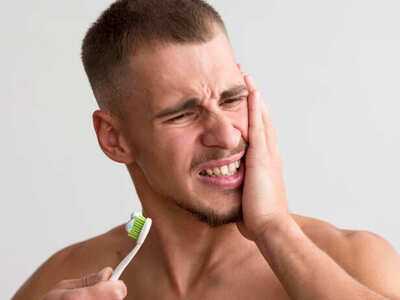
Why Brushing Technique Matters More Than You Think
Brushing your teeth is about removing plaque and food particles, not scrubbing your teeth as hard as possible. Many people believe that brushing with extra pressure cleans better, but excessive force can gradually wear away tooth enamel and irritate the gums. Once enamel becomes thinner, it cannot grow back naturally. A gentle brushing technique using small circular motions is usually more effective at cleaning your teeth while protecting both your enamel and gums. Good oral health depends on brushing correctly rather than brushing harder.
The Common Brushing Mistakes That Can Damage Your Teeth
 Brushing too hard, using hard bristles, and brushing after acidic drinks can increase the risk of enamel damage.
Several everyday brushing habits can quietly affect your oral health. Brushing too hard is one of the most common mistakes because it increases enamel wear and may cause gum recession. Using a toothbrush with hard bristles can also irritate your gums and contribute to tooth sensitivity. Some people brush for less than two minutes, leaving plaque behind, while others brush immediately after drinking acidic beverages like orange juice or soft drinks. Acid temporarily softens tooth enamel, and brushing too soon may increase enamel erosion. Waiting about 30 minutes before brushing allows saliva to help protect your teeth.
Signs Your Brushing Routine Needs Improvement
Your teeth and gums often show early signs when your brushing routine is not working properly. You may notice bleeding gums while brushing, increased tooth sensitivity, bad breath that keeps returning, or yellow stains that remain despite regular brushing. Some people also experience gum tenderness or visible gum recession. These changes should not be ignored because they may indicate that your brushing technique, toothbrush, or overall oral hygiene routine needs adjustment. Identifying these warning signs early can help prevent more serious dental problems.
How to Brush Your Teeth the Right Way
 Using a soft-bristled toothbrush and gentle circular motions helps keep your teeth clean without damaging enamel.
A healthy brushing routine starts with choosing a soft-bristled toothbrush and fluoride toothpaste. Hold your toothbrush at a slight angle toward the gum line and use gentle circular motions instead of aggressive back-and-forth scrubbing. Brush all surfaces of your teeth, including the outer, inner, and chewing surfaces, for at least two minutes. Do not forget to brush your tongue because bacteria can collect there and contribute to bad breath. Replacing your toothbrush every three to four months also helps maintain effective cleaning.
Simple Habits That Support Better Oral Health
Good oral health involves more than brushing alone. Flossing once a day removes plaque from areas your toothbrush cannot reach. Drinking enough water helps wash away food particles and supports saliva production, which naturally protects your teeth. Limiting sugary snacks and acidic drinks can reduce the risk of cavities and enamel erosion. Regular dental checkups allow dentists to detect problems before they become more serious. These simple daily habits work together to keep your teeth and gums healthy over the long term.
When It Is Time to Visit a Dentist
While occasional tooth sensitivity or mild gum irritation may improve with better brushing habits, persistent problems should be evaluated by a dentist. Ongoing bleeding gums, severe tooth sensitivity, tooth pain, loose teeth, or swelling around the gums may indicate conditions that require professional care. Regular dental examinations also help identify cavities, gum disease, and other oral health concerns before they progress. Early treatment is often simpler, less invasive, and more effective than waiting until symptoms become severe.
Why Brushing Technique Matters More Than You Think
Brushing your teeth is about removing plaque and food particles, not scrubbing your teeth as hard as possible. Many people believe that brushing with extra pressure cleans better, but excessive force can gradually wear away tooth enamel and irritate the gums. Once enamel becomes thinner, it cannot grow back naturally. A gentle brushing technique using small circular motions is usually more effective at cleaning your teeth while protecting both your enamel and gums. Good oral health depends on brushing correctly rather than brushing harder.
The Common Brushing Mistakes That Can Damage Your Teeth
Several everyday brushing habits can quietly affect your oral health. Brushing too hard is one of the most common mistakes because it increases enamel wear and may cause gum recession. Using a toothbrush with hard bristles can also irritate your gums and contribute to tooth sensitivity. Some people brush for less than two minutes, leaving plaque behind, while others brush immediately after drinking acidic beverages like orange juice or soft drinks. Acid temporarily softens tooth enamel, and brushing too soon may increase enamel erosion. Waiting about 30 minutes before brushing allows saliva to help protect your teeth.
Signs Your Brushing Routine Needs Improvement
Your teeth and gums often show early signs when your brushing routine is not working properly. You may notice bleeding gums while brushing, increased tooth sensitivity, bad breath that keeps returning, or yellow stains that remain despite regular brushing. Some people also experience gum tenderness or visible gum recession. These changes should not be ignored because they may indicate that your brushing technique, toothbrush, or overall oral hygiene routine needs adjustment. Identifying these warning signs early can help prevent more serious dental problems.
How to Brush Your Teeth the Right Way
A healthy brushing routine starts with choosing a soft-bristled toothbrush and fluoride toothpaste. Hold your toothbrush at a slight angle toward the gum line and use gentle circular motions instead of aggressive back-and-forth scrubbing. Brush all surfaces of your teeth, including the outer, inner, and chewing surfaces, for at least two minutes. Do not forget to brush your tongue because bacteria can collect there and contribute to bad breath. Replacing your toothbrush every three to four months also helps maintain effective cleaning.
Simple Habits That Support Better Oral Health
Good oral health involves more than brushing alone. Flossing once a day removes plaque from areas your toothbrush cannot reach. Drinking enough water helps wash away food particles and supports saliva production, which naturally protects your teeth. Limiting sugary snacks and acidic drinks can reduce the risk of cavities and enamel erosion. Regular dental checkups allow dentists to detect problems before they become more serious. These simple daily habits work together to keep your teeth and gums healthy over the long term.
When It Is Time to Visit a Dentist
While occasional tooth sensitivity or mild gum irritation may improve with better brushing habits, persistent problems should be evaluated by a dentist. Ongoing bleeding gums, severe tooth sensitivity, tooth pain, loose teeth, or swelling around the gums may indicate conditions that require professional care. Regular dental examinations also help identify cavities, gum disease, and other oral health concerns before they progress. Early treatment is often simpler, less invasive, and more effective than waiting until symptoms become severe.
Next Story