
Your Oral Hygiene Routine Might Be Hurting Your Teeth: Common Dental Mistakes Explained


Good oral hygiene is important for healthy teeth and long-term dental health. Most people brush their teeth every day and believe they are doing everything right. However, some common dental mistakes can slowly damage teeth and gums over time. Brushing too hard, skipping flossing, and drinking acidic beverages are just a few habits that can affect oral health. Even a regular dental care routine may include mistakes that increase the risk of tooth decay. Understanding these habits can help improve gum health, support cavity prevention, and protect healthy teeth for years to come.
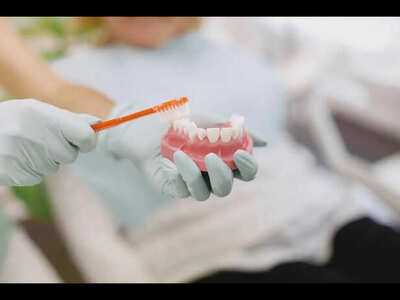
Brushing Too Hard
 Gentle brushing helps protect tooth enamel and supports better gum health and oral hygiene.
Many people think harder brushing leads to cleaner teeth. This is one of the most common dental mistakes. Brushing too hard can wear down enamel and irritate the gums. Healthy teeth need strong enamel for protection. When enamel becomes thin, teeth may become sensitive to hot and cold foods. Aggressive brushing can also affect gum health by causing the gums to pull away from the teeth. Good oral hygiene is not about brushing harder. It is about brushing correctly. Dentists recommend using a soft toothbrush and gentle movements. This simple dental care habit can protect healthy teeth and improve oral health.
Skipping Flossing
 Flossing removes plaque and food particles from areas your toothbrush cannot reach.
Flossing is an important part of oral hygiene. Unfortunately, many people skip it. A toothbrush cannot reach every area between teeth. Food particles and plaque often stay trapped in these spaces. Over time, this can lead to tooth decay and poor gum health. Daily flossing removes plaque and supports cavity prevention. It also helps reduce bad breath and improves overall dental health. People who floss regularly often have healthier gums and fewer dental problems.
Drinking Acidic Beverages
 Frequent consumption of acidic drinks may increase tooth sensitivity and affect healthy teeth.
Many popular drinks can affect healthy teeth. Soft drinks, sports drinks, energy drinks, and fruit juices often contain acids. These acids can weaken enamel and increase the risk of tooth decay. Frequent exposure may also cause tooth sensitivity. Even drinks that seem healthy can affect oral health when consumed too often. Dentists recommend drinking water after acidic beverages. Water helps wash away acids and supports better oral hygiene. Using a straw may also reduce contact with teeth.
Snacking All Day
Frequent snacking can affect dental health. Every time you eat, bacteria in your mouth produce acids. These acids attack enamel and increase the risk of tooth decay. Constant snacking means your teeth spend more time exposed to acid. Choosing healthy snacks and limiting sugary foods can improve oral health. Giving teeth time to recover between meals also supports cavity prevention.
Using Your Teeth as Tools
Some people use their teeth to open packages or bite hard objects. This habit can damage healthy teeth. Teeth are designed for chewing food, not opening containers. Using teeth as tools may lead to cracks, chips, and other dental problems. Avoiding this common dental mistake can help protect dental health and reduce the need for future dental care.
Overusing Teeth Whitening Products
Many people want a brighter smile. Whitening products can help, but overusing them may cause problems. Too much whitening may increase tooth sensitivity and irritate the gums. Healthy teeth can become uncomfortable if whitening products are used too often. Dentists recommend following instructions carefully and seeking professional advice when needed. A balanced approach helps maintain both appearance and dental health.
Missing Dental Checkups
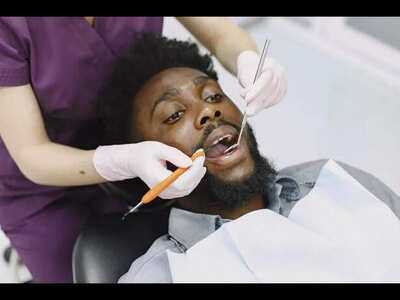 Routine dental care and professional teeth cleaning can help detect problems before they become serious.
Regular dental visits are important for oral hygiene. Many people only visit a dentist when they have pain. Small dental problems are easier to treat when found early. Regular checkups help detect tooth decay, gum disease, and other oral health concerns. Professional teeth cleaning removes plaque that brushing and flossing may miss. These visits play an important role in dental care and cavity prevention.
Common Dental Mistakes Most People Ignore
Many people work hard to maintain good oral hygiene, but common dental mistakes can still affect dental health. Some people brush too hard, while others skip flossing or delay dental care visits. These dental mistakes may seem small, but they can increase the risk of tooth decay and poor gum health over time. Good oral hygiene involves more than brushing twice a day. Healthy teeth require regular flossing, proper teeth cleaning, and consistent dental care. When oral hygiene habits are ignored, plaque can build up and affect oral health. This may lead to tooth decay, gum problems, and expensive dental care treatments. Understanding these dental mistakes is important for cavity prevention. Small improvements in oral hygiene can support better dental health, stronger gum health, and healthier teeth.
Better Habits for Healthy Teeth
Healthy teeth need daily attention and good oral hygiene habits. A strong dental care routine can improve dental health and support long-term oral health. Brushing gently, flossing every day, and scheduling regular teeth cleaning appointments are simple ways to protect healthy teeth. Good oral hygiene also plays an important role in cavity prevention. Daily flossing removes plaque, while regular teeth cleaning helps maintain gum health. These habits reduce the risk of tooth decay and support better dental health. Dentists agree that healthy teeth are built through consistent oral hygiene and smart dental care choices. Avoiding common dental mistakes can improve oral health and protect gum health for years. By focusing on oral hygiene, cavity prevention, and regular teeth cleaning, you can enjoy healthy teeth, stronger dental health, and a healthier smile.
Brushing Too Hard
Many people think harder brushing leads to cleaner teeth. This is one of the most common dental mistakes. Brushing too hard can wear down enamel and irritate the gums. Healthy teeth need strong enamel for protection. When enamel becomes thin, teeth may become sensitive to hot and cold foods. Aggressive brushing can also affect gum health by causing the gums to pull away from the teeth. Good oral hygiene is not about brushing harder. It is about brushing correctly. Dentists recommend using a soft toothbrush and gentle movements. This simple dental care habit can protect healthy teeth and improve oral health.
Skipping Flossing
Flossing is an important part of oral hygiene. Unfortunately, many people skip it. A toothbrush cannot reach every area between teeth. Food particles and plaque often stay trapped in these spaces. Over time, this can lead to tooth decay and poor gum health. Daily flossing removes plaque and supports cavity prevention. It also helps reduce bad breath and improves overall dental health. People who floss regularly often have healthier gums and fewer dental problems.
Drinking Acidic Beverages
Many popular drinks can affect healthy teeth. Soft drinks, sports drinks, energy drinks, and fruit juices often contain acids. These acids can weaken enamel and increase the risk of tooth decay. Frequent exposure may also cause tooth sensitivity. Even drinks that seem healthy can affect oral health when consumed too often. Dentists recommend drinking water after acidic beverages. Water helps wash away acids and supports better oral hygiene. Using a straw may also reduce contact with teeth.
Snacking All Day
Frequent snacking can affect dental health. Every time you eat, bacteria in your mouth produce acids. These acids attack enamel and increase the risk of tooth decay. Constant snacking means your teeth spend more time exposed to acid. Choosing healthy snacks and limiting sugary foods can improve oral health. Giving teeth time to recover between meals also supports cavity prevention.
Using Your Teeth as Tools
Some people use their teeth to open packages or bite hard objects. This habit can damage healthy teeth. Teeth are designed for chewing food, not opening containers. Using teeth as tools may lead to cracks, chips, and other dental problems. Avoiding this common dental mistake can help protect dental health and reduce the need for future dental care.
Overusing Teeth Whitening Products
Many people want a brighter smile. Whitening products can help, but overusing them may cause problems. Too much whitening may increase tooth sensitivity and irritate the gums. Healthy teeth can become uncomfortable if whitening products are used too often. Dentists recommend following instructions carefully and seeking professional advice when needed. A balanced approach helps maintain both appearance and dental health.
Missing Dental Checkups
Regular dental visits are important for oral hygiene. Many people only visit a dentist when they have pain. Small dental problems are easier to treat when found early. Regular checkups help detect tooth decay, gum disease, and other oral health concerns. Professional teeth cleaning removes plaque that brushing and flossing may miss. These visits play an important role in dental care and cavity prevention.
Common Dental Mistakes Most People Ignore
Many people work hard to maintain good oral hygiene, but common dental mistakes can still affect dental health. Some people brush too hard, while others skip flossing or delay dental care visits. These dental mistakes may seem small, but they can increase the risk of tooth decay and poor gum health over time. Good oral hygiene involves more than brushing twice a day. Healthy teeth require regular flossing, proper teeth cleaning, and consistent dental care. When oral hygiene habits are ignored, plaque can build up and affect oral health. This may lead to tooth decay, gum problems, and expensive dental care treatments. Understanding these dental mistakes is important for cavity prevention. Small improvements in oral hygiene can support better dental health, stronger gum health, and healthier teeth.
Better Habits for Healthy Teeth
Healthy teeth need daily attention and good oral hygiene habits. A strong dental care routine can improve dental health and support long-term oral health. Brushing gently, flossing every day, and scheduling regular teeth cleaning appointments are simple ways to protect healthy teeth. Good oral hygiene also plays an important role in cavity prevention. Daily flossing removes plaque, while regular teeth cleaning helps maintain gum health. These habits reduce the risk of tooth decay and support better dental health. Dentists agree that healthy teeth are built through consistent oral hygiene and smart dental care choices. Avoiding common dental mistakes can improve oral health and protect gum health for years. By focusing on oral hygiene, cavity prevention, and regular teeth cleaning, you can enjoy healthy teeth, stronger dental health, and a healthier smile.
Next Story