
Chaitra Navratri 2026 Colours: Nine Sacred Colours of Navratri and Their Spiritual Significance

Chaitra Navratri 2026 colours hold deep spiritual meaning for devotees celebrating the nine-day festival dedicated to Goddess Durga. During this auspicious period, devotees worship the nine divine forms of the Goddess, collectively known as Navadurga. Each day of the festival is linked with a specific colour that symbolises unique energies such as courage, peace, prosperity and devotion.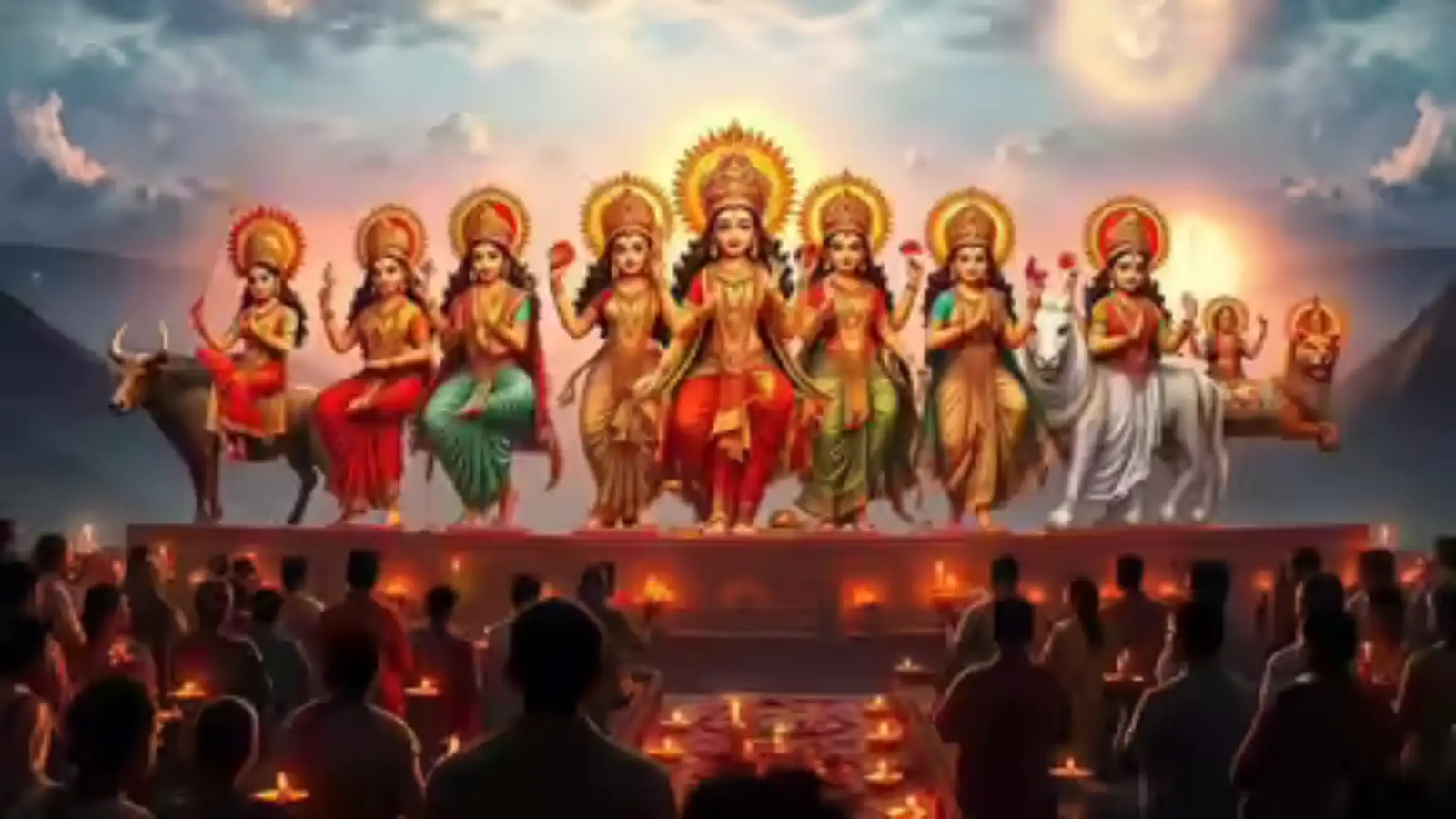
Incorporating these colours in clothing, decorations or daily rituals is believed to invite positive energy, divine blessings and prosperity. Following the traditional colour guide during Navratri helps devotees stay spiritually aligned while honouring the powerful forms of Goddess Durga.
Chaitra Navratri 2026: Nine-Day Colour Guide and Their Meanings
Here is a detailed look at the nine colours associated with each day of Chaitra Navratri and the spiritual significance they carry.
Day 1 – Yellow: Symbol of Joy and Prosperity
The first day of Navratri is dedicated to Goddess Shailputri, the daughter of the mountains and the first form of Durga.
Yellow represents happiness, positivity and prosperity. Wearing yellow on this day is believed to attract good fortune and brighten the spiritual aura of devotees. The colour also reflects optimism and a fresh beginning to the nine-day festival.
Day 2 – Green: Energy of Growth and New Beginnings
The second day honours Goddess Brahmacharini, known for her devotion and spiritual strength.
Green symbolises nature, growth and renewal. It represents hope and a fresh start in life. Devotees often wear green on this day to invite harmony, stability and emotional balance.
Day 3 – Grey: Balance and Inner Calm
The third day is dedicated to Goddess Chandraghanta, the warrior form of Durga known for protecting devotees from negativity.
Grey reflects balance, neutrality and calmness. Wearing this colour signifies composure and stability, reminding devotees to stay grounded and centred during challenging times.
Day 4 – Orange: Courage and Positive Energy
The fourth day celebrates Goddess Kushmanda, the creator of the universe who radiates immense energy.
Orange symbolises vitality, enthusiasm and courage. Wearing this colour is believed to fill devotees with positivity and strength, inspiring confidence and motivation.
Day 5 – White: Peace and Spiritual Purity
The fifth day is devoted to Goddess Skandamata, the motherly form of Durga.
White represents purity, peace and serenity. It encourages calmness and patience. Devotees who wear white on this day seek divine blessings for mental clarity and inner peace.
Day 6 – Red: Power and Divine Strength
The sixth day is dedicated to Goddess Katyayani, the fierce warrior goddess who represents courage and determination.
Red is a powerful colour associated with strength, passion and divine energy. Wearing red on this day symbolises bravery and the ability to overcome obstacles.
Day 7 – Royal Blue: Wisdom and Protection
The seventh day honours Goddess Kaalratri, one of the most powerful and protective forms of Durga.
Royal blue symbolises depth, wisdom and divine protection. Devotees believe that wearing this colour helps shield them from negativity and strengthens their spiritual awareness.
Day 8 – Pink: Love and Compassion
The eighth day celebrates Goddess Mahagauri, who represents purity and kindness.
Pink is associated with love, compassion and warmth. Wearing pink on this day encourages harmony, emotional balance and nurturing relationships.
Day 9 – Purple: Spirituality and Divine Blessings
The final day of Navratri is dedicated to Goddess Siddhidatri, who grants wisdom and spiritual powers.
Purple symbolises spirituality, divine connection and transformation. Wearing this colour is believed to help devotees deepen their spiritual journey and receive the blessings of the Goddess.
Why Following Navratri Colours Is Considered Auspicious
Many devotees believe that aligning with the Chaitra Navratri 2026 colours enhances the spiritual experience of the festival. Each colour resonates with the energy of a particular form of Goddess Durga, helping devotees focus their devotion and invite positivity, prosperity and protection into their lives.
Whether through clothing, decorations or rituals, embracing these colours is a meaningful way to celebrate Navratri and honour the divine feminine energy.
Incorporating these colours in clothing, decorations or daily rituals is believed to invite positive energy, divine blessings and prosperity. Following the traditional colour guide during Navratri helps devotees stay spiritually aligned while honouring the powerful forms of Goddess Durga.
Chaitra Navratri 2026: Nine-Day Colour Guide and Their Meanings
Here is a detailed look at the nine colours associated with each day of Chaitra Navratri and the spiritual significance they carry.
Day 1 – Yellow: Symbol of Joy and Prosperity
The first day of Navratri is dedicated to Goddess Shailputri, the daughter of the mountains and the first form of Durga.
Yellow represents happiness, positivity and prosperity. Wearing yellow on this day is believed to attract good fortune and brighten the spiritual aura of devotees. The colour also reflects optimism and a fresh beginning to the nine-day festival.
Day 2 – Green: Energy of Growth and New Beginnings
The second day honours Goddess Brahmacharini, known for her devotion and spiritual strength.
Green symbolises nature, growth and renewal. It represents hope and a fresh start in life. Devotees often wear green on this day to invite harmony, stability and emotional balance.
Day 3 – Grey: Balance and Inner Calm
The third day is dedicated to Goddess Chandraghanta, the warrior form of Durga known for protecting devotees from negativity.
Grey reflects balance, neutrality and calmness. Wearing this colour signifies composure and stability, reminding devotees to stay grounded and centred during challenging times.
Day 4 – Orange: Courage and Positive Energy
The fourth day celebrates Goddess Kushmanda, the creator of the universe who radiates immense energy.
Orange symbolises vitality, enthusiasm and courage. Wearing this colour is believed to fill devotees with positivity and strength, inspiring confidence and motivation.
Day 5 – White: Peace and Spiritual Purity
The fifth day is devoted to Goddess Skandamata, the motherly form of Durga.
White represents purity, peace and serenity. It encourages calmness and patience. Devotees who wear white on this day seek divine blessings for mental clarity and inner peace.
Day 6 – Red: Power and Divine Strength
The sixth day is dedicated to Goddess Katyayani, the fierce warrior goddess who represents courage and determination.
You may also like
- Quote of the day by Buddha: "Health is the greatest gift, contentment the greatest wealth"
- Quote of the day from the Bhagavad Gita: Among all kinds of killers, time is the ultimate because time kills everything
- Quote of the day from Mahabharata: A wise man rejoices in what he has, not grieves over what he lacks
- Quote of the day from Ramayan: No one is without faults.
- Festival of Womanhood 2026 Celebrates Conscious Womanhood and Women Leaders at Bikaner House
Red is a powerful colour associated with strength, passion and divine energy. Wearing red on this day symbolises bravery and the ability to overcome obstacles.
Day 7 – Royal Blue: Wisdom and Protection
The seventh day honours Goddess Kaalratri, one of the most powerful and protective forms of Durga.
Royal blue symbolises depth, wisdom and divine protection. Devotees believe that wearing this colour helps shield them from negativity and strengthens their spiritual awareness.
Day 8 – Pink: Love and Compassion
The eighth day celebrates Goddess Mahagauri, who represents purity and kindness.
Pink is associated with love, compassion and warmth. Wearing pink on this day encourages harmony, emotional balance and nurturing relationships.
Day 9 – Purple: Spirituality and Divine Blessings
The final day of Navratri is dedicated to Goddess Siddhidatri, who grants wisdom and spiritual powers.
Purple symbolises spirituality, divine connection and transformation. Wearing this colour is believed to help devotees deepen their spiritual journey and receive the blessings of the Goddess.
Why Following Navratri Colours Is Considered Auspicious
Many devotees believe that aligning with the Chaitra Navratri 2026 colours enhances the spiritual experience of the festival. Each colour resonates with the energy of a particular form of Goddess Durga, helping devotees focus their devotion and invite positivity, prosperity and protection into their lives.
Whether through clothing, decorations or rituals, embracing these colours is a meaningful way to celebrate Navratri and honour the divine feminine energy.






More from our partners


Loving Newspoint? Download the app now
