
Chandra Grahan 2026 On August 28: Check Date, Time And Raksha Bandhan Impact

The Chandra Grahan 2026 is set to take place on August 28, the same day as Raksha Bandhan. The coincidence of the two events has led to questions among people about the eclipse timings, its visibility in India and whether traditional Sutak restrictions will apply.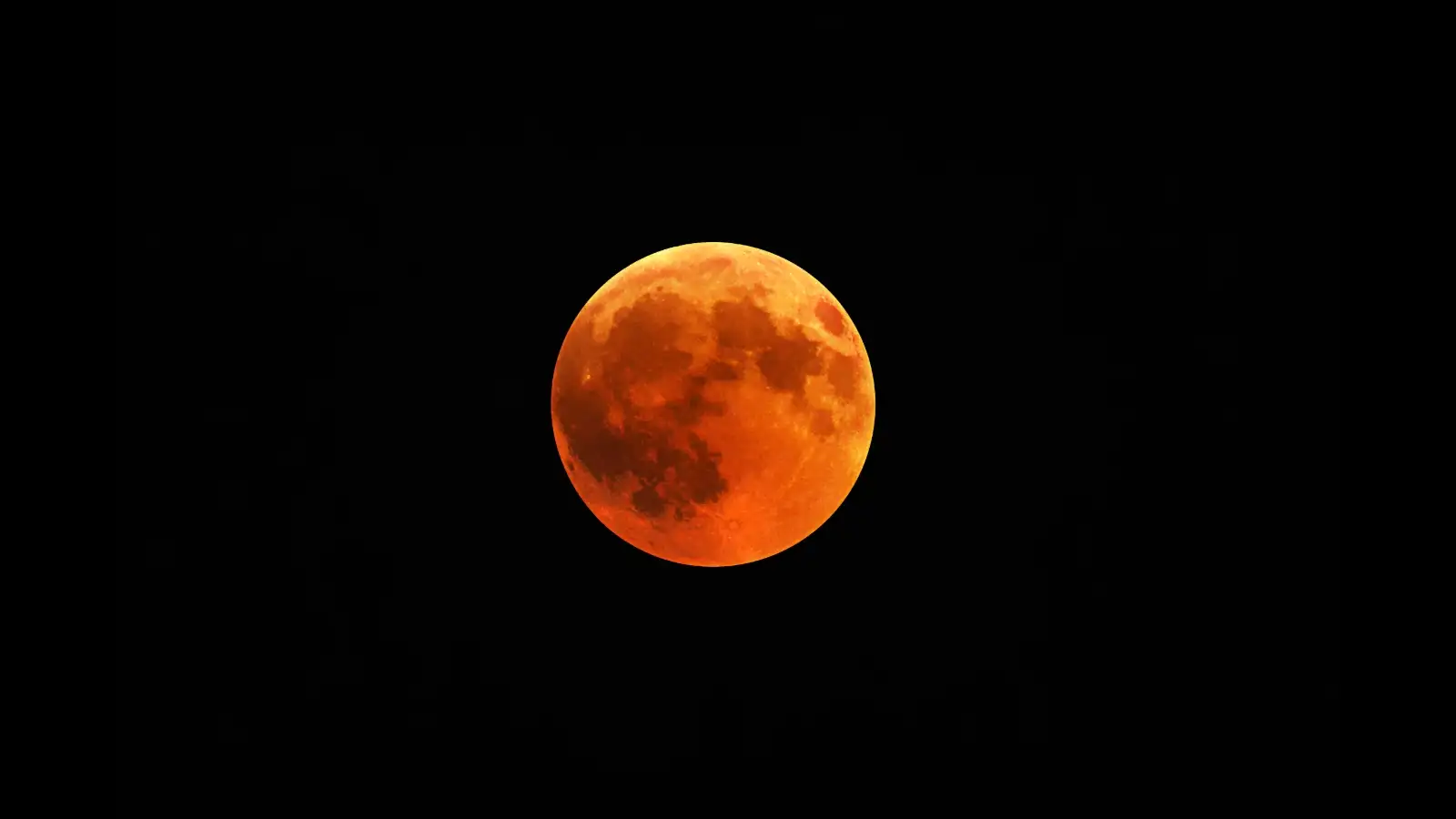
Astronomically, the August 28 event is a partial lunar eclipse. During a lunar eclipse, Earth comes between the Sun and Moon, causing Earth's shadow to fall on the lunar surface.
According to astronomical calculations, the eclipse will have a global duration of around five hours and 36 minutes. However, the complete event will not be visible from every location.
For the Indian region, the penumbral phase begins at around 1:23 AM, while the partial eclipse starts at approximately 2:33 AM. The eclipse reaches its maximum at around 4:12 AM, followed by the end of the partial phase at about 5:51 AM. The penumbral phase continues beyond this, although the Moon sets before the entire penumbral phase is completed.
This means the eclipse is not simply a daytime event in India, as stated in some reports. It occurs during the night and early morning hours, with the Moon visible for part of the event in many locations.
The Moon will be relatively low in the western sky towards the end of the visible portion. In some Indian locations, only part of the eclipse will be visible before moonset. Observers therefore need a clear, unobstructed view towards the west or west-southwest.
The event is also visible from several other parts of the world, with the greatest portion of the eclipse visible in regions where the Moon remains above the horizon for longer.
Because the August 28 lunar eclipse is visible in parts of India, people who follow traditions based on eclipse visibility may take the timing into consideration. It is therefore better to check the local Panchang for the specific city rather than applying one timing across the entire country.
This means the traditional Rakhi ceremony timing comes after the early-morning visible portion of the lunar eclipse in Delhi. However, families following specific religious customs should consult their local Panchang for the appropriate timing and any eclipse-related restrictions.
Since Raksha Bandhan also falls on August 28, those following traditional eclipse-related practices should check the Panchang for their location. The festival's Rakhi ceremony timing also varies by city, so local timings should be preferred over a single nationwide schedule.
Astronomically, the August 28 event is a partial lunar eclipse. During a lunar eclipse, Earth comes between the Sun and Moon, causing Earth's shadow to fall on the lunar surface.
According to astronomical calculations, the eclipse will have a global duration of around five hours and 36 minutes. However, the complete event will not be visible from every location.
Chandra Grahan 2026: Date And Time In India
The lunar eclipse on August 28, 2026, will begin during the early hours in India. The timings can vary slightly depending on the location.For the Indian region, the penumbral phase begins at around 1:23 AM, while the partial eclipse starts at approximately 2:33 AM. The eclipse reaches its maximum at around 4:12 AM, followed by the end of the partial phase at about 5:51 AM. The penumbral phase continues beyond this, although the Moon sets before the entire penumbral phase is completed.
This means the eclipse is not simply a daytime event in India, as stated in some reports. It occurs during the night and early morning hours, with the Moon visible for part of the event in many locations.
Will Chandra Grahan Be Visible In India?
Yes, the August 28 lunar eclipse will be visible from parts of India, although the extent of visibility depends on the location.The Moon will be relatively low in the western sky towards the end of the visible portion. In some Indian locations, only part of the eclipse will be visible before moonset. Observers therefore need a clear, unobstructed view towards the west or west-southwest.
The event is also visible from several other parts of the world, with the greatest portion of the eclipse visible in regions where the Moon remains above the horizon for longer.
You may also like
- Raksha Bandhan 2026 Auspicious Muhurat: August 28 Free of Bhadra, Check Best Timings to Tie Rakhi
- Lunar Eclipse 2026 on August 28: Check Which 3 Zodiac Signs Will Be Most Impacted
- Raksha Bandhan 2026: Is Tying a Rakhi During Panchak Auspicious, Expert Astrological Clarifications
- Why Does Food Taste Different After Being Offered to God, The Divine Science Behind Naivedya
- Why Do We Swing Laddu Gopal on Janmashtami, Exploring the Mythological and Astrological Significance
What About The Sutak Period?
The Sutak period during Chandra Grahan is primarily a matter of religious tradition rather than an astronomical rule. Different Panchangs and families may follow different practices regarding Sutak and eclipse-related rituals.Because the August 28 lunar eclipse is visible in parts of India, people who follow traditions based on eclipse visibility may take the timing into consideration. It is therefore better to check the local Panchang for the specific city rather than applying one timing across the entire country.
Will Chandra Grahan Affect Raksha Bandhan?
Raksha Bandhan falls on August 28, 2026. For New Delhi, the Raksha Bandhan thread ceremony timing is listed as 5:57 AM to 9:48 AM, with Bhadra ending before sunrise.This means the traditional Rakhi ceremony timing comes after the early-morning visible portion of the lunar eclipse in Delhi. However, families following specific religious customs should consult their local Panchang for the appropriate timing and any eclipse-related restrictions.
What Do People Traditionally Do During Chandra Grahan?
According to traditional Hindu practices, some people observe spiritual activities during a lunar eclipse. These may include:- Chanting mantras or prayers
- Meditation
- Reading religious texts
- Taking a bath after the eclipse
- Donating food or useful items
Chandra Grahan And Raksha Bandhan 2026 : What To Remember
The Chandra Grahan 2026 will be a partial lunar eclipse occurring on August 28. Unlike the claim that it will be completely invisible from India, astronomical data indicates that parts of the eclipse can be observed from India during the early morning, although the Moon's low position near moonset may make viewing difficult in some places.Since Raksha Bandhan also falls on August 28, those following traditional eclipse-related practices should check the Panchang for their location. The festival's Rakhi ceremony timing also varies by city, so local timings should be preferred over a single nationwide schedule.






Loving Newspoint? Download the app now
