
Diwali 2026: Why Do We Celebrate Diwali? Know the History, Significance and Traditions

Diwali 2026 , one of India's most celebrated festivals, will be observed on Sunday, November 8. Popularly known as the Festival of Lights or Deepavali, the occasion symbolises the victory of good over evil, light over darkness and knowledge over ignorance. Celebrated with great enthusiasm across the country, Diwali brings families together for prayers, festive feasts, gift exchanges and traditional rituals. From lighting earthen lamps and decorating homes with rangolis to worshipping Goddess Lakshmi and Lord Ganesha, the festival represents prosperity, happiness and fresh beginnings.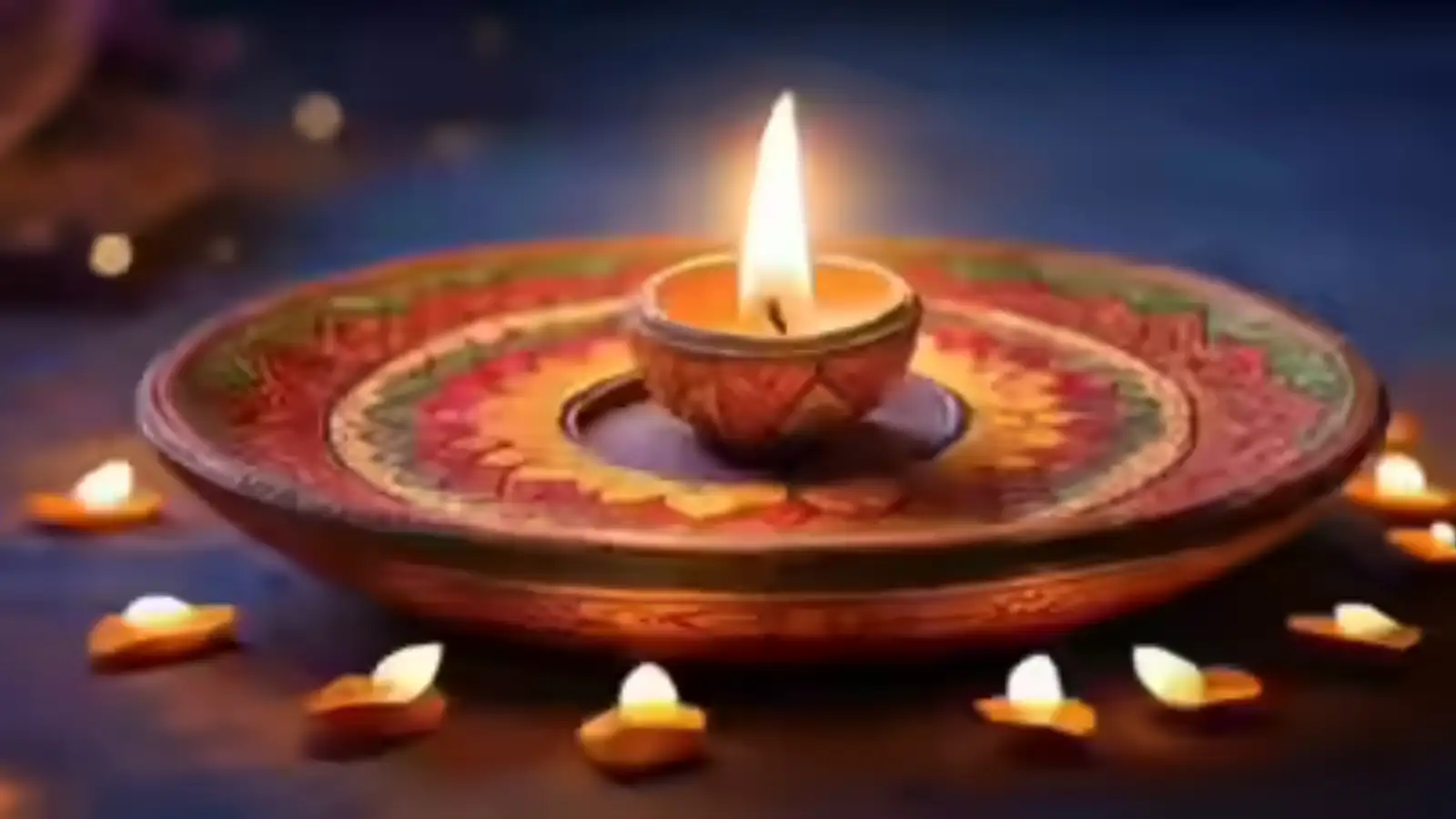
Observed during the Hindu lunar month of Kartika, Diwali holds deep religious, cultural and spiritual importance. While many associate the festival with Lord Rama's return to Ayodhya after defeating Ravana, several other legends and historical events are connected with its celebration. Different religious communities also observe the occasion to remember significant events in their respective traditions.
Before the celebrations begin, people clean their homes, decorate entrances with colourful rangolis and illuminate their surroundings with diyas and decorative lights. Families also prepare traditional delicacies, exchange gifts and visit friends and relatives.
For millions of Hindus, Diwali commemorates Lord Rama's return to Ayodhya after spending 14 years in exile and defeating the demon king Ravana. In several other traditions, the festival celebrates Lord Krishna's victory over Narakasura, who had terrorised people and imprisoned thousands of women.
The occasion is also dedicated to Goddess Lakshmi, who represents wealth, abundance and good fortune. Devotees believe that worshipping her on Diwali brings prosperity and happiness into their homes.
Beyond Hindu traditions, Diwali has special significance for Sikhs and Jains. It marks the release of Guru Hargobind Sahib Ji from imprisonment in Sikh history and commemorates the attainment of nirvana by Lord Mahavira in Jainism.
According to the traditional account, Lord Rama returned to his kingdom, Ayodhya, after completing 14 years of exile. He was accompanied by Goddess Sita and his younger brother Lakshmana. His return followed the battle in which he defeated Ravana, the ruler of Lanka, who had abducted Sita.
To celebrate the return of their beloved prince, the people of Ayodhya are believed to have decorated the city with rows of glowing oil lamps. This tradition is considered one of the origins of lighting diyas during Diwali.
The story represents the victory of truth, courage and righteousness over evil. It also reminds people that goodness ultimately triumphs, even after difficult times.
According to Hindu mythology, Narakasura had become a cruel ruler who troubled people and held thousands of women captive. To end his oppression, Lord Krishna fought and defeated the demon, freeing the prisoners and restoring peace.
This victory is remembered through Naraka Chaturdashi, which is also known as Choti Diwali in many parts of India. The occasion symbolises the destruction of negative forces and the beginning of a new phase filled with hope and positivity.
Goddess Lakshmi is worshipped as the deity of wealth, prosperity, abundance and good fortune. Devotees clean and decorate their homes, light diyas and offer prayers to welcome her blessings.
Lord Ganesha is worshipped alongside Goddess Lakshmi. Known as the remover of obstacles and the deity of wisdom and auspicious beginnings, he is believed to bring success and harmony into people's lives.
Some communities also worship Lord Kuber, who is associated with wealth and material prosperity. These prayers reflect the importance of financial well-being, wisdom and positive beginnings.
The festival commemorates the release of Guru Hargobind Sahib Ji from imprisonment at Gwalior Fort. According to Sikh tradition, he was released along with 52 Hindu kings who were also being held captive.
Guru Hargobind Sahib Ji's role in securing their freedom makes the occasion a symbol of liberty, justice and compassion.
To mark Bandi Chhor Divas, gurdwaras are beautifully illuminated, prayers are organised and devotees come together for community celebrations. The Golden Temple in Amritsar is particularly known for its grand lighting and festive atmosphere during this occasion.
According to Jain beliefs, Lord Mahavira attained liberation at Pavapuri in present-day Bihar. His teachings focused on non-violence, truth, self-discipline and detachment from material desires.
Jain devotees observe the occasion as Nirvana Day and remember his spiritual teachings. The lighting of lamps also carries a deeper meaning, encouraging people to seek inner wisdom and overcome the darkness of ignorance.
These lamps are more than decorative elements. They represent hope, knowledge, positivity and the triumph of good over evil.
During the festival, families decorate their homes with diyas, candles, colourful lights and rangolis. Traditional sweets and savoury dishes are prepared, gifts are exchanged, and people visit their loved ones to celebrate the occasion.
The tradition of lighting lamps also carries a spiritual message: just as a small flame can brighten a dark space, knowledge, kindness and goodness can bring positive changes to people's lives.
The five major observances associated with the Diwali festival are:
Dhanteras: The festivities begin with Dhanteras, which is considered an auspicious occasion for purchasing gold, silver, utensils and other valuable items. People also worship Goddess Lakshmi and Lord Dhanvantari.
Naraka Chaturdashi (Choti Diwali): This day commemorates Lord Krishna's victory over Narakasura and symbolises the removal of evil and negativity.
Lakshmi Puja (Diwali): The main festival is celebrated with prayers to Goddess Lakshmi and Lord Ganesha, lighting diyas, decorating homes and exchanging gifts.
Govardhan Puja: The day is associated with Lord Krishna lifting the Govardhan Hill to protect the people of Vrindavan from heavy rainfall sent by Lord Indra.
Bhai Dooj: The final day celebrates the special relationship between brothers and sisters. Sisters pray for their brothers' happiness and long life.
Together, these five observances reflect themes of prosperity, devotion, protection, gratitude and family relationships.
During the festival, families place diyas at their doorways, windows, balconies, courtyards and prayer rooms. Temples, marketplaces and public spaces are also decorated with rows of lamps and colourful lights.
The tradition has a deeper message beyond its religious significance. It encourages people to remove negativity from their lives, spread kindness and compassion, and bring happiness to those around them.
The warm glow of diyas also creates a sense of togetherness, making the festival a special occasion for families and communities to celebrate.
The festival brings together several religious stories and beliefs. Lord Rama's return to Ayodhya represents the victory of righteousness, while Lord Krishna's defeat of Narakasura symbolises the destruction of evil. The worship of Goddess Lakshmi reflects the desire for prosperity, while the Jain observance of Mahavira's nirvana highlights the importance of spiritual enlightenment.
Despite these different traditions, the underlying message remains the same: goodness, wisdom and compassion can overcome darkness and ignorance.
As Diwali 2026 approaches, the festival offers an opportunity to strengthen family bonds, reconnect with loved ones, express gratitude and welcome new beginnings. Beyond the decorations, prayers and celebrations, its true significance lies in spreading happiness, helping others and bringing more light into everyday life.
Observed during the Hindu lunar month of Kartika, Diwali holds deep religious, cultural and spiritual importance. While many associate the festival with Lord Rama's return to Ayodhya after defeating Ravana, several other legends and historical events are connected with its celebration. Different religious communities also observe the occasion to remember significant events in their respective traditions.
When Is Diwali 2026?
Diwali will be celebrated on Sunday, November 8, 2026. The main festivities take place on Kartik Amavasya, the new moon day of the Hindu month of Kartika. The evening is considered especially auspicious for Lakshmi Puja, when devotees worship Goddess Lakshmi and Lord Ganesha to seek blessings for wealth, wisdom, happiness and prosperity.Before the celebrations begin, people clean their homes, decorate entrances with colourful rangolis and illuminate their surroundings with diyas and decorative lights. Families also prepare traditional delicacies, exchange gifts and visit friends and relatives.
Diwali 2026 Lakshmi Puja Muhurat and Timings
Here are the important timings for Diwali 2026:- Lakshmi Puja: Sunday, November 8
- Lakshmi Puja Muhurat: 05:54 PM to 07:50 PM
- Duration: 1 Hour 56 Minutes
- Pradosh Kaal: 05:31 PM to 08:09 PM
- Vrishabha Kaal: 05:54 PM to 07:50 PM
- Amavasya Tithi Begins: 11:27 AM on November 8, 2026
- Amavasya Tithi Ends: 12:31 PM on November 9, 2026
Why Is Diwali Celebrated in India?
Diwali is celebrated to mark the triumph of righteousness over evil and the arrival of light, hope and positivity. However, the stories behind the festival differ across regions and religious communities.For millions of Hindus, Diwali commemorates Lord Rama's return to Ayodhya after spending 14 years in exile and defeating the demon king Ravana. In several other traditions, the festival celebrates Lord Krishna's victory over Narakasura, who had terrorised people and imprisoned thousands of women.
The occasion is also dedicated to Goddess Lakshmi, who represents wealth, abundance and good fortune. Devotees believe that worshipping her on Diwali brings prosperity and happiness into their homes.
Beyond Hindu traditions, Diwali has special significance for Sikhs and Jains. It marks the release of Guru Hargobind Sahib Ji from imprisonment in Sikh history and commemorates the attainment of nirvana by Lord Mahavira in Jainism.
History and Mythological Significance of Diwali
The festival of Diwali is associated with several ancient stories, religious beliefs and historical events. Here are some of the most widely recognised reasons behind its celebration.1. Lord Rama's Return to Ayodhya
One of the most popular legends connected with Diwali comes from the Hindu epic Ramayana.According to the traditional account, Lord Rama returned to his kingdom, Ayodhya, after completing 14 years of exile. He was accompanied by Goddess Sita and his younger brother Lakshmana. His return followed the battle in which he defeated Ravana, the ruler of Lanka, who had abducted Sita.
To celebrate the return of their beloved prince, the people of Ayodhya are believed to have decorated the city with rows of glowing oil lamps. This tradition is considered one of the origins of lighting diyas during Diwali.
The story represents the victory of truth, courage and righteousness over evil. It also reminds people that goodness ultimately triumphs, even after difficult times.
2. Lord Krishna's Victory Over Narakasura
Another important legend associated with Diwali celebrates Lord Krishna's victory over the demon Narakasura.According to Hindu mythology, Narakasura had become a cruel ruler who troubled people and held thousands of women captive. To end his oppression, Lord Krishna fought and defeated the demon, freeing the prisoners and restoring peace.
This victory is remembered through Naraka Chaturdashi, which is also known as Choti Diwali in many parts of India. The occasion symbolises the destruction of negative forces and the beginning of a new phase filled with hope and positivity.
3. Worship of Goddess Lakshmi and Lord Ganesha
Lakshmi Puja is among the most important religious rituals performed during Diwali.Goddess Lakshmi is worshipped as the deity of wealth, prosperity, abundance and good fortune. Devotees clean and decorate their homes, light diyas and offer prayers to welcome her blessings.
Lord Ganesha is worshipped alongside Goddess Lakshmi. Known as the remover of obstacles and the deity of wisdom and auspicious beginnings, he is believed to bring success and harmony into people's lives.
Some communities also worship Lord Kuber, who is associated with wealth and material prosperity. These prayers reflect the importance of financial well-being, wisdom and positive beginnings.
4. Bandi Chhor Divas in Sikhism
Diwali also coincides with Bandi Chhor Divas, an important occasion in Sikhism.The festival commemorates the release of Guru Hargobind Sahib Ji from imprisonment at Gwalior Fort. According to Sikh tradition, he was released along with 52 Hindu kings who were also being held captive.
Guru Hargobind Sahib Ji's role in securing their freedom makes the occasion a symbol of liberty, justice and compassion.
To mark Bandi Chhor Divas, gurdwaras are beautifully illuminated, prayers are organised and devotees come together for community celebrations. The Golden Temple in Amritsar is particularly known for its grand lighting and festive atmosphere during this occasion.
5. Lord Mahavira's Nirvana in Jainism
For followers of Jainism, Diwali holds a different but equally important spiritual meaning. The occasion marks the nirvana, or liberation, of Lord Mahavira, the 24th Tirthankara.According to Jain beliefs, Lord Mahavira attained liberation at Pavapuri in present-day Bihar. His teachings focused on non-violence, truth, self-discipline and detachment from material desires.
Jain devotees observe the occasion as Nirvana Day and remember his spiritual teachings. The lighting of lamps also carries a deeper meaning, encouraging people to seek inner wisdom and overcome the darkness of ignorance.
What Does the Word Deepavali Mean?
The name Diwali originates from the Sanskrit word Deepavali, which means a row or series of lamps. The term reflects the festival's most recognisable tradition of lighting earthen lamps to illuminate homes, temples and public spaces.These lamps are more than decorative elements. They represent hope, knowledge, positivity and the triumph of good over evil.
During the festival, families decorate their homes with diyas, candles, colourful lights and rangolis. Traditional sweets and savoury dishes are prepared, gifts are exchanged, and people visit their loved ones to celebrate the occasion.
The tradition of lighting lamps also carries a spiritual message: just as a small flame can brighten a dark space, knowledge, kindness and goodness can bring positive changes to people's lives.
Diwali 2026: Five-Day Festival Celebrations
Diwali is not limited to a single day. The celebrations traditionally extend over five days, with each day having its own religious and cultural importance.The five major observances associated with the Diwali festival are:
Dhanteras: The festivities begin with Dhanteras, which is considered an auspicious occasion for purchasing gold, silver, utensils and other valuable items. People also worship Goddess Lakshmi and Lord Dhanvantari.
Naraka Chaturdashi (Choti Diwali): This day commemorates Lord Krishna's victory over Narakasura and symbolises the removal of evil and negativity.
Lakshmi Puja (Diwali): The main festival is celebrated with prayers to Goddess Lakshmi and Lord Ganesha, lighting diyas, decorating homes and exchanging gifts.
Govardhan Puja: The day is associated with Lord Krishna lifting the Govardhan Hill to protect the people of Vrindavan from heavy rainfall sent by Lord Indra.
Bhai Dooj: The final day celebrates the special relationship between brothers and sisters. Sisters pray for their brothers' happiness and long life.
Together, these five observances reflect themes of prosperity, devotion, protection, gratitude and family relationships.
How Is Diwali Celebrated Across Different Parts of India?
Diwali is celebrated throughout India, but the customs and religious traditions vary from one region to another. These differences highlight the country's rich cultural and spiritual diversity.North India
In northern states, Diwali is closely associated with Lord Rama's return to Ayodhya after defeating Ravana. Homes, temples and streets are decorated with colourful lights, rangolis and rows of diyas. Lakshmi Puja, family gatherings, festive meals and fireworks are common parts of the celebrations.South India
In several southern states, Naraka Chaturdashi holds particular importance. The day commemorates Lord Krishna's victory over Narakasura. People traditionally wake up early, take oil baths, wear new clothes and prepare festive dishes to mark the occasion.Western India
In western India, particularly Gujarat and Maharashtra, Diwali is associated with Lakshmi Puja and prayers for prosperity. Business communities traditionally worship their account books and seek blessings for financial success. In Gujarat, the festival is also followed by Bestu Varas, which marks the Gujarati New Year.Eastern India
In West Bengal, Odisha and Assam, Kali Puja is an important part of the Diwali celebrations. Devotees worship Goddess Kali, seeking protection and blessings. Temples and homes are decorated, and special prayers are organised during the occasion.Sikh Communities
Sikhs celebrate Bandi Chhor Divas, remembering Guru Hargobind Sahib Ji's release from imprisonment along with 52 kings. Gurdwaras are illuminated, devotional prayers are offered and community gatherings are organised.Jain Communities
Jains observe Diwali as the nirvana anniversary of Lord Mahavira. Devotees visit temples, offer prayers and reflect on his teachings about non-violence, truth and spiritual liberation.Why Is Lighting Diyas an Important Diwali Tradition?
Lighting diyas is one of the oldest and most meaningful customs associated with Diwali. The small earthen lamps represent the victory of light over darkness and symbolise hope, wisdom, peace and positive energy.During the festival, families place diyas at their doorways, windows, balconies, courtyards and prayer rooms. Temples, marketplaces and public spaces are also decorated with rows of lamps and colourful lights.
You may also like
- Vidur Niti: 4 Fatal Money Mistakes That Can Reduce a King to a Pauper
- Dakshina Kali vs Shmashana Kali: Differences and Must Avoid Cremation Sadhana
- Kali Chaudas 2026: Why Maa Kali Is Worshipped Before Diwali
- Beyond Lakshmi Puja: Why Chopad Pujan Powers Gujarat's New Financial Year
- Key Differences Between Regular Kali Puja and Cremation Ground Kali Sadhana Explained
The tradition has a deeper message beyond its religious significance. It encourages people to remove negativity from their lives, spread kindness and compassion, and bring happiness to those around them.
The warm glow of diyas also creates a sense of togetherness, making the festival a special occasion for families and communities to celebrate.
Why Is Diwali Known as the Festival of Lights?
Diwali is popularly called the Festival of Lights because illumination is central to both its celebrations and spiritual meaning. The lighting of thousands of diyas represents the removal of darkness and the arrival of hope, goodness and knowledge.The festival brings together several religious stories and beliefs. Lord Rama's return to Ayodhya represents the victory of righteousness, while Lord Krishna's defeat of Narakasura symbolises the destruction of evil. The worship of Goddess Lakshmi reflects the desire for prosperity, while the Jain observance of Mahavira's nirvana highlights the importance of spiritual enlightenment.
Despite these different traditions, the underlying message remains the same: goodness, wisdom and compassion can overcome darkness and ignorance.
As Diwali 2026 approaches, the festival offers an opportunity to strengthen family bonds, reconnect with loved ones, express gratitude and welcome new beginnings. Beyond the decorations, prayers and celebrations, its true significance lies in spreading happiness, helping others and bringing more light into everyday life.






Loving Newspoint? Download the app now
