
Mystical Waters of India: Fascinating Legends Behind the Country’s Most Famous Lakes

India’s lakes are not just breathtaking natural wonders; they are also treasure troves of myths and folklore. Long before science explained how lakes were formed, communities created captivating stories to understand the landscapes around them. These legends , filled with gods, sages, miracles, and epic battles, transformed ordinary water bodies into sacred destinations and cultural landmarks. Here are some of India’s most remarkable lakes and the unforgettable tales linked to their origins.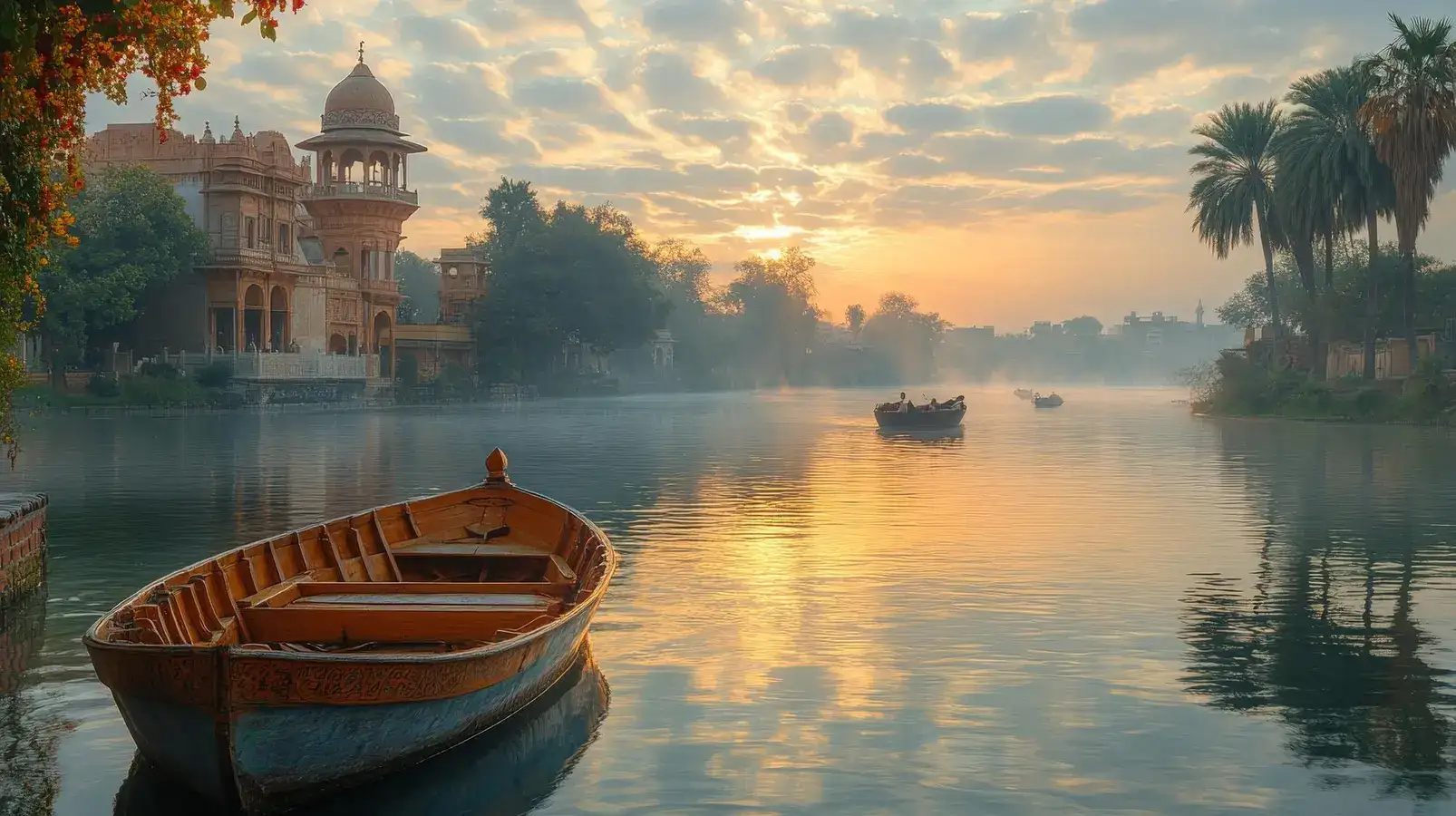
Pushkar Lake, Rajasthan: A Sacred Lotus Miracle
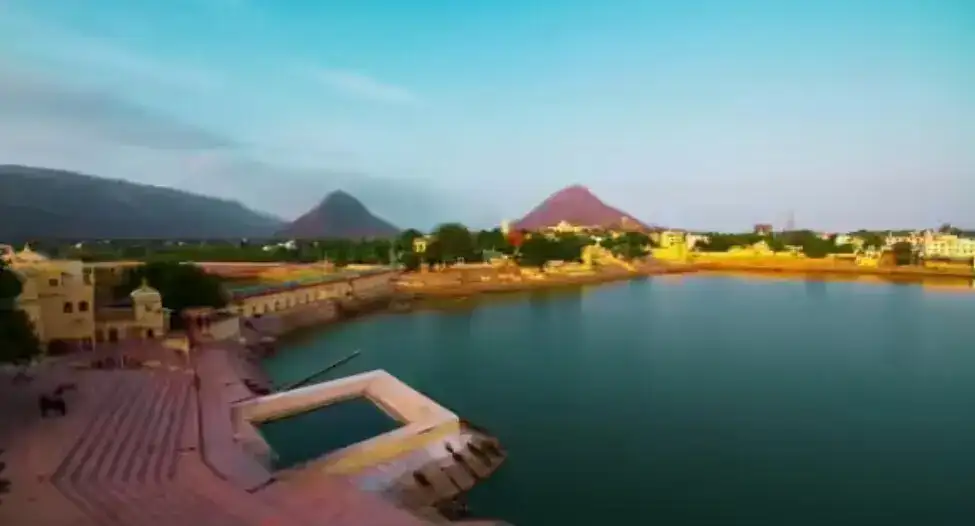
Among India’s holiest lakes, Pushkar Lake is deeply connected to Lord Brahma. According to legend, Brahma was searching for a suitable location to perform a sacred ritual when a lotus flower slipped from his hand. The spot where the flower touched the earth instantly filled with water, creating the lake. Over time, the town of Pushkar grew around it, becoming one of Hinduism’s most revered pilgrimage centres. Even today, devotees gather at its 52 ghats, believing the waters can purify the soul.
Nakki Lake, Rajasthan: Carved by Divine Fingernails
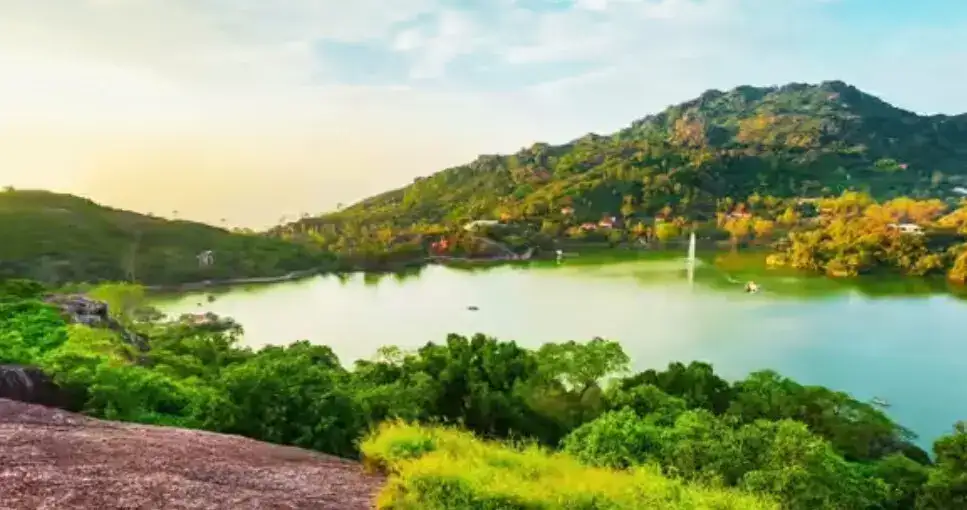
Set amid the scenic hills of Mount Abu, Nakki Lake has one of the most unusual origin stories in Indian folklore. Legend says the gods dug the lake using their fingernails while seeking refuge from a powerful demon. Another popular tale speaks of a brave local hero who excavated the lake with his nails to win the hand of a princess. The lake’s name is believed to come from the word nakh, meaning nail, keeping the ancient story alive through generations.
Rewalsar Lake, Himachal Pradesh: The Lake That Rose from Flames
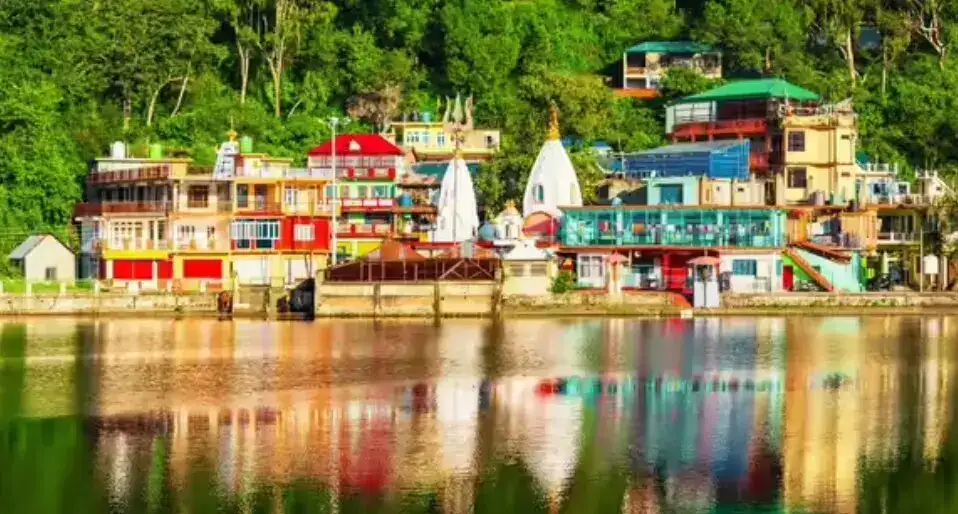
Rewalsar Lake is a place of immense spiritual significance for Hindus, Buddhists, and Sikhs alike. The most celebrated legend revolves around Guru Padmasambhava, the revered Buddhist master who helped spread Buddhism to Tibet. Tradition says a local ruler ordered him to be burned alive, and a huge pyre was set ablaze. However, when the flames eventually died down, a serene lake appeared in place of the fire. At its centre sat Padmasambhava, unharmed, on a blooming lotus, turning the site into a symbol of faith and divine protection.
Parashar Lake, Himachal Pradesh: A Gift from a Warrior’s Strength
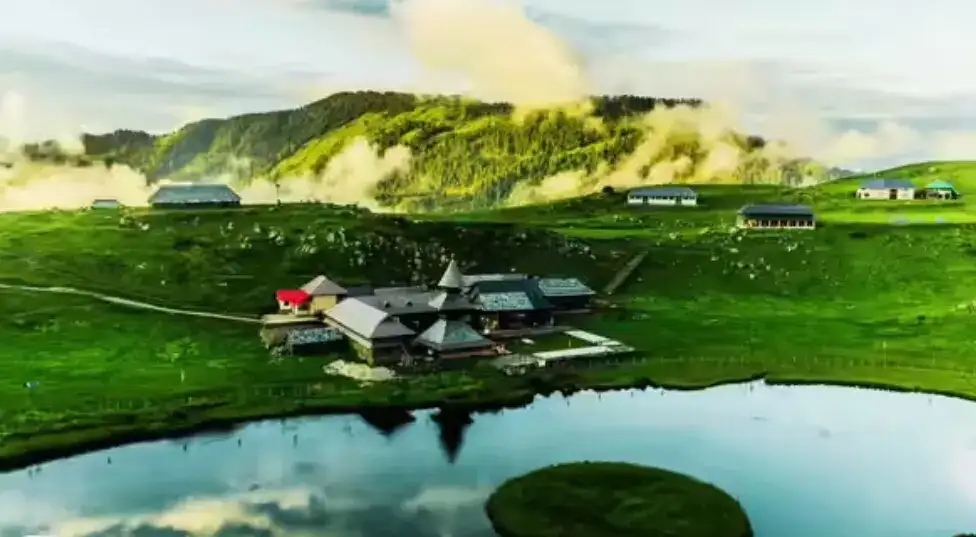
Perched at an altitude of over 2,700 metres, Parashar Lake is famous for its floating island and stunning mountain backdrop. Local folklore links its creation to Bhima, one of the mighty Pandava brothers from the Mahabharata. It is said that after the Kurukshetra war, Bhima struck the ground with such force that the lake emerged. Another tradition associates the lake with Sage Parashar, who is believed to have meditated in the area, adding a spiritual dimension to its history.
Khecheopalri Lake, Sikkim: The Lake of Wishes
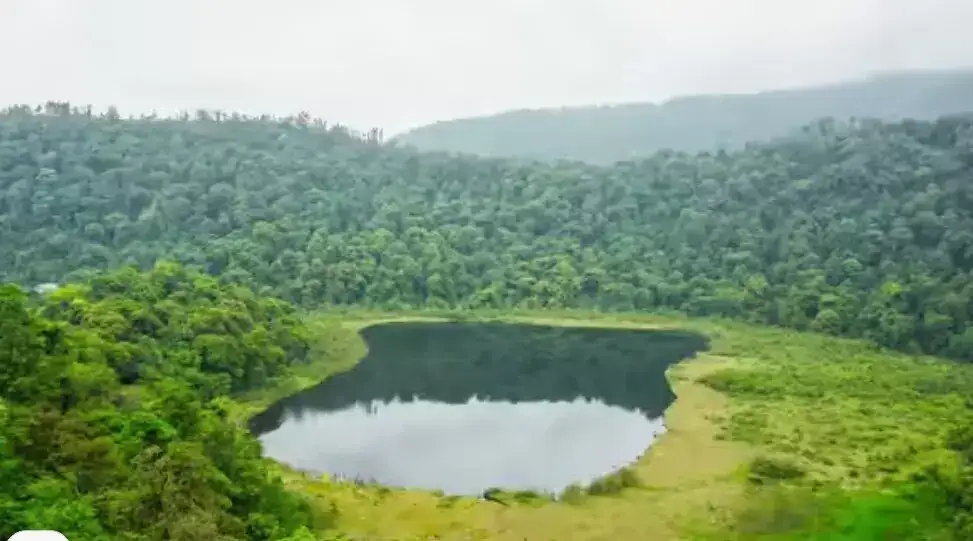
Hidden within the lush forests of West Sikkim, Khecheopalri Lake is regarded as sacred by both Buddhists and the indigenous Lepcha community. It is widely known as a wish-fulfilling lake, where heartfelt prayers are believed to come true. One legend claims the site was blessed by the footprint of the goddess Tara, making it holy. Another enchanting tale says that birds carefully remove every leaf that falls onto the lake’s surface, ensuring its waters remain pure and untouched.
Lonar Lake, Maharashtra: Where Myth Meets Science
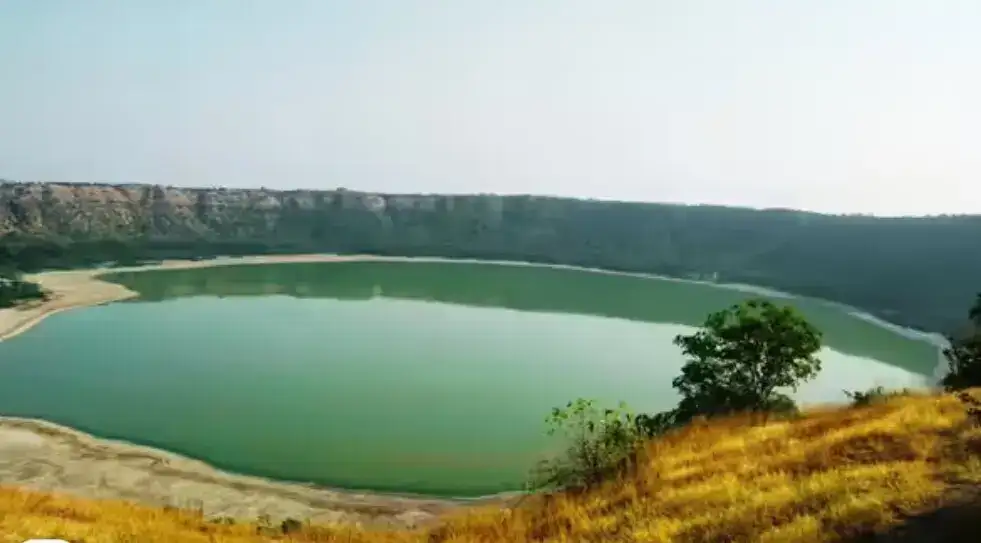
Lonar Lake stands apart because it boasts two fascinating explanations for its creation. Scientists believe it was formed around 50,000 years ago when a meteorite struck the Deccan Plateau, creating one of the world’s few large basaltic impact craters. Local mythology, however, tells a different story. According to legend, Lord Vishnu defeated the demon Lonasura at this very spot, and the force of the battle created the enormous crater that later filled with water. Together, these scientific and mythological narratives make Lonar Lake one of India’s most intriguing natural wonders.
More Than Just Lakes
These legendary lakes highlight the deep connection between nature, faith, and storytelling in India. Whether shaped by divine intervention, heroic deeds, or celestial events, each lake carries a narrative that has been passed down for generations. Beyond their scenic beauty, these water bodies continue to inspire devotion, curiosity, and wonder, proving that sometimes the stories surrounding a place can be just as captivating as the destination itself.
Pushkar Lake, Rajasthan: A Sacred Lotus Miracle
Among India’s holiest lakes, Pushkar Lake is deeply connected to Lord Brahma. According to legend, Brahma was searching for a suitable location to perform a sacred ritual when a lotus flower slipped from his hand. The spot where the flower touched the earth instantly filled with water, creating the lake. Over time, the town of Pushkar grew around it, becoming one of Hinduism’s most revered pilgrimage centres. Even today, devotees gather at its 52 ghats, believing the waters can purify the soul.
Nakki Lake, Rajasthan: Carved by Divine Fingernails
Set amid the scenic hills of Mount Abu, Nakki Lake has one of the most unusual origin stories in Indian folklore. Legend says the gods dug the lake using their fingernails while seeking refuge from a powerful demon. Another popular tale speaks of a brave local hero who excavated the lake with his nails to win the hand of a princess. The lake’s name is believed to come from the word nakh, meaning nail, keeping the ancient story alive through generations.
Rewalsar Lake, Himachal Pradesh: The Lake That Rose from Flames
Rewalsar Lake is a place of immense spiritual significance for Hindus, Buddhists, and Sikhs alike. The most celebrated legend revolves around Guru Padmasambhava, the revered Buddhist master who helped spread Buddhism to Tibet. Tradition says a local ruler ordered him to be burned alive, and a huge pyre was set ablaze. However, when the flames eventually died down, a serene lake appeared in place of the fire. At its centre sat Padmasambhava, unharmed, on a blooming lotus, turning the site into a symbol of faith and divine protection.
Parashar Lake, Himachal Pradesh: A Gift from a Warrior’s Strength
Perched at an altitude of over 2,700 metres, Parashar Lake is famous for its floating island and stunning mountain backdrop. Local folklore links its creation to Bhima, one of the mighty Pandava brothers from the Mahabharata. It is said that after the Kurukshetra war, Bhima struck the ground with such force that the lake emerged. Another tradition associates the lake with Sage Parashar, who is believed to have meditated in the area, adding a spiritual dimension to its history.
Khecheopalri Lake, Sikkim: The Lake of Wishes
Hidden within the lush forests of West Sikkim, Khecheopalri Lake is regarded as sacred by both Buddhists and the indigenous Lepcha community. It is widely known as a wish-fulfilling lake, where heartfelt prayers are believed to come true. One legend claims the site was blessed by the footprint of the goddess Tara, making it holy. Another enchanting tale says that birds carefully remove every leaf that falls onto the lake’s surface, ensuring its waters remain pure and untouched.
Lonar Lake, Maharashtra: Where Myth Meets Science
Lonar Lake stands apart because it boasts two fascinating explanations for its creation. Scientists believe it was formed around 50,000 years ago when a meteorite struck the Deccan Plateau, creating one of the world’s few large basaltic impact craters. Local mythology, however, tells a different story. According to legend, Lord Vishnu defeated the demon Lonasura at this very spot, and the force of the battle created the enormous crater that later filled with water. Together, these scientific and mythological narratives make Lonar Lake one of India’s most intriguing natural wonders.
More Than Just Lakes
These legendary lakes highlight the deep connection between nature, faith, and storytelling in India. Whether shaped by divine intervention, heroic deeds, or celestial events, each lake carries a narrative that has been passed down for generations. Beyond their scenic beauty, these water bodies continue to inspire devotion, curiosity, and wonder, proving that sometimes the stories surrounding a place can be just as captivating as the destination itself. Next Story