
Ganesh Chaturthi 2026: Date, Puja Muhurat, Sthapana Vidhi, Visarjan & Complete Guide

Ganesh Chaturthi 2026 will be celebrated on Monday, September 14, marking one of the most important Hindu festivals dedicated to Lord Ganesha. Observed during the Shukla Paksha Chaturthi of the Hindu month of Bhadrapada, the festival is associated with wisdom, prosperity, auspicious beginnings and the removal of obstacles. From bringing Ganpati Bappa home to performing Sthapana, offering Modaks and eventually carrying out Visarjan, the festival is celebrated with devotion across India and by Indian communities worldwide.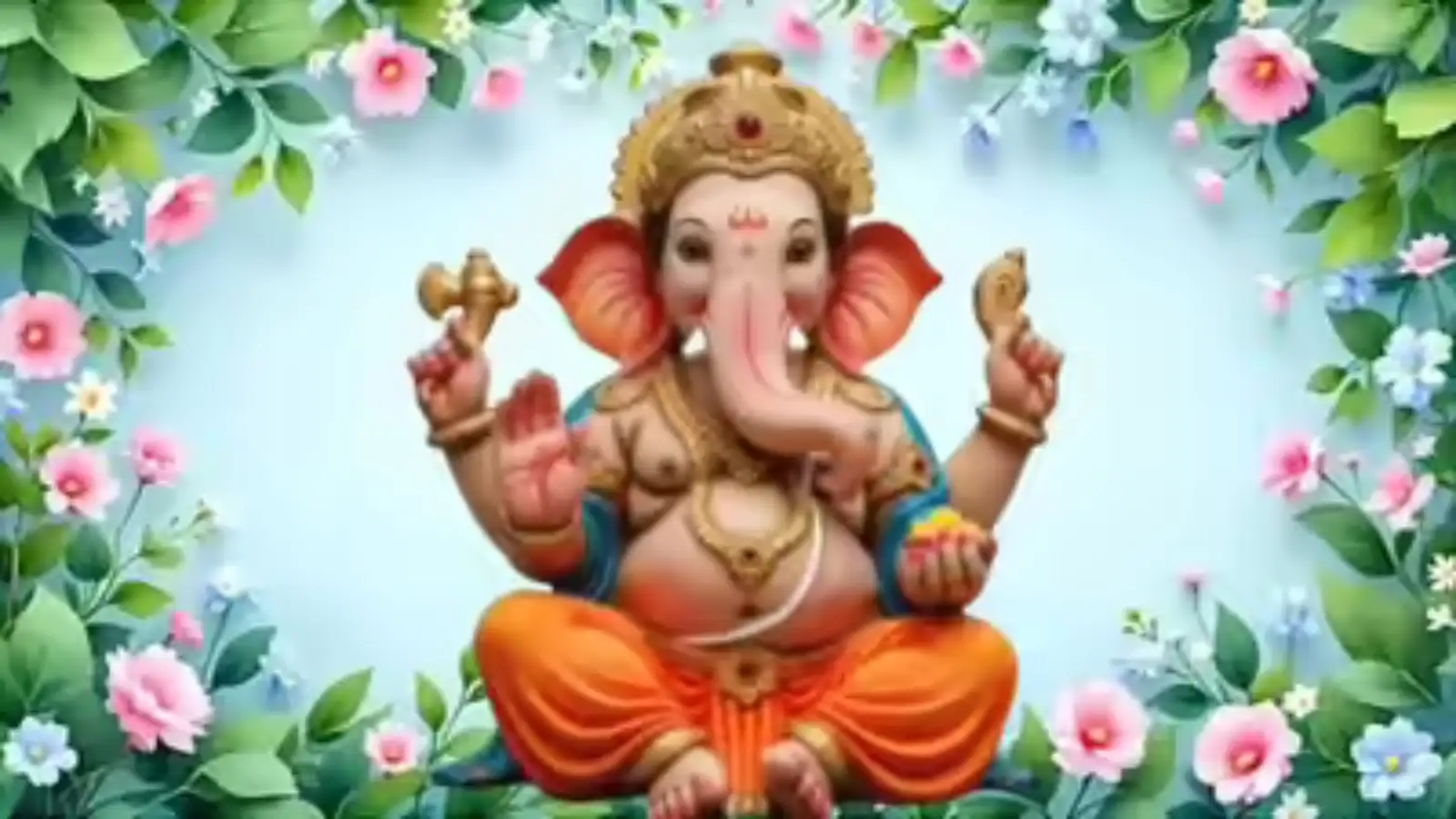
The Chaturthi Tithi will begin at 7:06 AM on September 14 and end at 7:44 AM on September 15, 2026. However, the exact Puja Muhurat depends on the location, so devotees should refer to their local Panchang before planning the main ceremony.
The Madhyahna period is traditionally considered particularly suitable for Ganesh Puja. Since sunrise and other astronomical calculations differ between cities, the Puja Muhurat can vary significantly by location.
For Ganesh Sthapana and Puja
The most important aspect of the ceremony is devotion. Families should follow rituals they understand and traditionally observe rather than performing elaborate procedures without proper knowledge.
Lord Ganesha is also popularly known as Vighnaharta, meaning the remover of obstacles. This is why devotees traditionally invoke him before starting important ceremonies, journeys, projects and other significant activities.
Beyond its religious significance, Ganesh Chaturthi has become an important cultural celebration. Families install idols at home, while communities create decorated pandals and organise devotional programmes, cultural events, music and social gatherings.
The large-scale public celebration of Ganeshotsav became particularly prominent in Maharashtra and has since grown into a major festival observed in numerous parts of India and around the world.
The practice represents more than simply seeking success. Devotees also seek Ganesha's wisdom and discernment so they can make better decisions and overcome difficulties with clarity.
This association with intellect and auspicious beginnings makes Ganesha an important part of the opening prayers of many Hindu ceremonies.
Its importance comes from traditional religious stories and long-standing practices connected with Lord Ganesha. For many households, offering Durva is considered an essential part of the Ganesh Puja ceremony and represents devotion and reverence.
Modaks are traditionally prepared as an offering for Lord Ganesha and are closely associated with Ganpati celebrations. They are popularly linked with sweetness, fulfilment and spiritual knowledge.
Different regions have their own versions of the sweet. Some are steamed, while others are fried, with coconut and jaggery being among the most popular fillings.
Devotees may observe Ganesh Chaturthi for:
Therefore, families do not necessarily have to keep the idol for all ten days. The Visarjan date depends on the tradition and duration followed by the household.
However, households observing shorter periods can immerse the idol earlier according to their family tradition and the applicable Panchang timings.
The immersion symbolises the conclusion of the period of worship and the return of the deity. Devotees traditionally accompany the idol with prayers and chants such as “Ganpati Bappa Morya.”
Ganesh Chaturthi 2026 will begin on September 14, with devotees across India preparing to welcome Lord Ganesha with prayers, decorations and traditional offerings. Whether the idol is kept for one and a half days or the full ten-day period, the festival remains centred on faith, wisdom and auspicious beginnings.
As families prepare for Sthapana and later Visarjan, checking the local Panchang for exact Muhurat timings and following established family traditions can help ensure a smooth and meaningful celebration.
The Chaturthi Tithi will begin at 7:06 AM on September 14 and end at 7:44 AM on September 15, 2026. However, the exact Puja Muhurat depends on the location, so devotees should refer to their local Panchang before planning the main ceremony.
Ganesh Chaturthi 2026 Date and Key Timings
Here are the important dates and timings to keep in mind:| Festival Detail | Date/Time |
|---|---|
| Ganesh Chaturthi | Monday, September 14, 2026 |
| Chaturthi Tithi Begins | September 14, 7:06 AM |
| Chaturthi Tithi Ends | September 15, 7:44 AM |
| Main Puja Period | Madhyahna |
| Ganesh Visarjan | Friday, September 25, 2026 |
| Anant Chaturdashi | Friday, September 25, 2026 |
Ganesh Chaturthi 2026 Puja Muhurat: City-Wise Timings
Devotees planning Ganesh Sthapana at home should check the Panchang applicable to their city. Approximate 2026 timings include:- New Delhi: 11:02 AM to 1:31 PM
- Noida: 11:02 AM to 1:30 PM
- Mumbai: 11:20 AM to 1:48 PM
- Pune: 11:16 AM to 1:44 PM
- Bengaluru: 11:02 AM to 1:28 PM
- Ahmedabad: 11:21 AM to 1:49 PM
- Jaipur: 11:08 AM to 1:36 PM
- Chennai: 10:51 AM to 1:18 PM
- Kolkata: 10:18 AM to 12:46 PM
Ganesh Chaturthi 2026 Puja Samagri: Complete List
Having all the necessary items ready beforehand can make the Sthapana ceremony smoother and more organised.For Ganesh Sthapana and Puja
- Lord Ganesha idol
- Wooden chowki
- Red or yellow cloth
- Kalash
- Coconut
- Mango leaves
- Roli and Kumkum
- Turmeric
- Akshat (uncooked rice)
- Sandalwood
- Flowers and garlands
- Durva grass
- Incense sticks
- Diya
- Oil or ghee
- Camphor
- Cotton wicks
- Modak
- Laddoo
- Fruits
- Coconut
- Dry fruits
- Panchamrit
- Traditional sweets or homemade offerings
Ganesh Sthapana Vidhi 2026: How To Bring Ganpati Bappa Home
Ganesh Sthapana is the ritual of installing Lord Ganesha's idol in the designated place of worship. If you are welcoming Ganpati Bappa home this year, the puja area should ideally be prepared before the chosen auspicious time.1. Clean and Decorate the Puja Space
Begin by thoroughly cleaning the area where the idol will be installed. You can decorate the space with flowers, rangoli and traditional ornaments according to your preference.2. Prepare the Chowki
Cover a clean and stable wooden chowki with a red or yellow cloth. Keep the required puja materials within easy reach so that the ceremony can proceed without interruptions.3. Welcome Ganpati Bappa
Bring the idol into your home respectfully. Many families have their own traditional ways of welcoming Lord Ganesha, so you can follow your established household practice.4. Place the Ganesha Idol
Carefully position the idol on the prepared chowki. The direction and placement of the idol may differ according to family customs, so follow the tradition observed in your household.5. Perform the Sthapana Ritual
Begin with prayers and Sankalp. Families following a detailed ritual may perform Pran Pratishtha according to their customary procedure or with guidance from a priest.6. Make Traditional Offerings
Offer Durva, flowers, sandalwood, Kumkum, Akshat and other customary puja items to Lord Ganesha.7. Offer Naivedya
Place Modaks, fruits, sweets and other prepared offerings before the deity as Naivedya.8. Chant Ganesha Mantras
Recite traditional Ganesha mantras, prayers or stotras according to your family's religious practice.9. Perform Ganesh Aarti
Complete the main worship with Aarti and prayers for wisdom, prosperity, happiness and the well-being of the household.The most important aspect of the ceremony is devotion. Families should follow rituals they understand and traditionally observe rather than performing elaborate procedures without proper knowledge.
Why Is Ganesh Chaturthi Celebrated?
Ganesh Chaturthi is traditionally regarded as the celebration of Lord Ganesha's birth. In Hindu tradition, Ganesha is revered as the deity associated with wisdom, intellect, prosperity, good fortune and auspicious beginnings.Lord Ganesha is also popularly known as Vighnaharta, meaning the remover of obstacles. This is why devotees traditionally invoke him before starting important ceremonies, journeys, projects and other significant activities.
Beyond its religious significance, Ganesh Chaturthi has become an important cultural celebration. Families install idols at home, while communities create decorated pandals and organise devotional programmes, cultural events, music and social gatherings.
The large-scale public celebration of Ganeshotsav became particularly prominent in Maharashtra and has since grown into a major festival observed in numerous parts of India and around the world.
Why Is Lord Ganesha Worshipped First?
Lord Ganesha is traditionally worshipped before other deities during many Hindu rituals because he is regarded as the remover of obstacles.The practice represents more than simply seeking success. Devotees also seek Ganesha's wisdom and discernment so they can make better decisions and overcome difficulties with clarity.
This association with intellect and auspicious beginnings makes Ganesha an important part of the opening prayers of many Hindu ceremonies.
Why Is Durva Grass Offered to Lord Ganesha?
Durva grass is one of the most traditional offerings associated with Ganesh Puja. Devotees generally offer small bunches of Durva during the worship ritual.Its importance comes from traditional religious stories and long-standing practices connected with Lord Ganesha. For many households, offering Durva is considered an essential part of the Ganesh Puja ceremony and represents devotion and reverence.
Why Are Modaks Offered to Lord Ganesha?
When people think of Ganesh Chaturthi, Modak is often one of the first things that comes to mind.Modaks are traditionally prepared as an offering for Lord Ganesha and are closely associated with Ganpati celebrations. They are popularly linked with sweetness, fulfilment and spiritual knowledge.
Different regions have their own versions of the sweet. Some are steamed, while others are fried, with coconut and jaggery being among the most popular fillings.
How Many Days Is Ganesh Chaturthi Celebrated?
There is no single mandatory duration for keeping a Ganesha idol at home. The period varies according to family, regional and community traditions.Devotees may observe Ganesh Chaturthi for:
- 1.5 days
- 3 days
- 5 days
- 7 days
- 10 days
Therefore, families do not necessarily have to keep the idol for all ten days. The Visarjan date depends on the tradition and duration followed by the household.
Ganesh Visarjan 2026 Date: When Will Ganpati Visarjan Take Place?
Ganesh Visarjan 2026 will be observed on Friday, September 25, which is also Anant Chaturdashi. It marks the conclusion of the traditional ten-day Ganeshotsav.However, households observing shorter periods can immerse the idol earlier according to their family tradition and the applicable Panchang timings.
The immersion symbolises the conclusion of the period of worship and the return of the deity. Devotees traditionally accompany the idol with prayers and chants such as “Ganpati Bappa Morya.”
Ganesh Visarjan Vidhi: What To Do Before Immersion
Before taking the idol for Visarjan, devotees can complete the final worship in a respectful manner:- Clean the puja area.
- Perform the final Ganesh Puja.
- Offer flowers, Durva and Naivedya.
- Perform Aarti.
- Pray for the family's health, happiness and prosperity.
- Seek forgiveness for any mistakes made during the worship period.
- Carry the idol respectfully to the immersion location.
- Follow the local arrangements and rules for immersion.
Ganesh Chaturthi 2026: 10 Important Rules To Follow
While customs differ from one household to another, a few simple practices can help devotees celebrate the festival respectfully and responsibly.1. Keep the Puja Area Clean
Cleanliness is an important part of preparing a space for worship. Keep the area tidy throughout the celebration.2. Arrange Puja Samagri in Advance
Keep all essential items ready before the Muhurat to avoid unnecessary interruptions during Sthapana.3. Check Your Local Puja Muhurat
Do not rely on a single nationwide timing. The auspicious period can vary depending on the city.4. Respect Family Traditions
Ganesh Puja customs are not identical everywhere. Follow the practices traditionally observed by your family.5. Prepare Traditional Bhog
Modak, fruits, laddoos and other customary offerings can be included in the Naivedya.6. Maintain Daily Worship
If you keep Ganpati Bappa for several days, continue with regular prayers and Aarti according to your household tradition.You may also like
- Ganesh Visarjan 2026 Date and Shubh Muhurat: When and How to Bid Farewell to Bappa on Anant Chaturdashi
- Aja Ekadashi 2026: Want Lord Vishnu and Goddess Lakshmi's Blessings, These 5 Sacred Tulsi Rules Today
- Pitru Paksha 2026 Shopping Rules: Can You Buy New Clothes and Items During Shraddha
- Why Is Akshat Essential in Hindu Rituals: Uncovering the Deep Spiritual Significance of Rice in Puja
- Significance of Offering Sixteen Adornments to Radha Rani on Radha Ashtami: Why Solah Shringar Pleases Kishori Ji
7. Avoid Excessive Plastic Decoration
Choose reusable, natural or biodegradable decorations wherever practical.8. Follow Local Regulations
Public celebrations should comply with applicable rules concerning sound levels, traffic, public gatherings and safety.9. Choose Responsible Visarjan Practices
Use designated immersion facilities or artificial tanks wherever they are available and follow local instructions.10. Keep Devotion at the Centre
Ganesh Chaturthi is ultimately a festival of faith, gratitude, worship and togetherness. Extravagance is not the measure of devotion.Ganesh Chaturthi 2026 will begin on September 14, with devotees across India preparing to welcome Lord Ganesha with prayers, decorations and traditional offerings. Whether the idol is kept for one and a half days or the full ten-day period, the festival remains centred on faith, wisdom and auspicious beginnings.
As families prepare for Sthapana and later Visarjan, checking the local Panchang for exact Muhurat timings and following established family traditions can help ensure a smooth and meaningful celebration.






Loving Newspoint? Download the app now
