
Janmashtami 2026 Date: September 4 or 5? Check Krishna Janmashtami Puja Time, City-Wise Celebrations

Janmashtami 2026 date is Friday, September 4, when devotees across India will celebrate the birth of Lord Krishna. However, many calendars may mention September 5 because the traditional midnight birth ceremony continues past midnight in several cities. So, is Krishna Janmashtami on September 4 or September 5? The main festival date is September 4, while some rituals and celebrations extend into September 5.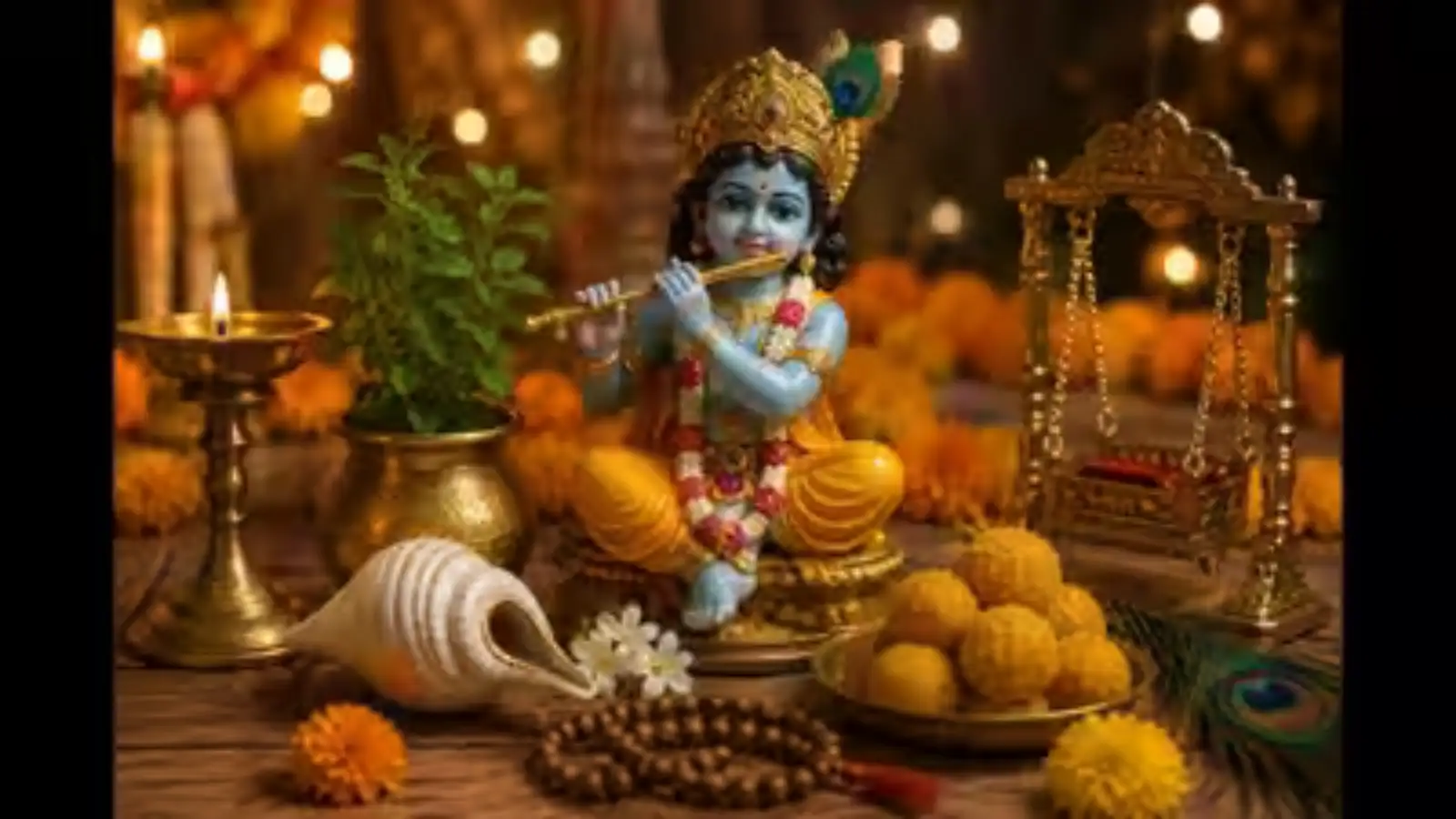
According to the panchang:
In 2026, the Ashtami Tithi continues until just after midnight on September 5. This means devotees may perform the main birth celebration late on September 4, with some rituals continuing into the early hours of September 5.
Therefore, September 5 is not generally a separate Janmashtami date. It is the calendar day into which the midnight celebrations extend.
For Kolkata, the Nishita Puja period is expected to be approximately 11:13 pm to 11:59 pm on September 4. Devotees observing the traditional fast should follow the local panchang for the precise parana, or fast-breaking, time.
The fast-breaking time in Kolkata is expected to fall after 5:20 am on September 5, according to the relevant traditional calculation.
In Mathura, considered Krishna's birthplace, the principal celebrations will take place on the night of September 4, with temples and devotees marking the divine birth at midnight.
In Vrindavan, the celebrations also begin with Janmashtami on September 4. The Banke Bihari Temple has listed Krishna Janmashtami for September 4, followed by Nandotsav on September 5.
This creates a clear distinction between the two dates. September 4 marks Krishna's birth celebration, while September 5 brings the festivities associated with Nandotsav. The temple also observes a special Mangala Aarti on Janmashtami.
The festival has particular significance in Dwarka, one of the most important pilgrimage destinations associated with Lord Krishna. The celebrations centre around the midnight Janm-Utsav, accompanied by prayers, devotional music and aarti.
The September 4 date is also reflected in the 2026 holiday list of Rajkot Municipal Corporation.
Devotees travelling to Dwarka should expect large crowds around the festival and should check the latest temple announcements before planning their visit.
These are local timings, so devotees should use their city's panchang when planning the puja, fast and parana.
Dahi Handi is associated with Krishna's childhood and his playful attempts to break pots filled with curd or butter. It is especially popular in Maharashtra and other parts of western India.
Since it is a related celebration rather than the midnight birth ceremony itself, Dahi Handi may be observed on the day following Janmashtami.
First, the Ashtami Tithi ends at 12:13 am on September 5, meaning the relevant lunar date technically extends into the next calendar day.
Second, the Nishita Puja itself occurs around midnight. Depending on the city, the ceremony can continue beyond 12 am.
Third, some regions celebrate related events such as Nandotsav and Dahi Handi on September 5. This can make it appear as though Janmashtami itself is being observed on two different dates.
For most devotees, however, the key date to remember is September 4, 2026.
However, the precise rules for starting and ending the fast can vary according to regional traditions and the local panchang. Sunrise, sunset and Nishita Kaal timings are location-specific.
Therefore, anyone planning to observe the vrat should check the local panchang or the schedule issued by their temple for the correct parana time.
The midnight birth ceremony will take place during the night of September 4 and may continue into the early hours of September 5. In places such as Vrindavan, September 5 will also bring Nandotsav, while several other regions will celebrate Dahi Handi.
So, if you are planning your Janmashtami 2026 fast, puja or temple visit, mark September 4 on your calendar. For exact rituals, darshan timings and entry arrangements, check the latest schedule of the temple you plan to visit, as special festival arrangements can vary by location.
Janmashtami 2026 Date and Puja Time
Krishna Janmashtami will be observed on Friday, September 4, 2026. The festival is associated with the Ashtami Tithi of Krishna Paksha in the Hindu calendar, while Lord Krishna's birth is traditionally celebrated around Nishita Kaal, the midnight period.According to the panchang:
- Janmashtami: September 4, 2026, Friday
- Ashtami Tithi begins: 2:25 am on September 4
- Ashtami Tithi ends: 12:13 am on September 5
- Rohini Nakshatra begins: 12:29 am on September 4
- Rohini Nakshatra ends: 11:04 pm on September 4
- Nishita Puja: Around midnight between September 4 and 5
Janmashtami 2026: Why Is There Confusion Over September 4 and 5?
The confusion largely comes from the way Janmashtami is celebrated. Unlike festivals that are generally observed during the daytime, Krishna's birth is traditionally commemorated at midnight.In 2026, the Ashtami Tithi continues until just after midnight on September 5. This means devotees may perform the main birth celebration late on September 4, with some rituals continuing into the early hours of September 5.
Therefore, September 5 is not generally a separate Janmashtami date. It is the calendar day into which the midnight celebrations extend.
Janmashtami 2026 in Bengal and Kolkata
In West Bengal, including Kolkata, Janmashtami will be celebrated on Friday, September 4, 2026.For Kolkata, the Nishita Puja period is expected to be approximately 11:13 pm to 11:59 pm on September 4. Devotees observing the traditional fast should follow the local panchang for the precise parana, or fast-breaking, time.
The fast-breaking time in Kolkata is expected to fall after 5:20 am on September 5, according to the relevant traditional calculation.
Janmashtami 2026 in Mathura and Vrindavan
Mathura and Vrindavan hold special importance during Janmashtami because of their close association with Lord Krishna's life.In Mathura, considered Krishna's birthplace, the principal celebrations will take place on the night of September 4, with temples and devotees marking the divine birth at midnight.
In Vrindavan, the celebrations also begin with Janmashtami on September 4. The Banke Bihari Temple has listed Krishna Janmashtami for September 4, followed by Nandotsav on September 5.
This creates a clear distinction between the two dates. September 4 marks Krishna's birth celebration, while September 5 brings the festivities associated with Nandotsav. The temple also observes a special Mangala Aarti on Janmashtami.
Janmashtami 2026 in Gujarat and Dwarka
Gujarat will also celebrate Krishna Janmashtami on Friday, September 4, 2026.The festival has particular significance in Dwarka, one of the most important pilgrimage destinations associated with Lord Krishna. The celebrations centre around the midnight Janm-Utsav, accompanied by prayers, devotional music and aarti.
The September 4 date is also reflected in the 2026 holiday list of Rajkot Municipal Corporation.
Devotees travelling to Dwarka should expect large crowds around the festival and should check the latest temple announcements before planning their visit.
Janmashtami 2026 Puja Timings in Major Indian Cities
Although the main festival date is September 4, the Nishita Puja timing differs depending on the city.| City | Nishita Puja Time |
|---|---|
| New Delhi | 11:57 pm – 12:43 am |
| Kolkata | 11:13 pm – 11:59 pm |
| Ahmedabad | 12:16 am – 1:02 am |
| Mumbai | 12:14 am – 1:01 am |
| Bengaluru | 11:55 pm – 12:42 am |
| Chennai | 11:45 pm – 12:31 am |
| Hyderabad | Around midnight |
| Pune | 12:10 am – 12:57 am |
| Jaipur | 12:03 am – 12:49 am |
| Noida | 11:57 pm – 12:42 am |
Is Dahi Handi on September 5, 2026?
Yes, in many places, Dahi Handi celebrations will take place on Saturday, September 5.Dahi Handi is associated with Krishna's childhood and his playful attempts to break pots filled with curd or butter. It is especially popular in Maharashtra and other parts of western India.
Since it is a related celebration rather than the midnight birth ceremony itself, Dahi Handi may be observed on the day following Janmashtami.
Why Do Some Calendars Show September 5 for Janmashtami?
There are a few reasons why September 5 may appear in online calendars or festival lists.You may also like
- Peepal Tree Worship Guide: Best Days to Ward Off Saturn's Sade Sati, Pitru Dosh, and Please Ancestors
- Master Life and Career Challenges: 5 Timeless Chanakya Principles for Guaranteed Success
- Sun Enters Poorva Phalguni Nakshatra: Astrology Predictions and Simple Remedies for Libra to Pisces
- How to Perform Sankalp, Puja, and Parana When Observing Kajari Teej and Sankashti Chaturthi Together
- Buying a Wooden Swing for Janmashtami During Panchak: Is It Auspicious? Know the Scriptural Rules and Deities' Protocol
First, the Ashtami Tithi ends at 12:13 am on September 5, meaning the relevant lunar date technically extends into the next calendar day.
Second, the Nishita Puja itself occurs around midnight. Depending on the city, the ceremony can continue beyond 12 am.
Third, some regions celebrate related events such as Nandotsav and Dahi Handi on September 5. This can make it appear as though Janmashtami itself is being observed on two different dates.
For most devotees, however, the key date to remember is September 4, 2026.
Janmashtami 2026: When Should You Keep the Fast?
Devotees who observe the Janmashtami vrat generally keep the fast during the day and participate in the midnight worship marking Krishna's birth.However, the precise rules for starting and ending the fast can vary according to regional traditions and the local panchang. Sunrise, sunset and Nishita Kaal timings are location-specific.
Therefore, anyone planning to observe the vrat should check the local panchang or the schedule issued by their temple for the correct parana time.
Janmashtami 2026: September 4 Is the Main Date
To put the September 4 versus September 5 confusion to rest, Krishna Janmashtami 2026 will primarily be celebrated on Friday, September 4.The midnight birth ceremony will take place during the night of September 4 and may continue into the early hours of September 5. In places such as Vrindavan, September 5 will also bring Nandotsav, while several other regions will celebrate Dahi Handi.
So, if you are planning your Janmashtami 2026 fast, puja or temple visit, mark September 4 on your calendar. For exact rituals, darshan timings and entry arrangements, check the latest schedule of the temple you plan to visit, as special festival arrangements can vary by location.






Loving Newspoint? Download the app now
