
Janmashtami 2026 Fasting Rules: Who Should Avoid the Fast and What to Follow

Sri Krishna Janmashtami 2026 fasting rules are especially important for devotees planning to observe the traditional fast on September 4. The festival celebrates the birth of Lord Krishna and is marked by prayers, bhajans, midnight puja and devotional celebrations across India. While fasting is considered an important part of the observance, it may not be suitable for everyone. Certain people are advised to avoid strict fasting and focus instead on prayer and worship.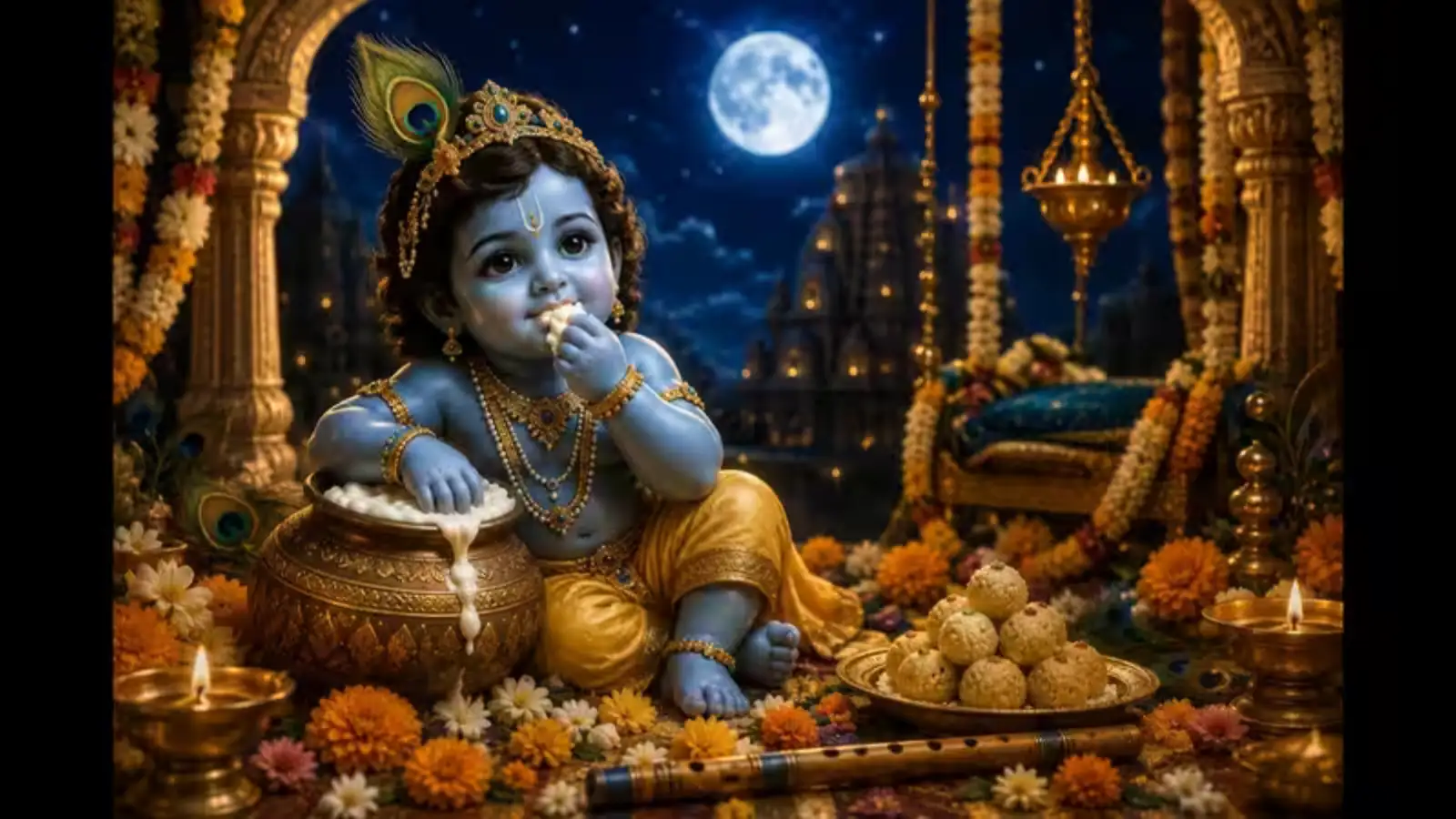
For many devotees, the fast is not simply about avoiding food. It is also considered a day of spiritual discipline, self-control and devotion.
They can participate in Janmashtami celebrations through prayers, chanting, temple visits and other devotional activities without undertaking a strict fast.
Instead, expectant mothers can observe the spiritual aspects of Janmashtami through prayer, meditation and puja while following their regular dietary and medical requirements.
People undergoing treatment or taking regular medication should give priority to their health. In such cases, devotional participation does not have to involve prolonged food or water deprivation.
Heavy, non-vegetarian and tamasic foods are also avoided as part of the observance.
The exact food rules can vary between traditions, so devotees should follow the practices observed by their family or religious community.
During the observance, followers traditionally try to:
This practice is rooted in traditional beliefs about maintaining a positive and spiritually uplifting atmosphere during worship.
A pure ghee diya is traditionally lit during the worship, followed by devotional prayers and aarti.
For healthy devotees, following traditional dietary and behavioural practices can make the fast a meaningful part of the Janmashtami celebration.
Janmashtami 2026 : When Is the Festival?
Sri Krishna Janmashtami will be observed on September 4, 2026, according to the Vedic calendar. Devotees traditionally observe a fast during the day and perform the main worship around midnight, the believed birth time of Lord Krishna.For many devotees, the fast is not simply about avoiding food. It is also considered a day of spiritual discipline, self-control and devotion.
Who Should Avoid the Janmashtami Fast ?
Fasting can place additional physical stress on the body, particularly when food or water is restricted for several hours. People with certain health or physical conditions should therefore avoid rigorous fasting.1. Elderly People
Older adults who experience physical weakness, low energy or other age-related health concerns should be cautious about prolonged fasting. Going without adequate food or fluids can affect energy levels and overall well-being.They can participate in Janmashtami celebrations through prayers, chanting, temple visits and other devotional activities without undertaking a strict fast.
2. Pregnant Women
Pregnant women should avoid rigorous or nirjala (waterless) fasting. Pregnancy increases the body's nutritional and hydration requirements, and prolonged restriction of food and water may not be appropriate for the mother or developing baby.Instead, expectant mothers can observe the spiritual aspects of Janmashtami through prayer, meditation and puja while following their regular dietary and medical requirements.
3. People With Serious Health Conditions
Those living with conditions such as diabetes, heart problems or significant blood-pressure fluctuations should not undertake a strict fast without medical guidance.People undergoing treatment or taking regular medication should give priority to their health. In such cases, devotional participation does not have to involve prolonged food or water deprivation.
Janmashtami Fasting Rules for Devotees
Those who are physically fit and choose to fast traditionally follow certain dietary and behavioural restrictions throughout the day.Avoid Grains and Cereals
Traditional Janmashtami fasting generally excludes grains and cereals, including rice, wheat and lentils. Devotees instead choose fasting-friendly foods and ingredients that are considered suitable for vrat.Heavy, non-vegetarian and tamasic foods are also avoided as part of the observance.
Follow a Sattvic Diet
The emphasis during the fast is on simple and light foods. Depending on family and regional traditions, devotees may consume suitable fruits, milk, nuts and other vrat-friendly preparations.The exact food rules can vary between traditions, so devotees should follow the practices observed by their family or religious community.
Maintain Mental and Behavioural Discipline
Janmashtami fasting is traditionally associated with more than dietary restrictions. Devotees are encouraged to maintain purity in thoughts, words and actions.During the observance, followers traditionally try to:
Control anger and negative emotions
- Avoid arguments and unnecessary conflicts
- Speak truthfully
- Practise self-restraint
- Maintain celibacy
- Spend time in prayer, chanting or meditation
Why Black Clothes Are Traditionally Avoided
Some traditional practices advise devotees to avoid wearing black clothes during Janmashtami puja . Instead, bright and auspicious colours are often preferred for the festive occasion.You may also like
- The Perils of Vengeance: The Mythological Tale of Maharishi Pippalada and Lord Shiva's Third Eye
- The Divine Legend of Garuda: How the Bringer of Heavenly Nectar Became Lord Vishnu's Eternal Vehicle
- Sri Krishna Janmashtami 2026 Fasting Rules: Who Should Avoid Fasting and Essential Guidelines to Follow
- Janmashtami 2026: Follow These 4 Powerful Steps to Invite Prosperity and Blessings Into Your Home
- Peepal Tree Worship Guide: Best Days to Ward Off Saturn's Sade Sati, Pitru Dosh, and Please Ancestors
This practice is rooted in traditional beliefs about maintaining a positive and spiritually uplifting atmosphere during worship.
Janmashtami Midnight Puja and Offerings
The main Janmashtami worship is traditionally performed around midnight, when devotees celebrate the birth of Lord Krishna. The idol of Laddu Gopal is ceremonially bathed and decorated before devotees perform the puja and aarti.A pure ghee diya is traditionally lit during the worship, followed by devotional prayers and aarti.
What Is Offered to Lord Krishna?
Food offerings, or bhog, are an important part of Janmashtami celebrations. Popular traditional offerings include:- Makhan-Mishri – butter combined with sugar candy
- Dhaniya Panjiri
- Seasonal sweets
- Other vrat-friendly preparations
Why Tulsi Leaves Are Important
Tulsi leaves hold a special place in Vaishnav traditions and are traditionally offered to Lord Krishna along with bhog. Devotees consider Tulsi an essential part of Krishna worship and believe that offering it with bhog brings divine grace and spiritual blessings.Balance Devotion With Health
The Sri Krishna Janmashtami 2026 fasting rules are ultimately rooted in devotion and discipline, but fasting should not come at the cost of one's health. People who are elderly, pregnant or dealing with significant health conditions can still participate wholeheartedly through prayers, chanting and worship without undertaking a rigorous fast.For healthy devotees, following traditional dietary and behavioural practices can make the fast a meaningful part of the Janmashtami celebration.






Loving Newspoint? Download the app now
